
Introduction
Pike fishing in Alaska offers anglers an exhilarating experience amidst some of the most stunning and remote landscapes on earth. Known for their ferocity and size, pike are a sought-after species for both novice and seasoned fishers. In this comprehensive guide, we will explore how to fish for pike in Alaska, covering everything from equipment and techniques to regulations and locations. Whether you’re planning a trip to the Last Frontier or simply curious about this exciting angling opportunity, this article is your definitive resource. For more detail, see official guidance.
Understanding Pike Behaviour
Pike, known scientifically as Esox lucius, are predatory fish often found in northern freshwater bodies. They are agile hunters with a voracious appetite, preying mainly on smaller fish. Understanding their behaviour is crucial for successful fishing. Pike are ambush predators, often lurking in vegetation or submerged structures to surprise their prey. They are most active during twilight hours, making early morning and late afternoon prime times for fishing. For more detail, see further information.
Essential Gear for Pike Fishing
Rods and Reels. For more detail, see detailed advice.
When fishing for pike in Alaska, a medium-heavy rod paired with a robust reel is recommended. Spinning reels are popular due to their versatility and ease of use. Ensure your gear can handle the pike’s strength and size, as they can grow to impressive lengths, sometimes exceeding four feet. For more detail, see planning resources.
Lures and Baits. For more detail, see local insights.
Pike are notorious for their aggressive strikes, making them ideal targets for a variety of lures. Spoons, spinnerbaits, and jerkbaits are particularly effective. Consider using lures that mimic the natural prey of pike in the area you’re fishing. Live bait, such as minnows or smelt, can also be used to entice these predators.
For those planning to fish for other species, you might want to check out the best salmon hooks for solid hook-ups in Alaska.
Top Locations for Pike Fishing in Alaska
Minto Flats
Minto Flats is renowned for its abundant pike population. Located approximately 35 miles west of Fairbanks, it offers anglers a chance to catch trophy-sized pike in a stunning wilderness setting. The shallow waters and extensive weed beds create perfect conditions for pike to thrive.
Innoko River
The Innoko River is another prime location, particularly known for its large pike. This remote river system provides an authentic Alaskan fishing experience, with opportunities to explore its tributaries and backwaters.
Susitna River
Closer to Anchorage, the Susitna River offers convenient access and a healthy population of pike. The river’s back channels and sloughs are ideal spots for targeting these fish.
Techniques for Successful Pike Fishing
Casting and Retrieving
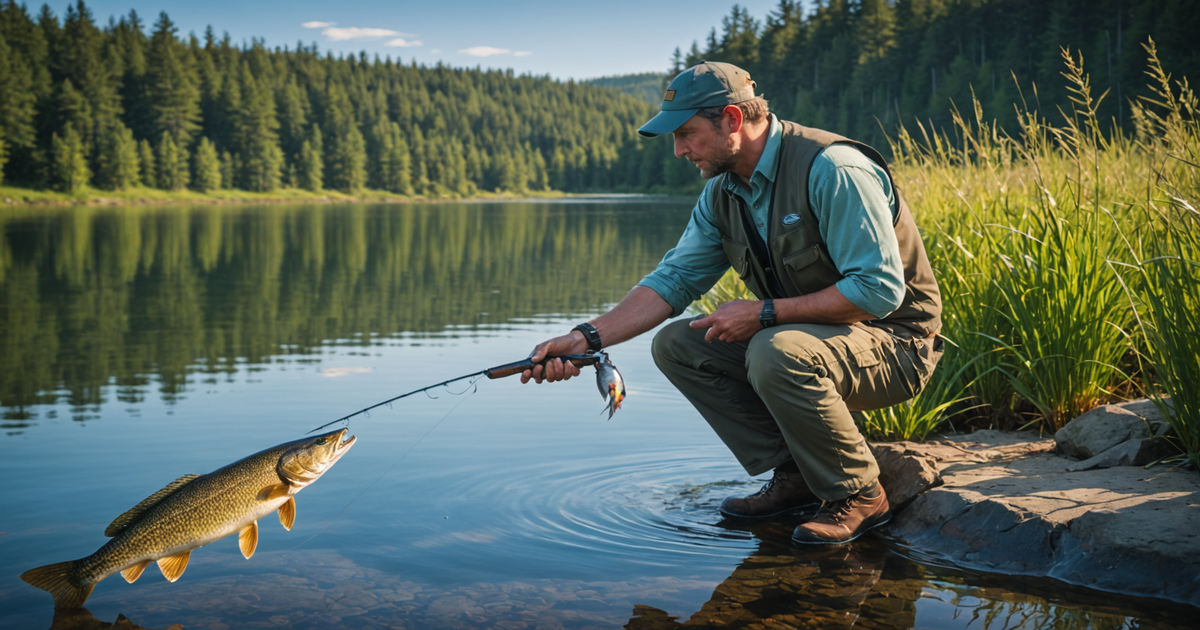
Casting and retrieving lures is a fundamental technique in pike fishing. Experiment with different retrieval speeds and patterns to provoke a strike. A stop-and-go retrieve can be particularly effective, mimicking the erratic movement of an injured fish.
Fly Fishing
Fly fishing for pike is gaining popularity, offering a unique challenge and a rewarding experience. Large streamers and fly patterns that resemble small fish or frogs are recommended. Ensure you have a sturdy fly rod and a reel with a good drag system to handle the pike’s aggressive runs.
Ice Fishing
For a different adventure, consider full-day ice fishing trips. Pike remain active under the ice, and tip-ups with live bait can yield impressive catches. Ensure you are equipped with proper ice fishing gear and safety equipment.
Regulations and Conservation
Before embarking on your pike fishing adventure, it is vital to understand the local fishing regulations to ensure compliance and sustainability. The Alaska Department of Fish and Game provides detailed information on licensing, catch limits, and seasonal restrictions. Practising catch-and-release where possible helps maintain healthy fish populations and ensures future generations can enjoy this thrilling sport.
Conclusion
Fishing for pike in Alaska is an unforgettable experience that combines the thrill of the catch with the beauty of the wilderness. By understanding pike behaviour, selecting the right gear, and following local regulations, you can enhance your chances of a successful trip. Whether you’re casting a line in the serene Minto Flats or braving the icy waters of the Innoko River, Alaska’s pike fishing promises an adventure like no other.
FAQ
What time of year is best for pike fishing in Alaska?
Pike fishing is productive throughout the year, though late spring to early autumn is often considered the best time due to milder weather and active fish.
Do I need a fishing licence to fish for pike in Alaska?
Yes, a valid Alaska sport fishing licence is required. You can obtain one through the Alaska Department of Fish and Game.
What is the best bait for pike?
Live bait such as minnows or smelt, as well as artificial lures like spoons and spinnerbaits, are highly effective for pike.
Can I fly fish for pike in Alaska?
Absolutely. Fly fishing for pike is a popular method, and using large streamers can yield excellent results.
Are there guided pike fishing tours available in Alaska?
Yes, there are numerous guided fishing tours available, offering expert advice and equipment to enhance your fishing experience.
How can I ensure sustainable fishing practices?
Practise catch-and-release where possible, adhere to local regulations, and be mindful of the environment to support sustainable fishing practices.
What safety precautions should I take when pike fishing?
Always wear a life jacket when fishing from a boat, be aware of weather conditions, and ensure you have the appropriate safety equipment, especially when ice fishing.