
Introduction
Ice fishing in Alaska is more than a pastime; it’s a thrilling adventure that combines the serene beauty of the frozen wilderness with the exhilarating challenge of catching fish beneath the ice. To fully enjoy this experience, having the right equipment is essential, and no tool is more crucial than the ice fishing rod. In this guide, we’ll explore the different types of ice fishing rods best suited for the unique conditions of Alaskan ice fishing, helping you choose the perfect rod for your next fishing adventure. For more detail, see official guidance.
Understanding Ice Fishing Rods
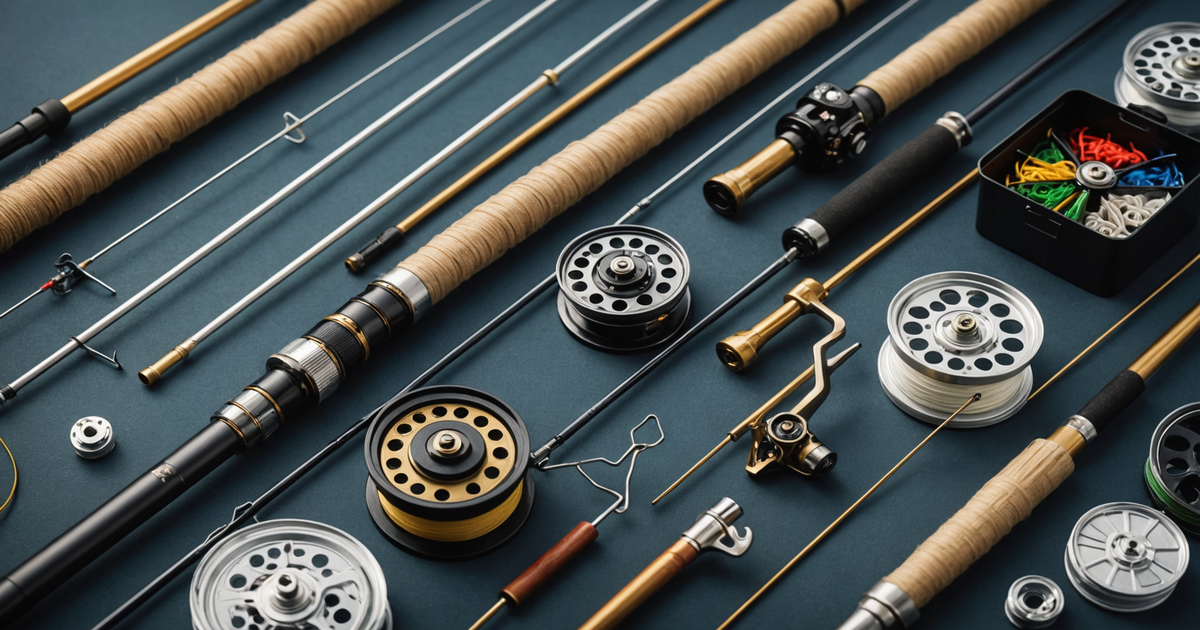
Ice fishing rods are specifically designed to withstand the harsh conditions of ice fishing. They are generally shorter than regular fishing rods, allowing for greater control in the confined space of an ice shelter. The key components of an ice fishing rod include the rod blank, guides, handle, and reel seat. Each of these elements plays a vital role in the rod’s performance, especially in the extreme cold of Alaska. For more detail, see further information.
Types of Ice Fishing Rods. For more detail, see detailed advice.
-
Ultralight Rods
Ultralight rods are perfect for targeting small species such as panfish and perch. Their sensitivity allows anglers to feel the slightest nibble, which is crucial under icy conditions. The lightweight nature of these rods makes them easy to handle, even for beginners. For more detail, see planning resources. -
Medium Rods
Medium rods are versatile and can be used for a variety of fish species, including walleye and pike. These rods offer a good balance between sensitivity and strength, making them ideal for intermediate anglers looking to expand their ice fishing skills. For more detail, see local insights. -
Heavy Rods
Heavy rods are designed for large game fish, such as lake trout and northern pike. These rods provide the strength and backbone needed to handle powerful fish that put up a formidable fight under the ice.
Key Features to Consider
When selecting an ice fishing rod, several features should be considered to ensure it meets your needs:
- Length: Ice fishing rods typically range from 24 to 36 inches, with longer rods offering better leverage and shorter rods providing increased control.
- Power and Action: The power of a rod refers to its strength, while the action describes how much of the rod bends under pressure. Fast action rods bend near the tip, providing greater sensitivity, while slow action rods bend throughout, offering more flexibility.
- Material: Rods made from graphite or fibreglass are popular for their durability and performance in cold weather.
Choosing the Right Ice Fishing Rod for Alaska
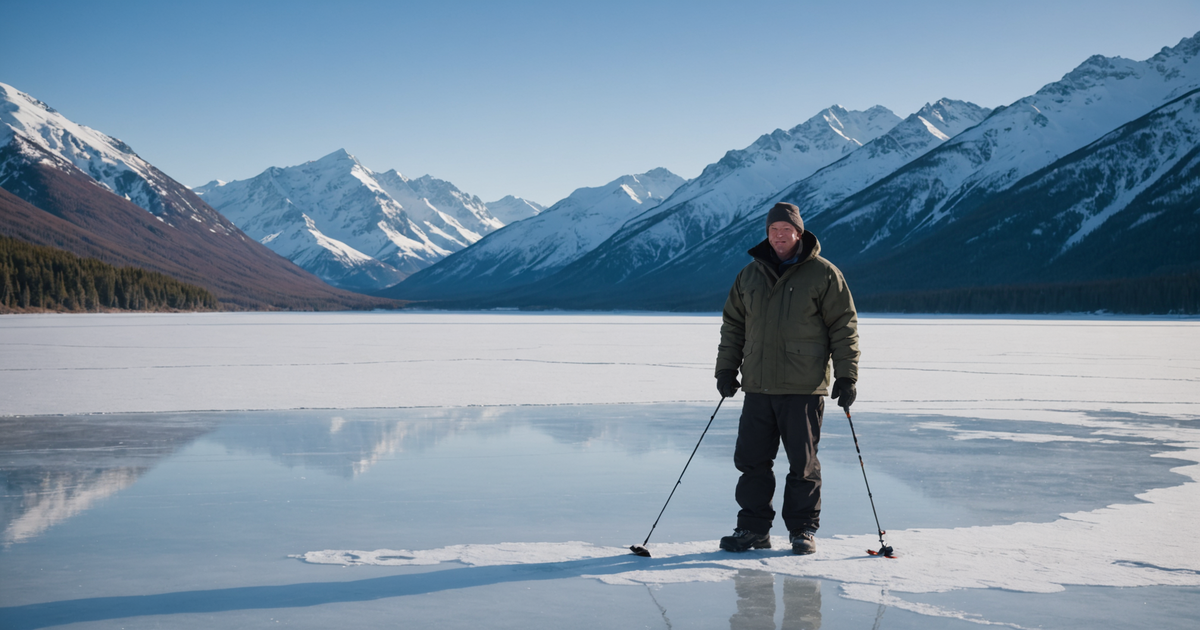
Alaska’s icy waters demand more from your equipment. Selecting the right ice fishing rod involves considering the specific conditions of your fishing location and the species you aim to catch.
Conditions of Alaskan Ice Fishing
Alaskan winters are notoriously harsh, with temperatures often plummeting well below freezing. This environment requires rods that can endure extreme cold without becoming brittle. Graphite rods are a popular choice due to their sensitivity and resilience in low temperatures.
Target Species
In Alaska, your target species might range from Arctic char to burbot. Each species demands different tactics and, therefore, different rods. For instance, if you’re aiming for larger fish like lake trout, a heavy rod with a robust backbone is essential.
Recommendations for Alaskan Ice Fishing Rods
For those new to ice fishing in Alaska, starting with a medium rod offers versatility and a good introduction to the sport. As you gain experience, you can expand your collection to include ultralight and heavy rods for specific fishing scenarios.
Conclusion
Ice fishing in Alaska offers a unique blend of challenge and reward, where the right gear can make all the difference. Selecting the perfect ice fishing rod involves understanding the environmental conditions and the type of fish you’re pursuing. Whether you’re a novice or a seasoned angler, equipping yourself with the right rod will enhance your experience and increase your chances of success. For more detailed insights into planning your next fishing trip, visit Alaska Adventure Guides.
FAQ
What is the best ice fishing rod for beginners?
A medium rod is often recommended for beginners due to its versatility and balance between sensitivity and strength, making it suitable for a variety of fish species.
How do I maintain my ice fishing rod in cold conditions?
Regularly inspect your rod for ice build-up on the guides and reel. Use a soft cloth to clean and dry the rod after each use to prevent moisture damage.
Can I use a regular fishing rod for ice fishing?
While technically possible, regular fishing rods are not ideal for ice fishing as they are longer and less suited to the confined spaces and specific demands of ice fishing.
What are the legal requirements for ice fishing in Alaska?
Anglers must adhere to state regulations, including obtaining a valid fishing licence. For specific rules and guidelines, visit the Alaska Department of Fish and Game.
How do I choose the right length for an ice fishing rod?
The right length depends on your fishing environment and personal preference. Shorter rods (24-30 inches) offer better control, while longer rods (30-36 inches) provide more leverage.
Are there specific rods for different fish species in Alaska?
Yes, different species require different rods. For example, ultralight rods are best for small fish, while heavy rods are necessary for larger game fish like lake trout.
Where can I find more information on ice fishing in Alaska?
For comprehensive guides and expert tips on ice fishing in Alaska, check out Alaska Adventure Guides.
What should I consider when choosing a rod for extreme cold?
Opt for rods made from materials like graphite, which maintain their performance in extreme cold, and ensure the guides and reel seat are designed to prevent ice build-up.