
Ice Fishing Equipment | Alaska Adventures. For more detail, see official guidance.
Introduction
Ice fishing in Alaska is not merely a hobby; it’s an adventure that draws anglers from around the globe to experience the unique thrill of fishing in the harsh, yet stunningly beautiful, Alaskan wilderness. Whether you’re a seasoned angler or a curious novice, having the right ice fishing equipment is essential for a successful and safe expedition. In this comprehensive guide, we will delve into the essential gear needed to tackle the icy waters of Alaska, ensuring you’re well-prepared for your next fishing trip. For more detail, see further information.
Essential Ice Fishing Equipment
Ice Augers. For more detail, see detailed advice.
The first step to a successful ice fishing trip is gaining access to the water below the ice. An ice auger is indispensable for drilling holes through the thick ice. There are two main types: manual and power augers. Manual augers are lightweight and perfect for smaller tasks, while power augers, either gas or electric, are ideal for quickly cutting through thicker ice. When choosing an auger, consider the typical ice thickness in your fishing location and your personal strength and endurance. For more detail, see planning resources.
Ice Fishing Rods and Reels. For more detail, see local insights.
Ice fishing rods are shorter and more sensitive than traditional fishing rods, allowing for better control and detection of subtle bites. Pair your rod with a reliable reel; spinning reels are popular due to their versatility and ease of use. It’s also crucial to select the right fishing line, typically a monofilament or fluorocarbon line, which remains supple in cold temperatures and is less visible in clear water.
Ice Shelters and Clothing
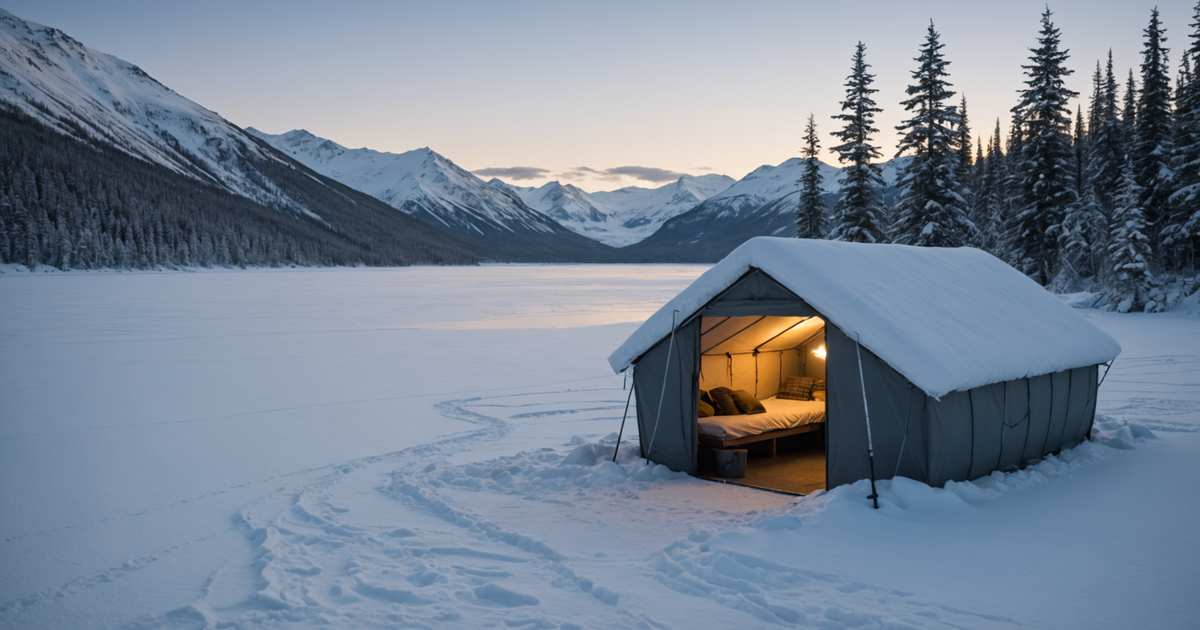
An ice shelter provides protection from the harsh elements, allowing you to fish comfortably for extended periods. Shelters range from portable pop-up tents to more permanent structures. Insulated shelters are recommended for extreme cold. Equally important is wearing appropriate clothing. Layering is key: start with moisture-wicking base layers, followed by insulating mid-layers, and finish with a waterproof and windproof outer layer. Don’t forget thermal gloves, hats, and boots to keep extremities warm.
Electronics: Fish Finders and GPS
Modern ice fishing often involves the use of electronics to locate fish and navigate safely. A fish finder helps identify fish beneath the ice, while a GPS device ensures you can safely explore remote locations and easily return to your starting point. These tools are particularly useful in the expansive Alaskan wilderness, where conditions can change rapidly.
Ice Fishing Tackle
Your tackle selection should be suited to the species you’re targeting. Common species include trout, salmon, and Arctic grayling. Small jigs and lures that mimic local prey are effective. It’s beneficial to carry a variety of colours and sizes to adapt to changing conditions and fish preferences. For tips on effective lures, explore our best plug fishing lures guide.
Safety Equipment
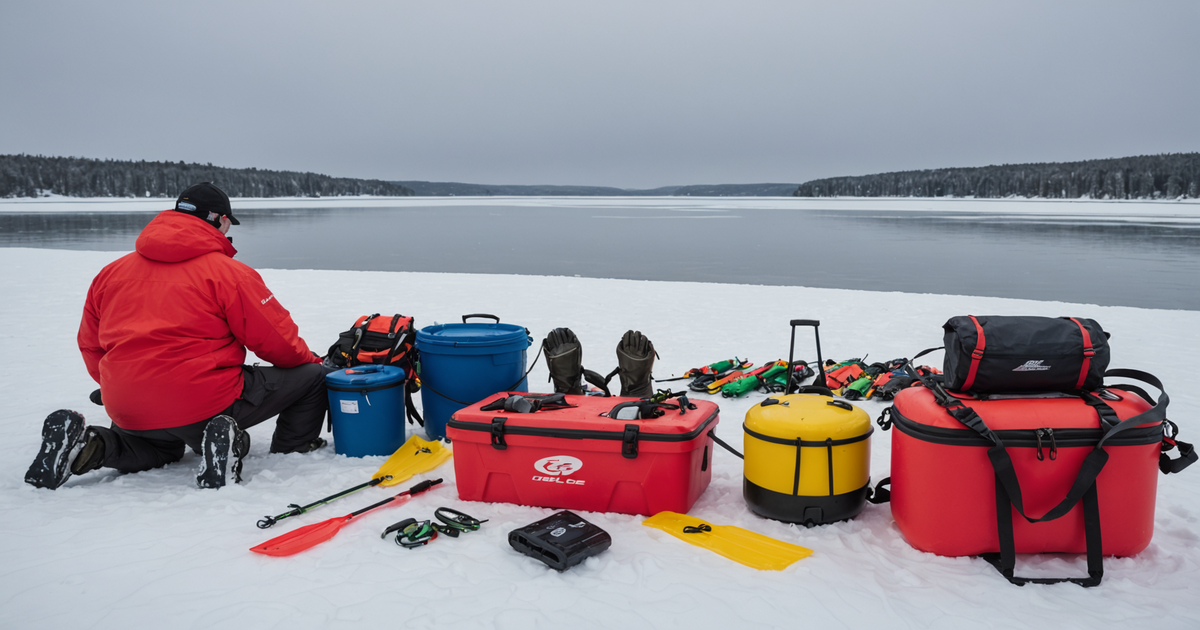
Safety cannot be overstated when ice fishing. Essential safety gear includes ice picks (to help pull yourself out of the water if you fall in), a life jacket, and a rope. Always check ice thickness before venturing out; a minimum of four inches is recommended for walking, and more for vehicles. For more safety tips, refer to NOAA’s safety guidelines.
The Unique Challenges of Ice Fishing in Alaska
Alaska presents unique challenges due to its extreme weather and remote locations. It’s crucial to be prepared not only with the right equipment but also with knowledge of local conditions and regulations. The Alaska Department of Fish and Game provides detailed information on fishing regulations and species conservation efforts, ensuring sustainable fishing practices.
Planning Your Alaska Ice Fishing Adventure
Planning is paramount for a successful ice fishing trip in Alaska. Begin by researching potential fishing spots, such as those highlighted by Fish Alaska Magazine. Consider guided tours, like those offered at the Historic Chulitna River Lodge, to enhance your experience with local expertise.
For more guidance on planning and equipment, visit our ice fishing articles and explore the diverse recreational activities available in Alaska.
Conclusion
Ice fishing in Alaska is an unparalleled experience that requires careful preparation and the right equipment. With the proper gear and a respect for the natural environment, anglers can enjoy a rewarding adventure in one of the most pristine wilderness areas on Earth. Remember, safety and adherence to regulations are as crucial as the thrill of the catch.
FAQ
What is the best time of year for ice fishing in Alaska?
The ice fishing season in Alaska typically runs from late November to March, with January and February being the peak months. Always check local conditions and regulations on the Alaska Department of Fish and Game website.
How thick should the ice be for safe fishing?
A minimum of four inches of clear, solid ice is recommended for walking. For snowmobiles or ATVs, at least five to seven inches is advised. Always check local ice conditions before heading out.
What species can I catch while ice fishing in Alaska?
Common species include trout, salmon, Arctic char, and Arctic grayling. The Alaska Arctic Grayling Fishing Spots guide provides valuable insights into targeting these species.
Do I need a fishing licence to ice fish in Alaska?
Yes, a fishing licence is required for all anglers over the age of 16. Licences can be purchased through the Alaska Department of Fish and Game.
What should I wear for ice fishing?
Layered clothing is essential. Start with a moisture-wicking base layer, add an insulating mid-layer, and finish with a waterproof and windproof outer layer. Thermal gloves and boots are also recommended.
Are ice fishing guides available in Alaska?
Yes, there are many guided fishing tours available that provide equipment and local expertise, ensuring a safe and enjoyable experience.
How can I ensure my safety while ice fishing in remote areas?
Always carry safety equipment such as ice picks, a life jacket, and a GPS device. Inform someone of your plans and expected return time, and check weather conditions via NOAA before setting out.
Can I camp overnight while ice fishing in Alaska?
Yes, with the right equipment, overnight ice fishing trips are possible. Ensure you have a well-insulated ice shelter and appropriate gear to withstand the extreme cold. Always check local regulations and weather conditions before planning an overnight stay.