
Introduction
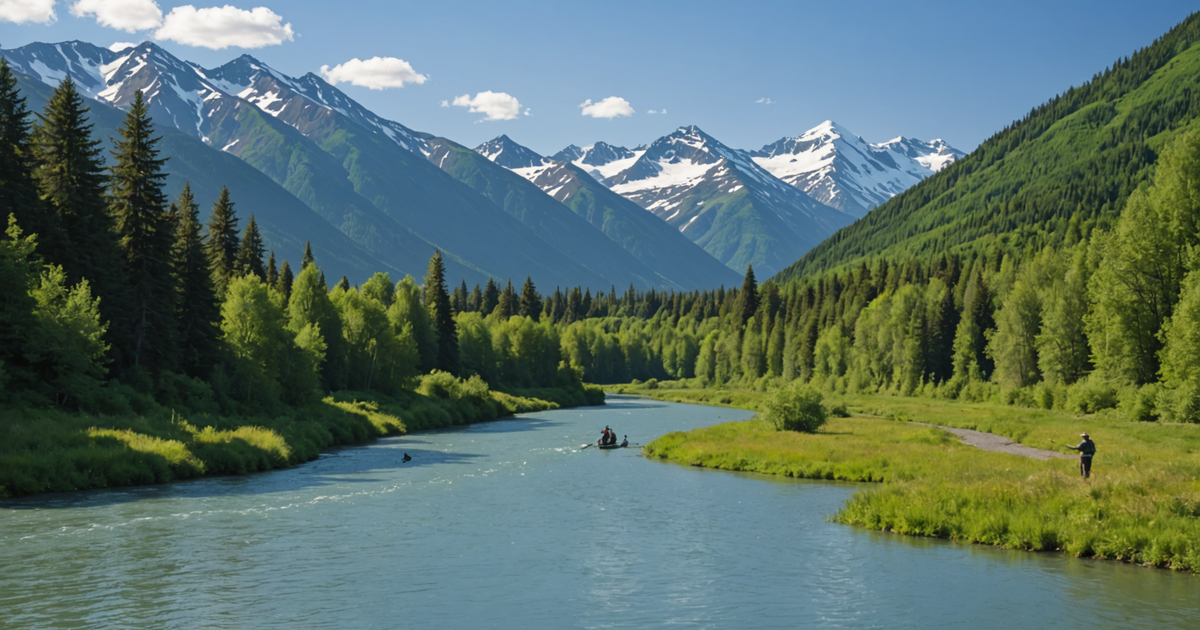
Fishing in Alaska is more than just a pastime; it’s an expedition into one of the world’s last great wildernesses. The Kenai Peninsula, renowned for its rich fishing opportunities, is a haven for anglers seeking to catch iconic species like salmon and trout. To make the most of your fishing trip, understanding the Alaska fishing report for Kenai is crucial. This report provides insights into run timings, current conditions, and much more, allowing you to plan your excursion with precision. For more detail, see official guidance.
Understanding the Alaska Fishing Report Kenai
Key Components of the Report. For more detail, see further information.
The Alaska fishing report for Kenai is a comprehensive document that offers a wealth of information. It includes details about fish species, run timings, weather conditions, and water levels. Familiarising yourself with these elements will enable you to optimise your fishing experience. For more detail, see detailed advice.
Fish Species and Run Timings. For more detail, see planning resources.
One of the primary aspects of the report is the information on fish species and their run timings. The Kenai River is famous for its salmon runs, which occur at different times throughout the year. Understanding these timings is essential for targeting specific species. For instance, king salmon runs typically occur from mid-May to late July, while silver salmon are more prevalent from late July through October. For more detail, see local insights.
For a deeper dive into the best times for salmon fishing, explore our guide on when is Alaska salmon season really.
Weather and Water Conditions
Weather and water conditions are critical factors that can significantly impact your fishing success. The report provides updates on weather patterns, which can influence fish behaviour. High water levels, for example, might require different strategies or gear adjustments.
For more insights on how to adapt to changing conditions, check out tips for fishing in high water.
How to Read and Interpret the Report
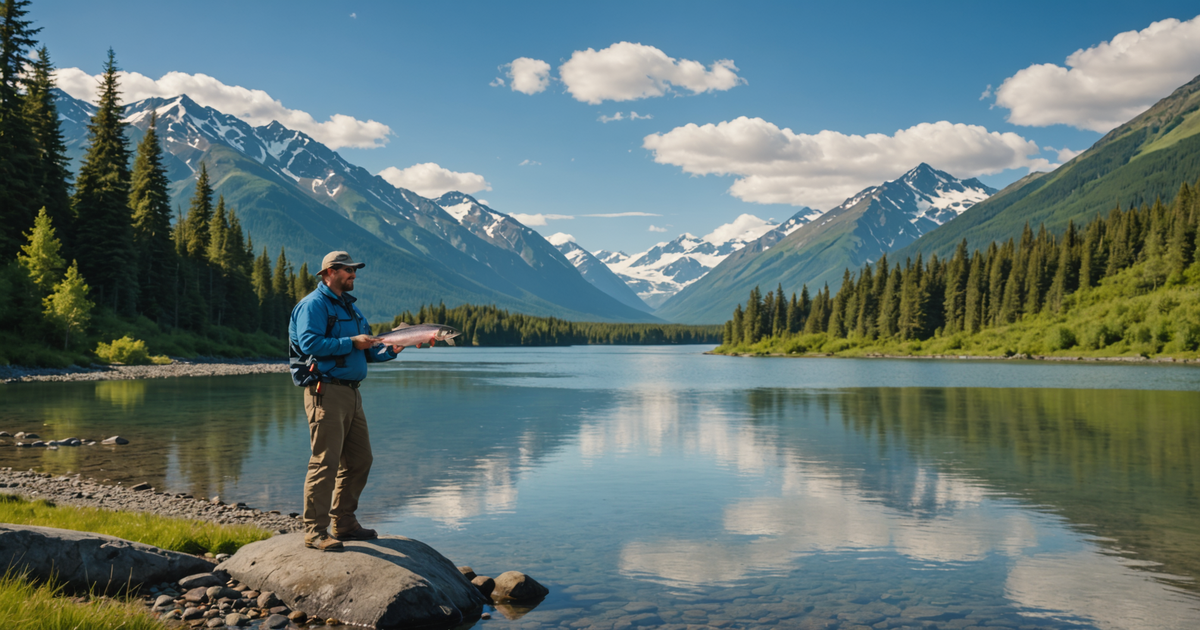
Reading the Alaska fishing report requires a keen eye for detail. Start by identifying the sections relevant to your fishing plans. Pay attention to the following:
- Run Status: This indicates the current status of fish runs and their expected peaks.
- Fishing Tips: The report may offer recommendations on techniques or gear suited to current conditions.
- Regulations: Stay informed about any changes in fishing regulations to ensure compliance and conservation.
Utilising Additional Resources
Beyond the report itself, leveraging additional resources can enhance your understanding. Websites like Travel Alaska provide valuable planning tips and regional insights. Moreover, Alaska’s Department of Fish and Game offers extensive resources on fishing regulations, which are crucial for legal and sustainable fishing practices.
Planning Your Fishing Trip
Selecting the Right Gear
Choosing the appropriate gear is pivotal for a successful fishing outing. The Kenai River’s diverse conditions demand versatile equipment. For beginner anglers, our Kasilof River fishing guide provides an excellent starting point for understanding gear requirements and techniques.
For more advanced gear recommendations, our fishing gear category is a treasure trove of information to fine-tune your kit.
Guided vs. Self-Guided Trips
Deciding between a guided and a self-guided trip depends on your experience and preferences. Guided trips offer the advantage of local expertise and access to prime fishing spots. For those who prefer the thrill of exploration, a self-guided adventure might be more appealing. Screamin’ Reels provides excellent insights into planning both types of trips.
Exploring the Kenai Peninsula
The Kenai Peninsula is not just about fishing; it offers a plethora of recreational activities to enrich your Alaskan experience. From hiking to wildlife viewing, the region is a paradise for outdoor enthusiasts.
Conclusion
Understanding the Alaska fishing report for Kenai is essential for any angler aiming to maximise their fishing trip. By familiarising yourself with run timings, conditions, and regulations, you can ensure a rewarding and compliant fishing experience. Whether you’re a seasoned angler or a newcomer, the Kenai Peninsula offers unparalleled opportunities for adventure.
FAQ
What is the best time of year to fish in the Kenai River?
The optimal time varies depending on the species you’re targeting. King salmon are best fished between mid-May and late July, while silver salmon run from late July through October.
How can I stay updated with current fishing regulations?
Regularly checking the Alaska Department of Fish and Game website is the best way to stay informed about regulations and any changes.
Are guided fishing trips worth it?
Guided trips are highly recommended for those unfamiliar with the area, as they offer local expertise and access to the best fishing spots.
What should I pack for a fishing trip to Kenai?
Pack versatile clothing for changing weather, essential fishing gear, and any personal items you might need. For more detailed gear advice, refer to our fishing equipment section.
Can I fish without a guide in the Kenai Peninsula?
Yes, self-guided fishing is possible and can be rewarding if you’re well-prepared and familiar with the area.
How do I interpret run status in the fishing report?
Run status provides updates on fish migration patterns and expected peaks, helping you plan your trip for optimal catch rates.
What other activities can I do in the Kenai Peninsula?
Beyond fishing, the Kenai Peninsula offers hiking, wildlife viewing, and scenic tours. Explore our Kenai Peninsula guide for more activities.
Is it necessary to book fishing trips in advance?
For guided trips, advance booking is recommended due to high demand, especially during peak fishing seasons.