
Introduction
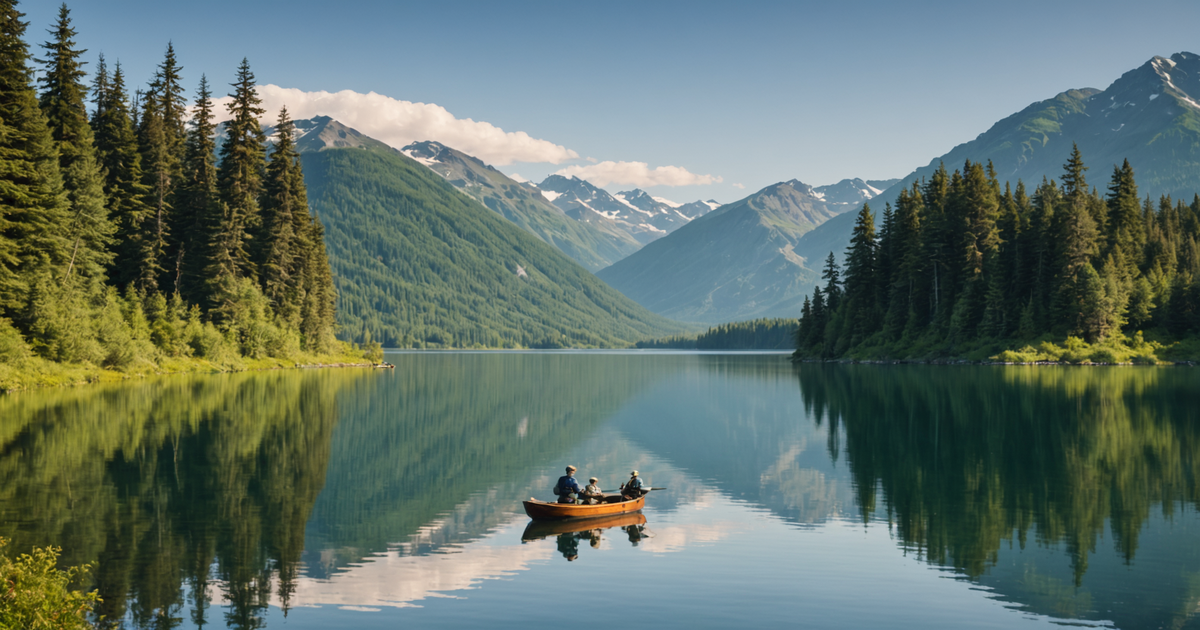
Alaska, the land of untamed wilderness, is not only famous for its breathtaking landscapes but also for its abundant fishing opportunities. Among these, Alaska pike fishing stands out as an exhilarating pursuit for anglers of all levels. The northern pike, known for its aggressive nature and formidable size, thrives in the state’s pristine lakes and rivers. For those looking to experience the thrill of reeling in these voracious predators, guided trips offer an unparalleled opportunity to explore the best fishing spots Alaska has to offer. For more detail, see official guidance.
The Allure of Alaska Pike Fishing
Understanding Northern Pike. For more detail, see further information.
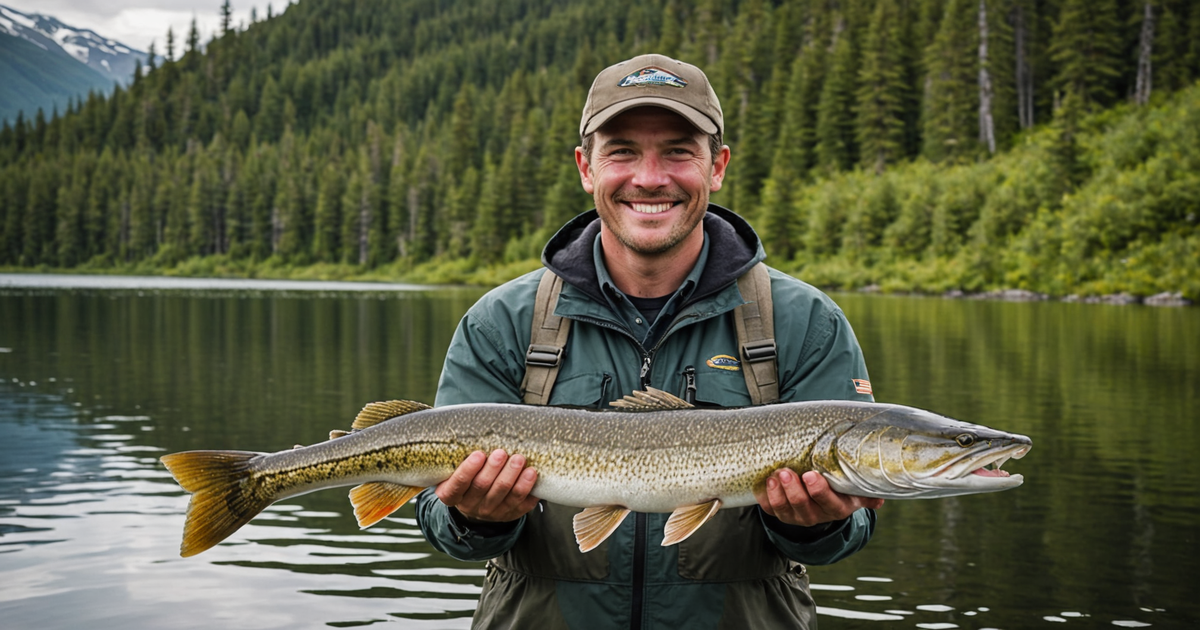
Northern pike are a freshwater fish species renowned for their predatory instincts and impressive size. These fish are characterised by their elongated bodies, sharp teeth, and distinctive greenish hue with light spots. In Alaska, pike can grow to remarkable sizes, often exceeding 40 inches in length and weighing over 20 pounds. Their aggressive behaviour and powerful strikes make them a sought-after target for anglers. For more detail, see detailed advice.
Prime Locations for Pike Fishing. For more detail, see planning resources.
Alaska boasts numerous lakes and rivers that are prime habitats for northern pike. The state’s interior and remote regions are particularly favoured for pike fishing. The Minto Flats, Innoko National Wildlife Refuge, and the Yukon River are just a few of the renowned locations where anglers can expect to encounter substantial pike populations. Each of these locations offers unique fishing experiences, from casting in vast river systems to navigating serene lakes. For more detail, see local insights.
The Role of Guided Trips
Embarking on a guided pike fishing trip in Alaska provides numerous advantages. Experienced guides not only lead anglers to the best fishing spots but also offer invaluable insights into local fishing techniques and safety precautions. Moreover, guided trips often include necessary equipment, ensuring that even novice anglers can enjoy a successful outing. For those interested in DIY fishing adventures, guides can also offer advice on planning self-guided excursions.
Preparing for Your Pike Fishing Adventure
Essential Fishing Gear
When preparing for a pike fishing trip, having the right gear is crucial. Sturdy rods and reels capable of handling large fish, along with robust fishing lines, are essential. Additionally, using the appropriate lures, such as spoons, jerkbaits, and soft plastics, can significantly increase your chances of success. For more detailed information on fishing equipment, consider consulting experienced anglers or local fishing shops.
Understanding Fishing Regulations
Before setting out, it’s important to familiarise yourself with Alaska’s fishing regulations. The Alaska Department of Fish and Game provides comprehensive guidelines on fishing seasons, licensing requirements, and catch limits. Adhering to these regulations not only ensures sustainable fishing practices but also enhances the overall fishing experience.
Best Times for Pike Fishing
While pike can be caught year-round, certain times of the year offer better opportunities. The spring and early summer months are generally considered the best times for pike fishing in Alaska. During this period, pike are more active and tend to be found in shallower waters. For those interested in fishing during the winter, ice fishing for northern pike can be an exciting alternative.
Enhancing Your Alaskan Experience
Combining Fishing with Other Activities
An Alaskan fishing trip offers the perfect opportunity to explore other outdoor activities. From dog sledding tours to hiking and wildlife viewing, Alaska’s natural beauty provides endless possibilities. Engaging in these activities not only enriches your experience but also offers a well-rounded adventure in the Last Frontier.
Savouring Local Cuisine
After a day of fishing, indulging in Alaska’s culinary delights is a must. The state is renowned for its seafood, particularly salmon and halibut. Visiting local eateries or participating in a culinary tour can be a delightful way to sample the region’s fresh and flavourful offerings.
Conclusion
Alaska pike fishing is an exhilarating experience that combines the thrill of angling with the breathtaking beauty of one of the world’s most pristine environments. Whether you are a seasoned angler or a beginner, guided trips offer an exceptional opportunity to explore Alaska’s best fishing spots and create unforgettable memories. With the right preparation, respect for local regulations, and an adventurous spirit, your Alaskan fishing adventure promises to be a rewarding and enriching experience.
FAQ
What is the best time of year for pike fishing in Alaska?
The best time for pike fishing in Alaska is during the spring and early summer months when pike are more active and found in shallower waters.
Do I need a fishing licence to fish for pike in Alaska?
Yes, a fishing licence is required to fish for pike in Alaska. You can obtain a licence through the Alaska Department of Fish and Game.
Are guided pike fishing trips suitable for beginners?
Yes, guided trips are ideal for beginners as they provide expert guidance, equipment, and access to prime fishing locations, ensuring a successful outing.
What gear do I need for pike fishing?
Essential gear for pike fishing includes sturdy rods and reels, robust fishing lines, and appropriate lures such as spoons and jerkbaits.
Can I fish for pike in Alaska during the winter?
Yes, ice fishing for northern pike is possible during the winter months. It’s a unique experience that can be enjoyed with the right preparation and guidance.
Which locations in Alaska are best for pike fishing?
Prime locations for pike fishing in Alaska include Minto Flats, Innoko National Wildlife Refuge, and the Yukon River, known for their abundant pike populations.
What other activities can I enjoy during a fishing trip to Alaska?
In addition to fishing, you can enjoy various activities such as dog sledding, hiking, wildlife viewing, and exploring local cuisine.
How can I ensure sustainable fishing practices while fishing for pike in Alaska?
Adhering to local fishing regulations, practising catch and release, and respecting the natural environment are key to sustainable fishing practices in Alaska.