
Introduction
Alaska is an angler’s paradise, teeming with pristine waters and a plethora of fish species. Among these, the northern pike stands out as a formidable adversary and a rewarding catch. Known for its ferocious strikes and elusive nature, pike fishing in Alaska requires the right equipment and techniques. Whether you’re a seasoned angler or a novice, understanding the best Alaska pike fishing lures and local tips can significantly enhance your fishing experience. In this blog post, we’ll delve into the intricacies of pike fishing in Alaska, explore the most effective lures, and share insights from local guides to help you land that trophy fish. For more detail, see official guidance.
Understanding Pike Behaviour
Before selecting the best Alaska pike fishing lures, it’s crucial to understand the behaviour of these predatory fish. Pike are known for their aggressive nature, often lurking in weedy areas and ambushing prey with lightning-fast strikes. They are most active during the warmer months but can be caught year-round with the right approach. Understanding their habitat and feeding patterns will aid in choosing the right lures and techniques. For more detail, see further information.
Choosing the Right Lures
Topwater Lures. For more detail, see detailed advice.
Topwater lures are a favourite among pike anglers for their ability to provoke explosive strikes. These lures mimic the movement of injured fish, making them irresistible to pike. Popular choices include buzzbaits and surface poppers, which can be particularly effective during early morning or late evening when pike are feeding near the surface. For more detail, see planning resources.
Spinnerbaits. For more detail, see local insights.
Spinnerbaits are versatile lures that can be used in various conditions. Their spinning blades create vibrations and flashes that attract pike even in murky waters. When selecting spinnerbaits, opt for those with larger blades and bright colours to increase visibility.

Soft Plastics and Jigs
Soft plastics and jigs are excellent for fishing in deeper waters or around structures where pike may be hiding. These lures can be rigged weedless, allowing you to fish in dense vegetation without snagging. For a deeper dive into setting up jigs for pike fishing, consult our comprehensive guide on jig head sizes and setups.
Crankbaits
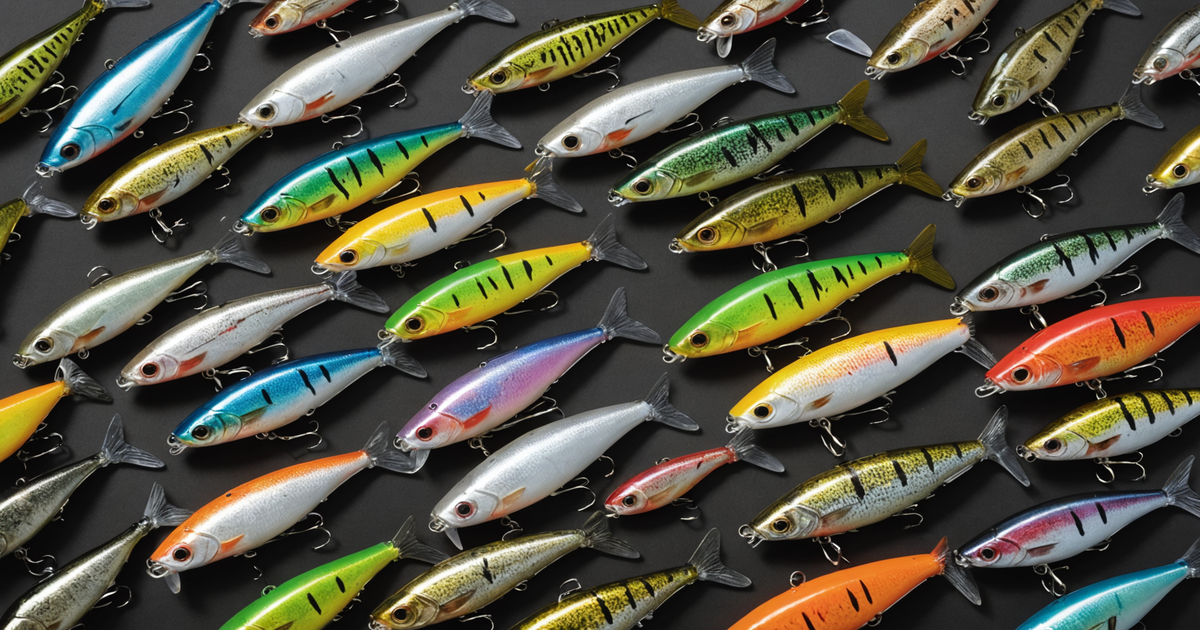
Crankbaits are a staple in any pike angler’s tackle box. They are designed to mimic the appearance and movement of small fish. When selecting crankbaits, consider models that dive to the desired depth and feature natural colours. These lures are particularly effective during the mid-day hours when pike retreat to deeper waters.
Techniques for Success
Casting and Retrieving
When using lures like crankbaits or spinnerbaits, a steady retrieve can be effective. However, varying the speed and incorporating pauses often triggers strikes from curious pike. This technique makes the lure appear more like injured prey, enticing pike to investigate.
Trolling
Trolling is an excellent method for covering large areas and locating active pike. By slowly dragging lures behind a moving boat, anglers can present their baits at various depths. This technique is particularly useful in larger lakes and rivers where pike roam extensively.
Fly Fishing
For those seeking a challenge, fly fishing for pike offers a unique experience. Using large streamers or poppers, anglers can target pike in shallow waters. Mastering this technique requires patience and skill but can be incredibly rewarding. For more insights, explore our articles on fly fishing in Alaska.
Local Tips and Tricks
Local guides are a treasure trove of information when it comes to pike fishing in Alaska. Their years of experience have provided them with invaluable insights into the best fishing spots and techniques. Here are a few tips from local experts:
- Timing is Everything: Early morning and late evening are prime times for pike fishing. During these periods, pike are more active and likely to strike aggressively.
- Weather Matters: Overcast days or slight winds create optimal conditions for pike fishing. These conditions often encourage pike to feed more aggressively.
- Explore Remote Areas: Some of the best pike fishing occurs in remote locations. Consider joining a guided fishing tour to access these prime spots.
Conclusion
Pike fishing in Alaska offers a thrilling adventure for anglers of all skill levels. With the right knowledge and equipment, including effective Alaska pike fishing lures, you can improve your chances of landing a trophy catch. Remember to respect local regulations and the natural environment while enjoying this incredible sport. For more information on fishing regulations in Alaska, visit Alaska Department of Fish and Game.
FAQ
What are the best lures for pike fishing in Alaska?
Topwater lures, spinnerbaits, soft plastics, jigs, and crankbaits are among the best lures for pike fishing in Alaska due to their ability to provoke aggressive strikes from pike.
When is the best time to fish for pike in Alaska?
The best times are early morning and late evening during the warmer months. Pike are more active during these periods, increasing your chances of a successful catch.
Can I fish for pike year-round in Alaska?
Yes, pike can be fished year-round in Alaska. However, the techniques and locations may vary depending on the season and water conditions.
What are some recommended fishing spots for pike in Alaska?
Some of the top spots include remote lakes and rivers that can often be accessed by joining guided tours or exploring with local experts. Check our travel guides for more details.
Are there any regulations I should be aware of when pike fishing in Alaska?
Yes, it’s essential to familiarise yourself with local fishing regulations to ensure compliance. Visit the Alaska Department of Fish and Game for the latest information.
How can I improve my pike fishing skills?
Practise is key. Experimenting with different lures and techniques, and seeking advice from local guides, can significantly improve your skills. Consider reading expert fishing articles for additional tips.
Is fly fishing effective for pike in Alaska?
Absolutely! Fly fishing offers a unique and challenging way to catch pike, especially in shallower waters. Using large streamers or poppers can be highly effective.
What should I bring on a pike fishing trip in Alaska?
Essential items include a variety of lures, durable fishing rods, appropriate clothing, and safety gear. For a comprehensive list, see our fishing equipment guide.