
Introduction
Fishing for northern pike in Alaska is an exhilarating experience, attracting anglers from around the globe eager to tackle these formidable fish in their natural habitat. However, before casting your line, it is imperative to acquaint yourself with the Alaska northern pike fishing regulations. Understanding these rules ensures conservation efforts are adhered to, sustains fish populations, and guarantees a responsible and enjoyable fishing trip. For more detail, see official guidance.
The Importance of Understanding Regulations
Alaska’s diverse ecosystems are home to a wide array of fish species, making it a popular destination for anglers. Northern pike, in particular, are prevalent in the waters of Alaska and can be found in both freshwater lakes and rivers. The state has established specific regulations to manage and preserve fish populations and habitats, which are critical for maintaining the balance of the local ecosystem. For more detail, see further information.
Fishing Licences and Permits. For more detail, see detailed advice.
Before embarking on your fishing expedition, securing the appropriate fishing licence is crucial. The Alaska Department of Fish and Game (ADF&G) offers various licences catering to residents, non-residents, and tourists. Licences can be purchased online or at designated outlets throughout the state. It is essential to have your licence with you at all times while fishing, as spot checks by authorities are common. For more detail, see planning resources.
Catch and Release Guidelines. For more detail, see local insights.
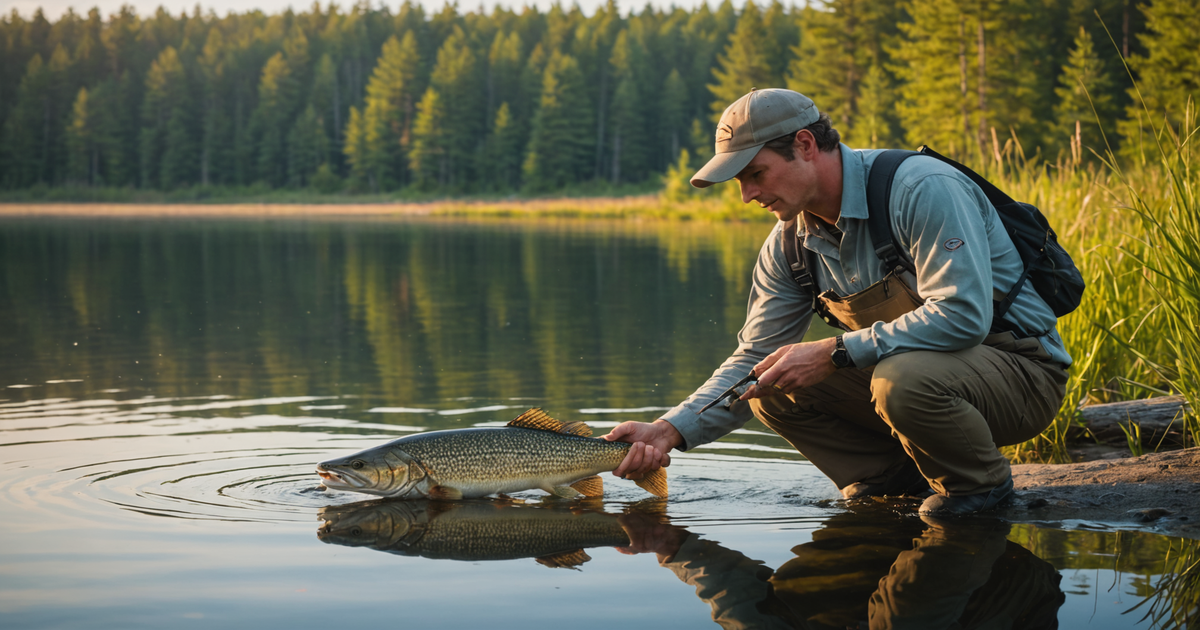
Catch and release practices are encouraged to promote sustainable fishing. The ADF&G outlines specific methods to ensure the safe release of pike, including using barbless hooks and handling fish with wet hands to minimise harm. Observing these guidelines helps maintain healthy fish populations, ensuring future generations of anglers can enjoy Alaska’s rich fishing opportunities.
Specific Regulations for Northern Pike
Alaska’s regulations for northern pike vary by region due to differing ecological needs and population dynamics. The ADF&G website is an excellent resource for detailed information on area-specific regulations.
Size and Catch Limits
Size and catch limits are imposed to regulate the number and size of fish that can be legally retained. These limits differ across regions and are periodically updated based on scientific assessments. As an angler, it is your responsibility to stay informed about the current regulations applicable to your fishing location.
Seasonal Restrictions
Certain areas have seasonal restrictions to protect spawning fish and ensure sustainable population levels. For example, some regions may prohibit pike fishing during peak breeding seasons. Checking the latest seasonal updates before planning your trip is essential to avoid unintentional violations.
Approved Fishing Methods
Alaska permits several fishing methods for northern pike, but restrictions apply to ensure species preservation. Gear such as spears, nets, and traps are generally prohibited. Instead, rod and reel fishing is the preferred method. Detailed guidelines on approved fishing techniques can be found on the ADF&G’s sport fishing regulations page.
Best Practices for Responsible Fishing
Adhering to regulations is only part of responsible fishing. Practising ethical angling includes respecting the environment, other anglers, and the local wildlife. Clean up after yourself, minimise your environmental footprint, and report any suspicious activities or violations to authorities.
Sustainable Fishing Practices
Implementing sustainable fishing practices is crucial in preserving Alaska’s natural resources. Engaging in sustainable fishing ensures that the delicate balance of the ecosystem is maintained. This includes practising selective harvest, respecting protected areas, and contributing to conservation efforts.
Preparing for Your Trip
Proper preparation enhances your fishing experience and ensures compliance with regulations. Familiarise yourself with float fishing rigs for clear water and invest in quality gear to improve your chances of success. Additionally, consider hiring a fishing guide to navigate the best fishing spots and gain local insights.
Conclusion
Understanding and adhering to Alaska northern pike fishing regulations are essential for a successful and responsible angling adventure. By familiarising yourself with the rules and practising sustainable fishing, you contribute to the conservation of Alaska’s natural wonders. Your efforts help ensure that these pristine fishing environments remain available for future generations of anglers.
FAQ
What is the best time of year to fish for northern pike in Alaska?
The optimal time for fishing northern pike in Alaska is during the spring and early summer months when water temperatures are favourable and fish are more active.
Do I need a fishing licence if I’m just practising catch and release?
Yes, a fishing licence is required for all fishing activities in Alaska, including catch and release, to ensure compliance with state regulations.
Can I use live bait for northern pike fishing in Alaska?
The use of live bait is generally discouraged due to ecological concerns. Always check the specific regulations for your fishing area to determine approved bait types.
Are there any northern pike fishing tournaments in Alaska?
Yes, Alaska hosts several fishing tournaments throughout the year. These events often have specific rules and may require additional permits.
How can I find a reliable fishing guide in Alaska?
Consider hiring a guide through reputable service providers like Alaska Adventure Guides to enhance your fishing experience with local expertise.
What are some recommended fishing spots for northern pike in Alaska?
Popular fishing spots include the Yukon River, Minto Flats, and the Susitna River. Research and check regulations for your chosen location before fishing.
How do I report a violation of fishing regulations in Alaska?
Report any violations to the Alaska Department of Fish and Game or local authorities. This helps maintain ethical fishing practices and protect natural resources.
What gear should I bring for northern pike fishing?
Bring essential gear, including a rod and reel suited for pike, appropriate tackle, and tools like fishing clippers for line cutting. Always pack for safety and comfort based on Alaskan weather conditions.