
Introduction
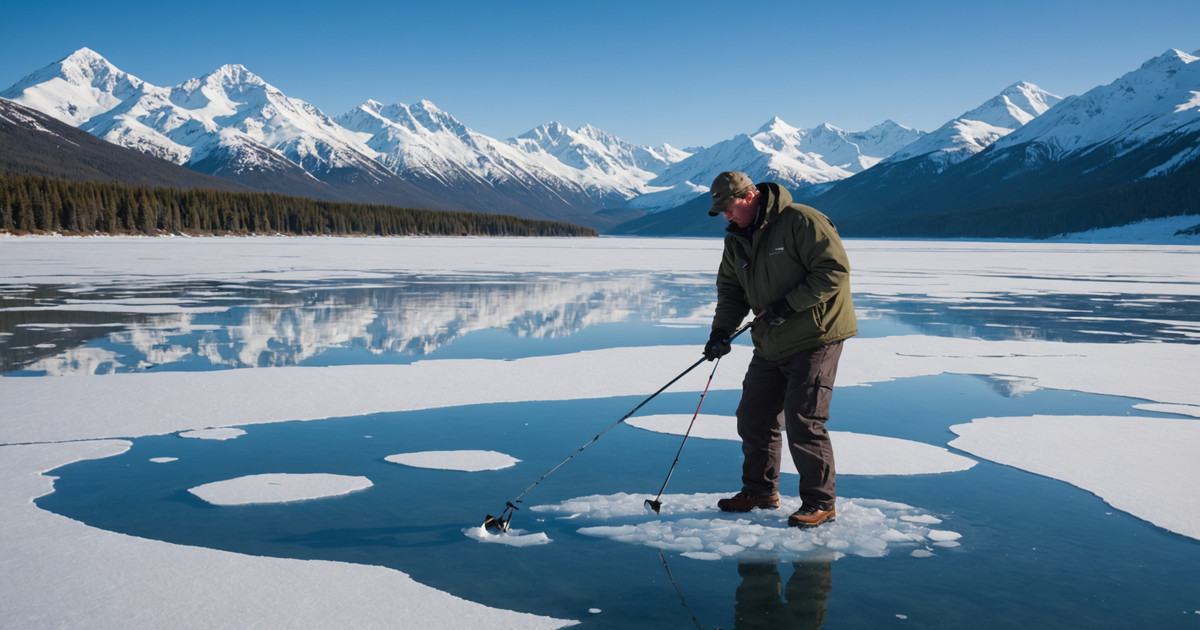
Alaska pike ice fishing offers an exhilarating experience for anglers seeking adventure amidst the state’s stunning winter landscapes. Known for its vast wilderness and pristine waters, Alaska is a paradise for fishing enthusiasts, and ice fishing during the winter months provides a unique opportunity to catch northern pike, a formidable predator fish. In this guide, we’ll explore everything you need to know about embarking on a pike ice fishing adventure in Alaska, from selecting the right gear to understanding the best practices for a successful and safe trip. For more detail, see official guidance.
Preparing for Alaska Pike Ice Fishing
Choosing the Right Equipment. For more detail, see further information.
Successful Alaska pike ice fishing starts with the right equipment. Given the harsh weather conditions, it’s essential to have durable gear that can withstand the elements. Begin with a high-quality ice auger for drilling holes in the ice. Manual augers are a budget-friendly option, but power augers are more efficient, especially for thicker ice. For more detail, see detailed advice.
Fishing rods designed for ice fishing are shorter and more sensitive, allowing you to detect subtle movements. Pair your rod with a reliable reel and braided fishing line, which performs well in cold conditions. Don’t forget to pack a tackle box filled with lures, hooks, and bait, specifically designed for pike fishing. For detailed insights on effective fishing lures, check out our guide on plug fishing lures. For more detail, see planning resources.
Selecting the Ideal Location. For more detail, see local insights.
Alaska is home to numerous lakes and rivers teeming with northern pike. Opt for locations renowned for their pike populations, such as the Chulitna River area. Exploring the Historic Chulitna River Lodge offers not only excellent fishing opportunities but also a glimpse into Alaska’s rich history and breathtaking scenery.
When selecting a fishing spot, consider the thickness and safety of the ice. Always verify current ice conditions and consult with local guides or experts to ensure a secure fishing experience. The Alaska Department of Fish and Game provides valuable resources and updates on fishing regulations and ice conditions.
Understanding Pike Behaviour
To increase your chances of success, it’s crucial to understand the behaviour of northern pike during the winter months. Pike are ambush predators, and during winter, they tend to inhabit areas where they can easily find prey. Look for weed beds, drop-offs, and areas with underwater structures, as these are prime hunting grounds for pike.
Utilise sonar or fish finders to identify these structures beneath the ice. Adjust your fishing tactics based on the depth and activity level of the fish. For more tips on improving your angling techniques, explore our fishing techniques category.
Safety and Regulations
Ensuring Ice Safety
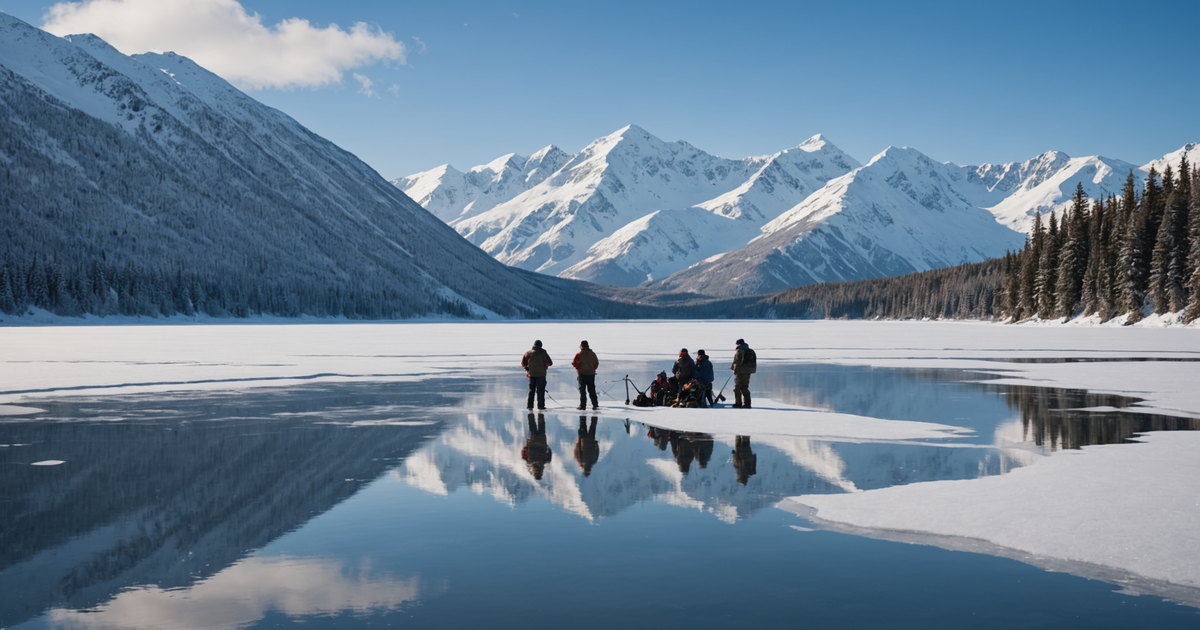
Ice safety is paramount when embarking on an ice fishing trip. Always test the ice thickness before setting up your fishing spot. A minimum of four inches of clear, solid ice is recommended for walking, while thicker ice is necessary for vehicles. Keep a safety kit on hand, including ice picks, a rope, and a whistle, and never fish alone.
Complying with Fishing Regulations
Familiarise yourself with the local fishing regulations to ensure your trip is both legal and sustainable. Alaska has specific rules regarding catch limits and fishing seasons. Visit the Alaska Department of Fish and Game’s sport fishing section for detailed information on pike fishing regulations. Adhering to these guidelines helps preserve the fish populations and their ecosystems for future generations.
Guided Ice Fishing Tours
For those new to ice fishing or seeking a stress-free experience, guided tours are an excellent option. Experienced guides provide valuable insights into local fishing hotspots and ensure a safe and productive trip. Consider joining a full-day snowmobile ice fishing tour, which combines the thrill of snowmobiling with the excitement of ice fishing.
Conclusion
Embarking on an Alaska pike ice fishing adventure is a remarkable way to connect with nature and hone your angling skills. With the right preparation, gear, and knowledge, you can enjoy a memorable fishing experience amidst some of the most breathtaking winter landscapes on earth. Whether you are a seasoned angler or a newcomer, Alaska’s icy waters promise an unforgettable pike fishing expedition.
FAQ
1. What is the best time for pike ice fishing in Alaska?
The best time for pike ice fishing in Alaska is typically from late November to March, when the ice conditions are stable and fishing activity is high.
2. What are the essential safety tips for ice fishing?
Always check ice thickness, carry a safety kit, fish with a partner, and stay informed about weather conditions. For more safety tips, consider reading expert advice on fishing safety.
3. What type of bait is most effective for northern pike?
Live bait such as minnows and dead bait like smelt are highly effective for attracting northern pike. Experiment with different baits to see what works best in your chosen location.
4. Can beginners participate in guided ice fishing tours?
Yes, guided ice fishing tours are ideal for beginners as they provide all necessary equipment and expert guidance to enhance your experience.
5. How do I check current ice conditions in Alaska?
Consult local fishing guides or use resources from the Alaska Department of Fish and Game to stay updated on ice conditions and safety alerts.
6. Are there any specific regulations for catching northern pike in Alaska?
Yes, regulations such as catch limits and fishing seasons apply. It’s essential to review the sport fishing regulations before your trip to ensure compliance.
7. What should I wear for an ice fishing trip?
Dress in layers with moisture-wicking base layers, insulating mid-layers, and waterproof outer layers. A good pair of insulated boots and gloves are also essential to keep you warm and dry.
8. Where can I find more information on planning an Alaska fishing trip?
For comprehensive advice on planning your fishing adventure, visit Travel Alaska’s fishing planning guide.