
Introduction
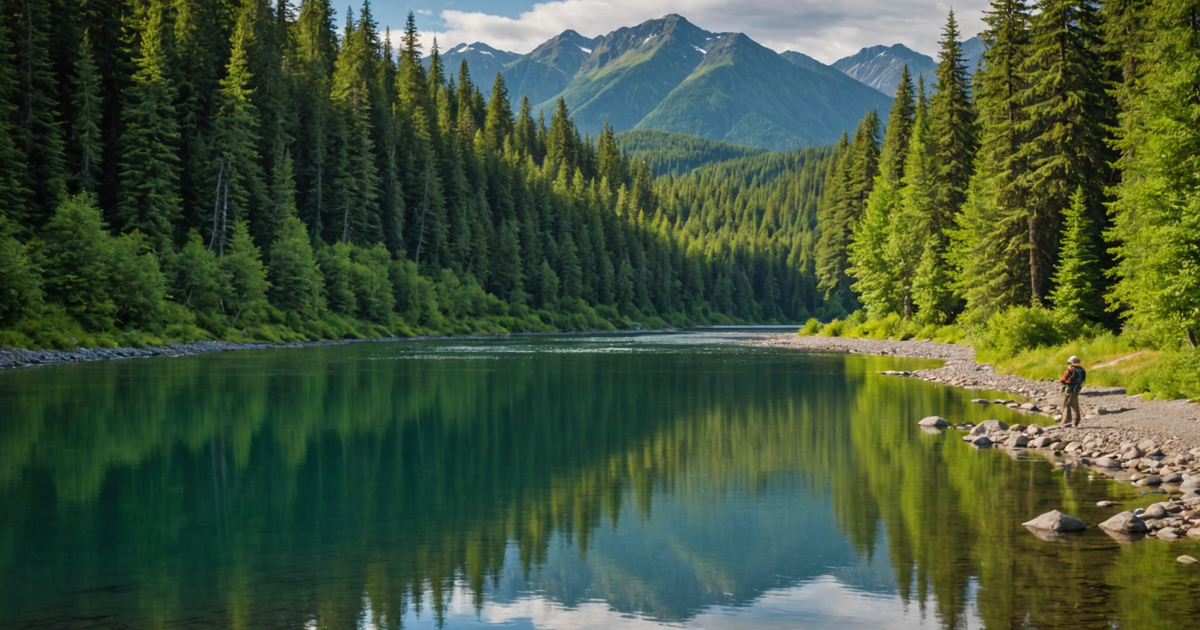
Alaska, with its pristine rivers and abundant wildlife, is a bucket-list destination for anglers worldwide. Known as the “Last Frontier,” its vast wilderness and rich ecosystems provide an unparalleled backdrop for fishing enthusiasts. Among the sought-after experiences is staying at a salmon fishing lodge, where you can immerse yourself in the ultimate fishing adventure. This guide will help you plan your trip to an Alaska salmon fishing lodge, ensuring a memorable and successful experience. For more detail, see official guidance.
Choosing the Right Salmon Fishing Lodge
Selecting the perfect salmon fishing lodge is crucial to the success of your trip. With numerous lodges spread across the state, it is essential to consider factors such as location, amenities, guided trips, and seasonal availability. For more detail, see further information.
Location Matters. For more detail, see detailed advice.
Alaska is home to five species of Pacific salmon: King, Sockeye, Coho, Pink, and Chum. Each species has its own peak season and preferred habitat. Lodges located near the Kenai Peninsula, for example, offer access to some of the most productive salmon fishing waters in the state. For anglers seeking a more remote experience, lodges in the Bristol Bay region or along the Copper River may be more suitable. For more detail, see planning resources.
Amenities and Services. For more detail, see local insights.
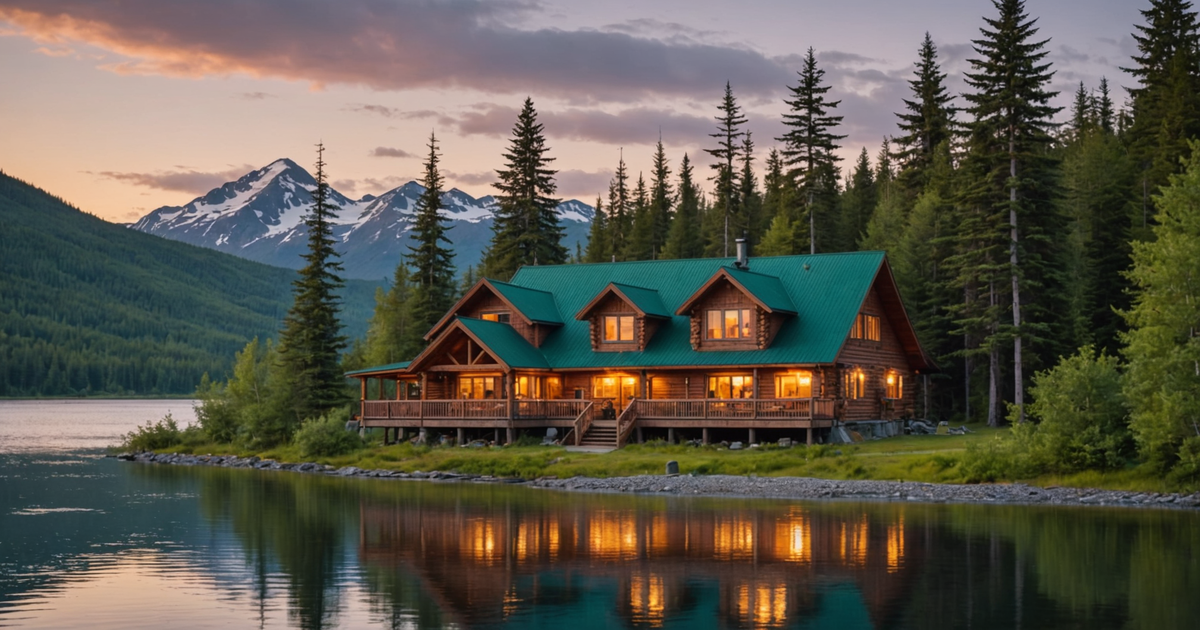
When evaluating salmon fishing lodges, consider the amenities and services offered. Many lodges provide all-inclusive packages that cover lodging, meals, and guided fishing trips. Some may also offer additional recreational activities such as snowmobile tours or wildlife excursions. Ensure the lodge you choose aligns with your preferences and budget.
Guided Trips and Local Expertise
Guided fishing trips are a valuable component of any lodge stay. Experienced guides can enhance your fishing experience by providing local knowledge, equipment, and safety measures. They can also help you navigate Alaska’s vast waters and adhere to fishing regulations to protect the state’s natural resources.
Best Time to Visit
The best time to plan your trip to a salmon fishing lodge in Alaska depends on the species you wish to target. King salmon fishing is typically at its peak from May to July, while Sockeye and Coho are most abundant from July through September. Pink and Chum salmon runs occur in late summer. Understanding these seasonal patterns will help you align your schedule with the best fishing opportunities.
Planning and Preparation
Gear and Equipment
While many lodges provide fishing gear, it’s beneficial to bring your own equipment tailored to your fishing style. For those interested in learning more about fishing setups, check out this guide on jig heads and sizes.
Travel and Logistics
Travelling to Alaska often involves flying into major cities like Anchorage or Fairbanks, followed by a charter flight or road trip to your chosen lodge. It’s essential to plan your travel logistics in advance. Websites like Travel Alaska offer comprehensive resources to help you navigate transportation options.
Permits and Regulations
Ensure you acquire the necessary fishing licenses and permits before embarking on your trip. The Alaska Department of Fish and Game provides detailed information on licensing requirements and fishing regulations to help you stay compliant.
Conclusion
An Alaska salmon fishing lodge offers an exceptional opportunity to connect with nature and engage in world-class fishing. By carefully selecting your lodge, planning around peak seasons, and preparing adequately, you can ensure a successful and memorable adventure. Whether you’re a seasoned angler or a novice, the thrill of reeling in a wild Alaskan salmon is an experience unlike any other.
FAQ
1. What is the best time to visit an Alaska salmon fishing lodge?
The optimal time depends on the salmon species you wish to catch. King salmon are best fished from May to July, while Sockeye and Coho peak from July to September.
2. Do I need a fishing license in Alaska?
Yes, all anglers require a fishing license when fishing in Alaska. The Alaska Department of Fish and Game provides detailed information on obtaining the necessary permits.
3. What should I pack for a fishing trip to Alaska?
Pack weather-appropriate clothing, personal fishing gear if desired, and any medications or personal items you may need. Many lodges supply essential fishing equipment.
4. Are guided fishing trips necessary?
While not mandatory, guided trips greatly enhance the experience by providing local expertise, safety, and equipment, ensuring a successful outing.
5. How do I choose the right fishing lodge?
Consider the lodge’s location, amenities, and the species of salmon you wish to target. Ensure the lodge aligns with your preferences and budget.
6. What other activities can I enjoy at a salmon fishing lodge?
In addition to fishing, many lodges offer activities such as wildlife viewing, hiking, and glacier excursions.
7. Can I visit a salmon fishing lodge with my family?
Yes, many lodges accommodate families and offer activities suitable for all ages, making it a great destination for a family holiday.
8. How do I get to an Alaskan fishing lodge?
Travel typically involves flying into a major Alaskan city, followed by a domestic flight or road trip to your lodge. Proper planning is essential for a smooth journey.