
Introduction
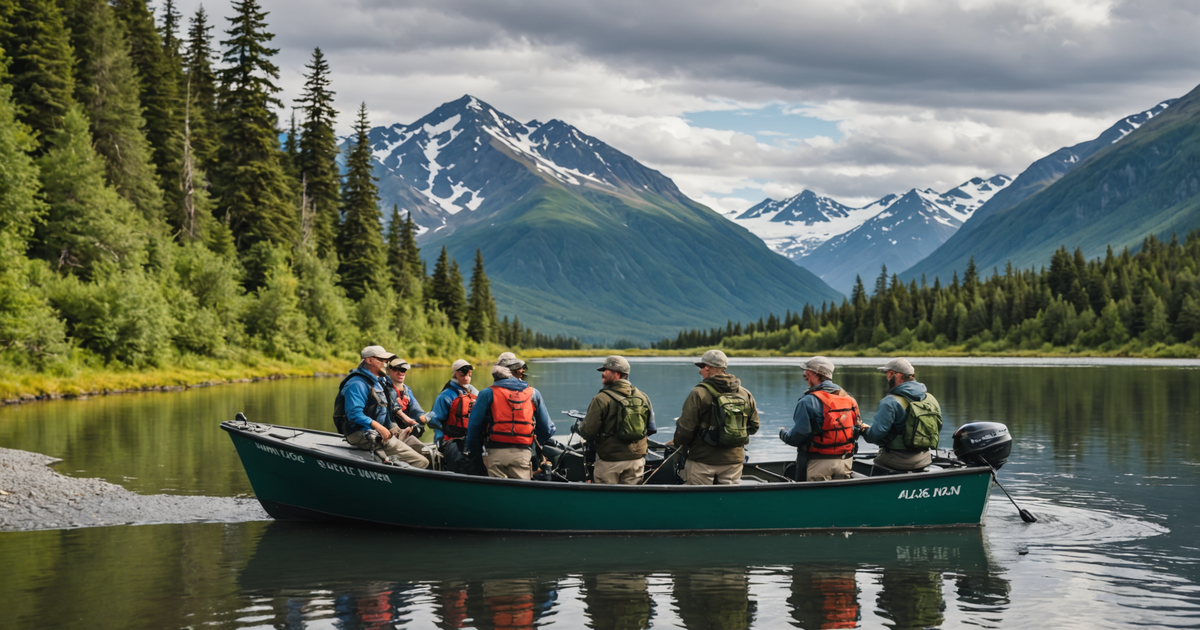
Alaska is renowned for its breathtaking landscapes and diverse wildlife, but perhaps one of its most celebrated natural events is the annual salmon runs. These runs are more than just a marvel of nature; they are a crucial part of Alaska’s ecosystem, culture, and economy. Understanding the timing and patterns of salmon runs in Alaska is essential for anglers planning to experience the thrill of fishing in these pristine waters. This guide provides a comprehensive look at the peak seasons for salmon runs in Alaska and offers tips on booking guided fishing trips to maximise your adventure. For more detail, see official guidance.
The Magnificent Journey of Alaska’s Salmon
Every year, millions of salmon return from the ocean to the rivers and streams of Alaska to spawn. This incredible journey is not only vital for the survival of the species but also supports a vibrant fishing industry. The most common species include Chinook (King), Coho (Silver), Sockeye (Red), Pink (Humpy), and Chum (Dog) salmon. Each species has its own unique run patterns and peak seasons. For more detail, see further information.
Chinook Salmon: The King of Fish. For more detail, see detailed advice.
The Chinook salmon, often referred to as the “King” salmon, is the largest of the species. Its runs typically start in May and can extend through July. The Kenai and Kasilof Rivers are popular spots for catching these majestic fish. For those interested in the best time to catch other species, consider exploring when is Alaska salmon season really. For more detail, see planning resources.
Coho Salmon: A Silver Delight. For more detail, see local insights.
Coho salmon, known for their acrobatic displays and spirited fights, begin their runs in late July, peaking in August and September. They are often found in the streams and rivers of the Kenai Peninsula and Prince William Sound.
Sockeye Salmon: The Scarlet Runner
Sockeye salmon are prized for their rich, red meat. Their runs usually occur from mid-June to late July, with the Bristol Bay area hosting one of the largest sockeye salmon fisheries in the world.
Pink Salmon: Nature’s Abundance
Pink salmon, or humpies, run every other year in even numbers, with peak seasons falling in July and August. These salmon are abundant and provide excellent fishing opportunities for beginners and experts alike.
Chum Salmon: A Hidden Gem
Chum salmon may not receive as much attention as their counterparts, but their runs from June to September offer exciting fishing experiences. They are commonly found in the Yukon and Kuskokwim Rivers.
Planning Your Salmon Fishing Adventure
Understanding the timing and location of salmon runs is crucial for planning a successful fishing trip. Alaska offers a multitude of fishing charters and guided tours that cater to all experience levels. Booking a guided trip not only increases your chances of a bountiful catch but also ensures compliance with local regulations.
Choosing the Right Guide
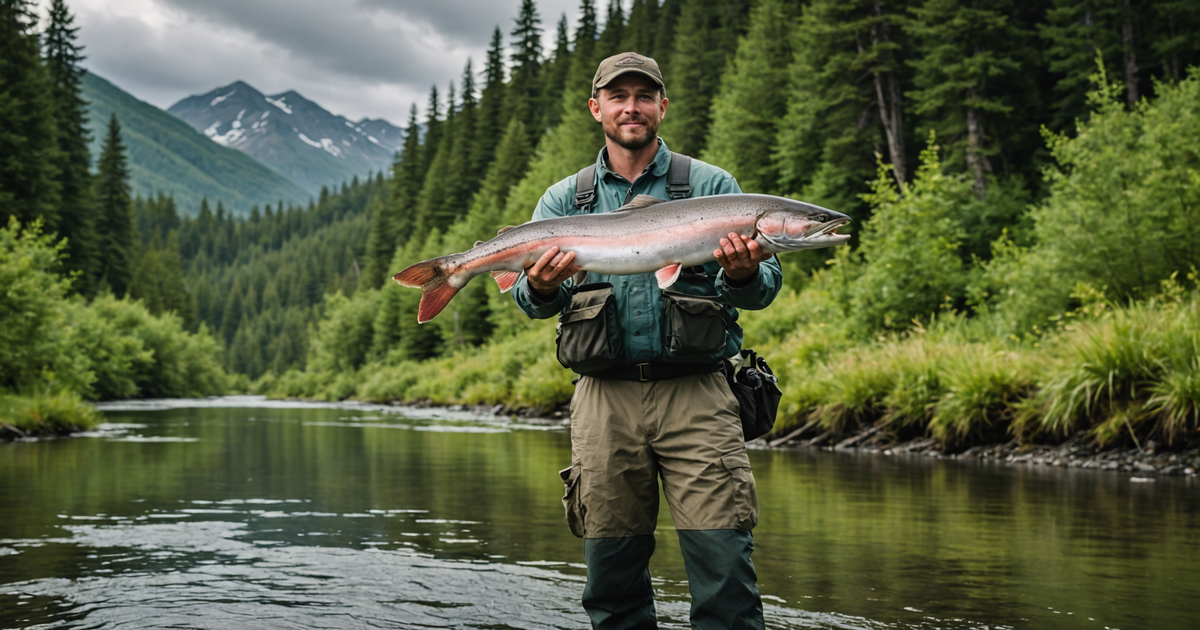
When selecting a guide, consider their knowledge of local waters and expertise in salmon fishing. A reputable guide will provide insights into the best spots and techniques for catching specific salmon species. For a memorable experience, explore guided salmon fishing in Alaska.
Sustainable Fishing Practices
Alaska is committed to preserving its natural resources, and anglers are encouraged to practice sustainable fishing. This includes adhering to catch limits and participating in catch-and-release programmes where applicable. The Alaska Department of Fish and Game provides detailed information on regulations and sustainable practices.
Exploring Other Alaska Adventures
While in Alaska, consider complementing your fishing adventure with other outdoor experiences. From full-day ice fishing to glacier tours, Alaska offers a myriad of activities that showcase its natural beauty.
Conclusion
The salmon runs in Alaska offer an unparalleled opportunity to connect with nature and experience the thrill of fishing in some of the world’s most pristine waters. Whether you’re a seasoned angler or a beginner, understanding the timing and dynamics of these runs is key to planning a successful trip. By choosing the right guide and adhering to sustainable practices, you can ensure a rewarding and responsible fishing adventure.
FAQ
What is the best time for salmon runs in Alaska?
The best time for salmon runs varies by species. Generally, runs occur from May through September, with peak times depending on the type of salmon.
Do I need a licence to fish for salmon in Alaska?
Yes, a fishing licence is required for non-residents. You can obtain licences and learn about regulations on the Alaska Department of Fish and Game website.
Can I fish for salmon on my own, or should I hire a guide?
While solo fishing is possible, hiring a guide enhances the experience by providing local knowledge and ensuring compliance with regulations. Explore the benefits of guided salmon fishing.
What equipment do I need for salmon fishing in Alaska?
Essential equipment includes a sturdy fishing rod, reel, and appropriate lures or bait. Many outdoor equipment suppliers in Alaska offer rentals and advice on gear.
Are there specific regulations I should be aware of?
Yes, each region may have unique regulations regarding catch limits and fishing methods. Visit the Alaska Department of Fish and Game for detailed information.
How does the weather affect salmon fishing in Alaska?
Weather can impact fishing conditions and salmon behaviour. It’s advisable to check forecasts on weather.gov before planning your trip.
Can I combine salmon fishing with other activities in Alaska?
Absolutely! Alaska offers diverse adventures such as snowmobile tours and glacier excursions, making it a perfect destination for outdoor enthusiasts.
Are there resources for learning more about salmon fishing techniques?
Yes, many online resources, such as Trout and Salmon and Sunray Fly Fish, offer tips and techniques for salmon fishing.