
Introduction
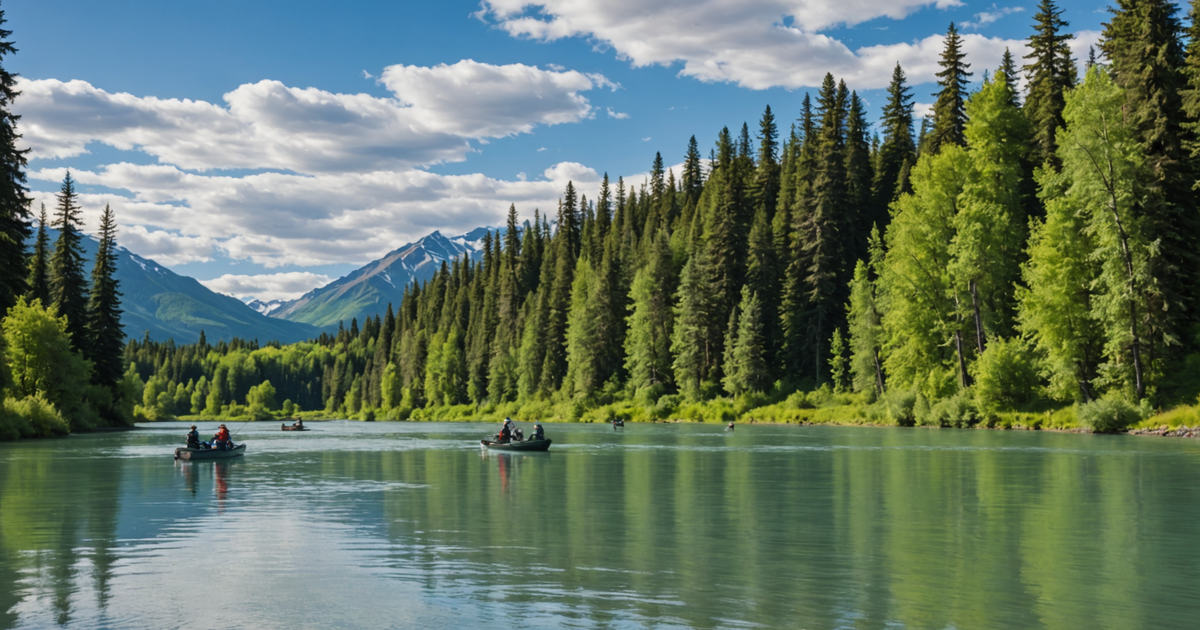
The allure of Alaska’s pristine wilderness is undeniable, and for many anglers, the prospect of fishing in these waters is a lifelong dream. Among the most sought-after experiences is the salmon season in Alaska, a time when rivers teem with these iconic fish, offering some of the best fishing opportunities in the world. Understanding the timing of Alaska’s salmon season is crucial to planning a successful fishing trip, as peak times can vary significantly by location and species. This guide aims to provide comprehensive insights into when and where to experience the best of Alaska’s salmon runs. For more detail, see official guidance.
Understanding Alaska’s Salmon Species
Alaska is home to five main species of Pacific salmon: Chinook (King), Sockeye (Red), Coho (Silver), Chum (Dog), and Pink (Humpy). Each species has its own unique spawning cycle and peak run times, which are influenced by environmental factors such as water temperature and river conditions. For more detail, see further information.
-
Chinook Salmon: Known for their size and strength, Chinook salmon runs typically begin in late May and can extend through July, with peak runs occurring in June.
-
Sockeye Salmon: These salmon have one of the longest runs, from mid-June to late July, with peak times varying by location. For more detail, see detailed advice.
-
Coho Salmon: Coho runs generally start in late July and can continue into October, offering anglers late-season opportunities. For more detail, see planning resources.
-
Chum Salmon: With a run time from June to September, Chum salmon are often overshadowed by their more popular cousins but still provide excellent fishing. For more detail, see local insights.
-
Pink Salmon: Known for their two-year life cycle, Pink salmon have peak runs in even-numbered years, typically from July to mid-August.
Prime Locations for Salmon Fishing in Alaska
Alaska’s vast expanse offers numerous rivers and coastal areas prime for salmon fishing. Each location has its own unique characteristics and peak times that anglers should be aware of.
Kenai River
The Kenai River is famed for its Chinook salmon and holds the record for the largest King salmon ever caught. The first run of Chinook occurs from mid-May to early June, while the second run peaks in July. The Kenai River is also a hotspot for Sockeye and Coho salmon later in the season.
Copper River
Renowned for its rich-tasting Sockeye, the Copper River sees its peak Sockeye run in early June. The river’s harsh environment creates strong, healthy fish that are highly prized both locally and globally.
Bristol Bay
Bristol Bay is synonymous with abundant Sockeye salmon runs that attract anglers from around the world. The season here typically peaks in late June and early July, offering some of the best opportunities for both recreational fishing and commercial harvests.
Southeast Alaska
Southeast Alaska offers diverse fishing opportunities, with Coho salmon runs extending from late summer into autumn. This region is ideal for those looking to enjoy fishing in more secluded and scenic settings.
Timing Your Trip for Maximum Success
The timing of your fishing trip is critical to maximizing your catch. To plan effectively, it’s important to consider both the timing of salmon runs and local fishing regulations.
-
Research Local Regulations: Before embarking on your trip, familiarize yourself with the specific regulations and licensing requirements for the area you plan to fish. This ensures compliance and helps protect fish populations.
-
Consider Guided Tours: For those new to Alaska or salmon fishing, booking a guided tour can enhance your experience. Guides are knowledgeable about local run timings and can provide valuable insights into the best fishing techniques and locations.
-
Monitor Environmental Conditions: Factors such as weather and water levels can influence salmon behaviour. Keeping an eye on these conditions through resources like NOAA can help you adjust your plans for optimal results.
Conclusion
Fishing during the salmon season in Alaska is an unforgettable experience that combines the thrill of the catch with the breathtaking beauty of the Alaskan wilderness. By understanding the timing of different salmon runs and selecting the right locations, you can ensure a successful and rewarding fishing adventure. Whether you’re a seasoned angler or a novice, the opportunity to fish in Alaska’s pristine waters is not to be missed.
FAQ
When is the best time to fish for King salmon in Alaska?
The best time to fish for King salmon, also known as Chinook, is typically from late May to July, with peak runs occurring in June.
Are there specific regulations I should be aware of before fishing in Alaska?
Yes, it’s important to review Alaska’s fishing regulations before your trip to ensure compliance with local laws and conservation efforts.
What is the difference between Sockeye and Coho salmon?
Sockeye are known for their vibrant red colour and firm flesh, making them highly prized for eating. Coho, or Silver salmon, are valued for their acrobatic fights and are typically caught later in the season.
How can I find a reputable fishing guide in Alaska?
Booking through experienced fishing guides can provide valuable local knowledge and improve your fishing success.
Is it possible to fish for salmon in Alaska year-round?
While salmon runs are seasonal, there are opportunities to fish for other species such as Arctic grayling and trout during the off-season months. For tips on other fishing opportunities, check out Alaska’s diverse fishing options.
What gear do I need for salmon fishing in Alaska?
Essential gear includes a sturdy rod and reel, appropriate tackle, and weather-appropriate clothing. For more detailed equipment recommendations, explore our outdoor equipment guides.
Can I catch salmon on my own or do I need a guide?
While it’s possible to fish independently, hiring a guide can greatly enhance your experience, especially if you’re unfamiliar with the area or new to salmon fishing.
What is the significance of the Copper River Sockeye salmon?
Copper River Sockeye are known for their rich flavour and high oil content, making them a coveted catch both for sport and culinary purposes.