
Introduction
The Alaskan pike fish, a formidable predator lurking in the pristine waters of Alaska, offers an exhilarating challenge for anglers. Known for their aggressive nature and impressive size, these fish are a prized catch in the world of sport fishing. This blog post explores the fascinating world of Alaskan pike fishing, including their habitats, the best techniques for catching them, and the benefits of guided fishing trips to maximise your success. For more detail, see official guidance.
Discovering the Alaskan Pike
The northern pike, scientifically known as Esox lucius, is a common freshwater fish found in various parts of the Northern Hemisphere. In Alaska, these predators thrive in the cold, clear waters of rivers, lakes, and ponds. Their elongated bodies and sharp teeth make them efficient hunters, and they are known to feed on smaller fish, frogs, and even small mammals. For more detail, see further information.
Habitat and Behaviour. For more detail, see detailed advice.
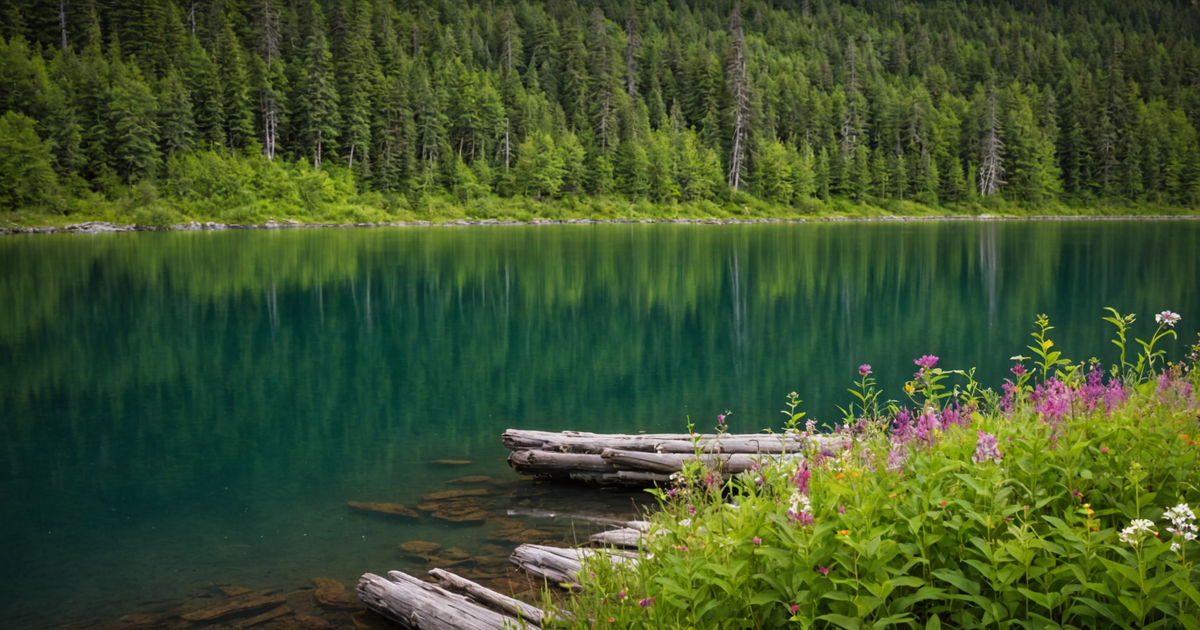
Pike are ambush predators, often found lurking in the shadows of aquatic vegetation or submerged structures, ready to strike at unsuspecting prey. In Alaska, they are typically located in the Interior and Southcentral regions, with the Innoko River and Minto Flats being prime spots. The Alaska Department of Fish and Game provides detailed maps and resources for anglers seeking these waters. For more detail, see planning resources.
Techniques for Catching Alaskan Pike
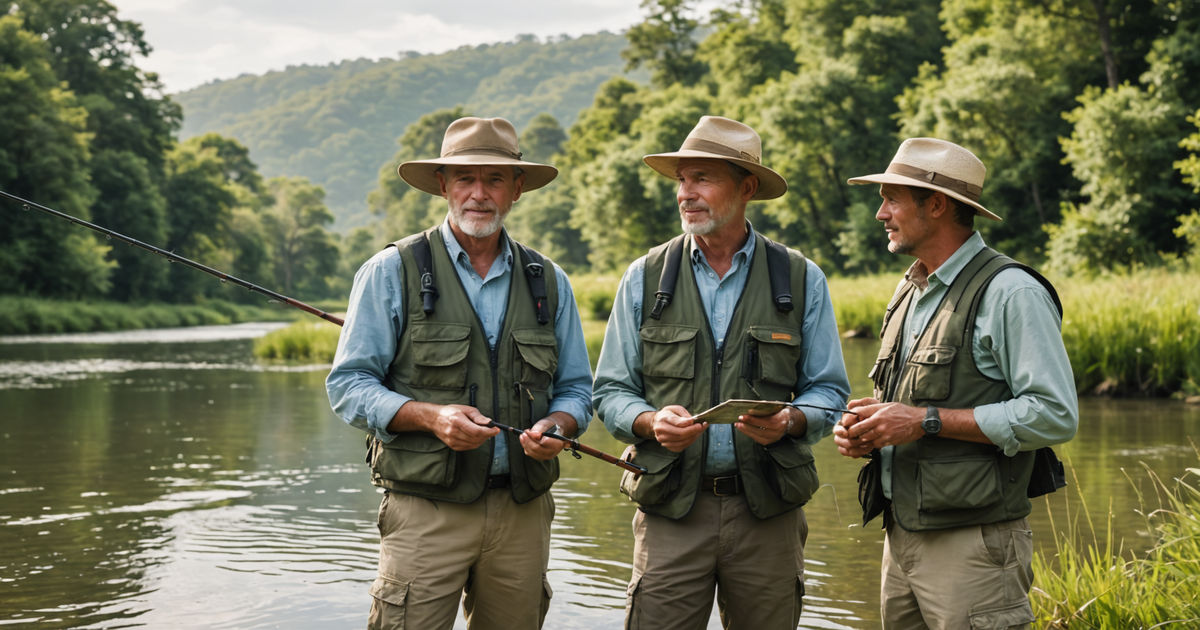
Catching Alaskan pike requires skill, patience, and the right equipment. Here are some effective techniques:. For more detail, see local insights.
Lure Fishing
Lure fishing is a popular method for targeting pike. Using lures that mimic the appearance and movement of their natural prey can entice pike to strike. Spinners, spoons, and soft plastics are particularly effective. Bright colours and erratic movements often provoke aggressive responses from these fish.
Fly Fishing
For those who enjoy the art of fly fishing, targeting pike can be a rewarding challenge. Large streamers that mimic baitfish are ideal. Given their size and strength, using a sturdy fly rod and reel is essential. For more on fly fishing in Alaska, check out our kayak fly fishing guide.
Ice Fishing
During the colder months, pike fishing continues through the ice. This method requires specialised gear, including ice augers and tip-ups. Patience is key, as you wait for the telltale tug on your line. Our ice fishing guide offers comprehensive tips for this unique experience.
The Benefits of Guided Fishing Trips
While solo fishing offers its own rewards, guided trips can enhance your Alaskan pike fishing adventure significantly.
Expertise and Local Knowledge
Guides possess extensive knowledge of local waters and pike behaviour, increasing your chances of a successful catch. They are also familiar with current fishing regulations, ensuring a compliant and sustainable fishing experience. For those new to the area, consider our guided salmon fishing tours which can be adapted for pike.
Safety and Convenience
Alaska’s remote fishing locations can present challenges. A guided trip ensures your safety, providing transportation, equipment, and emergency support. Moreover, guides handle all logistical details, allowing you to focus solely on fishing.
Planning Your Trip
When planning your Alaskan pike fishing adventure, consider the best times and locations. Late spring through early autumn is optimal, with warmer waters encouraging pike activity. Ensure you are familiar with fishing regulations to comply with legal requirements and conservation efforts.
The Travel Alaska website provides valuable resources for organising your trip, from accommodation to travel arrangements. For additional tips, explore our DIY fishing resources.
Conclusion
Alaskan pike fishing offers a thrilling and challenging experience for anglers of all levels. By understanding their behaviour and habitats, utilising effective techniques, and considering guided trips, you can enhance your chances of success in these pristine waters. Whether you’re an experienced fisherman or a novice seeking adventure, Alaska’s pike fishing opportunities are second to none.
FAQ
What is the best time to fish for Alaskan pike?
The best time for pike fishing in Alaska is from late spring to early autumn when the waters are warmer, and pike are more active.
Do I need a fishing license for pike fishing in Alaska?
Yes, a valid fishing license is required. You can obtain one from the Alaska Department of Fish and Game.
What gear is essential for pike fishing?
Essential gear includes a sturdy rod and reel, a variety of lures or flies, and a strong line. For ice fishing, additional equipment like augers and tip-ups is necessary.
Are there guided pike fishing tours in Alaska?
Yes, there are numerous guided tours available. They offer expertise and convenience, enhancing your fishing experience. Consider our guided options for more information.
Can I catch pike while ice fishing?
Absolutely, pike are a popular target for ice fishing in Alaska. Check out our ice fishing guide for tips.
What are the conservation rules for pike fishing?
Conservation rules vary by location. It’s essential to check the local regulations before your trip.
Where are the best locations to fish for pike in Alaska?
Prime locations include the Innoko River and Minto Flats. The Alaska Department of Fish and Game provides detailed maps and resources.
Is fly fishing effective for catching pike?
Yes, fly fishing can be very effective. Large streamers that mimic baitfish are recommended. For more, see our fly fishing articles.