
Introduction
Salmon fishing is an exhilarating pursuit that demands not only skill and patience but also the right equipment. Amongst the essential tools in an angler’s arsenal are salmon fishing hooks, which play a pivotal role in ensuring successful catches. Selecting the best hook for your rig and target species can significantly impact your fishing experience, particularly in the challenging waters of Alaska. This guide will delve into the various types of salmon fishing hooks, their specific applications, and how to choose the perfect one for your needs. For more detail, see official guidance.
Types of Salmon Fishing Hooks
When it comes to salmon fishing, the variety of hooks available can be overwhelming. Each type has its unique features and advantages. Here’s a breakdown of the most commonly used salmon fishing hooks:. For more detail, see further information.
1. J-Hooks. For more detail, see detailed advice.
J-hooks are the most traditional type of fishing hook, characterised by their J-shape. They are versatile and can be used in various rigs, making them a staple for many anglers. J-hooks are particularly effective in situations where the fish are aggressive and tend to bite hard. Their design ensures a strong hold once the fish is hooked. For more detail, see planning resources.
2. Circle Hooks. For more detail, see local insights.
Circle hooks are gaining popularity due to their unique design, which reduces the likelihood of gut-hooking the fish. This is especially beneficial for catch-and-release fishing, as it minimises injury to the fish. The hook’s point curves back towards the shank, which allows it to secure the fish’s mouth corner, making it a more ethical choice for sustainable fishing practices.
3. Treble Hooks
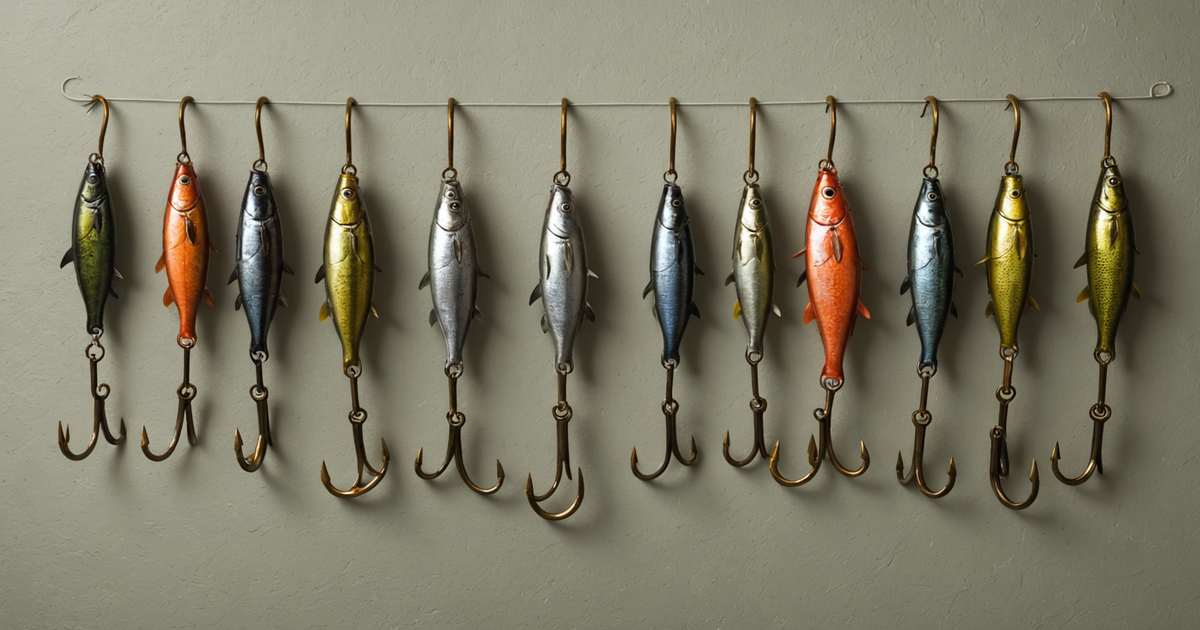
Treble hooks feature three points and are often used in lures and spinners. They provide multiple points of contact, increasing the chances of a successful hook-up. However, they can be more damaging to the fish, so they are less suitable for catch-and-release scenarios. Treble hooks are ideal when you’re targeting larger salmon that require a more robust setup.
4. Siwash Hooks
Siwash hooks are single hooks designed specifically for replacing treble hooks on lures. They offer better hooking capabilities and are easier to remove, reducing harm to the fish. Siwash hooks are a great option if you want to modify your existing lures for a more conservation-minded approach.
Choosing the Right Hook for Your Rig
Selecting the appropriate hook involves considering the type of rig you’re using, the species of salmon you’re targeting, and the fishing environment.
Rig Considerations
- Float Fishing Rigs: Opt for J-hooks or circle hooks, as they hold bait securely and are less likely to snag on underwater obstacles.
- Trolling Rigs: Treble hooks or Siwash hooks are effective here, as they can handle the motion and resistance encountered during trolling.
- Bottom Fishing Rigs: Circle hooks are preferable due to their self-hooking ability, which is advantageous when fishing at depths.
Species Considerations
Different species of salmon require different hook sizes and strengths. For instance, King salmon, known for their size and power, necessitate larger and sturdier hooks, while smaller Coho salmon can be targeted with medium-sized hooks.
Environmental Considerations
- Freshwater vs Saltwater: Stainless steel hooks are best suited for saltwater to resist corrosion, while high-carbon steel hooks are excellent for freshwater environments.
- Water Clarity: In clear water, opt for smaller, less conspicuous hooks, while larger, brightly coloured hooks can be more effective in murky conditions.
Hooking Techniques for Salmon
Mastering various hooking techniques can greatly enhance your chances of a successful catch. Key to this is understanding the feeding habits of salmon and adapting your approach accordingly.
Setting the Hook
Timing is crucial when setting the hook. Salmon often strike with power, so a quick, firm jerk is necessary to embed the hook securely. Circle hooks, however, require a more measured approach; let the fish take the bait and slowly reel in until the hook sets itself.
Hook Placement
Aim to hook the salmon in the corner of the mouth, which is the most secure and least harmful position. This is particularly important when practising catch-and-release, as it ensures the fish can be returned to the water with minimal injury.
Conclusion
Understanding the nuances of salmon fishing hooks is essential for any angler aiming to enhance their fishing success. By selecting the right hook for your rig and target species, you can optimize your fishing experience and contribute to sustainable fishing practices. Whether you’re a seasoned angler or a novice, the right hook can make all the difference in your next Alaskan fishing adventure.
For those new to fishing or looking to refine their skills, consider exploring our Kasilof River Fishing Guide to deepen your understanding.
FAQ
What is the best hook size for salmon fishing?
Hook size depends on the species of salmon you’re targeting. Generally, sizes 1/0 to 5/0 are effective for larger salmon like King salmon, while sizes 4 to 1/0 are suitable for smaller species like Coho salmon.
Can I use barbless hooks for salmon fishing?
Yes, barbless hooks are often recommended for catch-and-release fishing as they cause less damage to the fish and are easier to remove.
How do I choose between a circle hook and a J-hook?
Circle hooks are ideal for minimizing fish injury and are great for passive fishing methods like bottom fishing. J-hooks are versatile and work well for active fishing techniques such as float fishing.
Are treble hooks legal for salmon fishing in Alaska?
Regulations vary, so it’s essential to check the latest Alaskan fishing regulations to ensure compliance.
What materials are best for salmon fishing hooks?
Stainless steel is best for saltwater due to its corrosion resistance, while high-carbon steel is suitable for freshwater environments.
How can I make my fishing more sustainable?
Using circle hooks and practising catch-and-release are effective ways to ensure your fishing practices are sustainable. Learn more about sustainable fishing in our sustainable practices category.
Where can I learn more about salmon fishing techniques?
Explore our All Guided Fishing Tours for expert advice and hands-on experience with seasoned guides.
What are some recommended fishing spots in Alaska?
Alaska offers numerous fishing spots; for an unforgettable experience, check out the Kenai Peninsula, known for its abundant salmon runs and stunning scenery.