
Introduction
Salmon fishing is a revered tradition among anglers worldwide. Known for their strength and agility, salmon provide a thrilling challenge, requiring the right equipment to ensure successful hook-ups. One of the most crucial components in your tackle box is the salmon hook. Selecting the best salmon hooks can significantly enhance your fishing experience, ensuring that once a salmon bites, it stays on the line. This guide will explore the different types of salmon hooks, the ideal sizes and shapes for various fishing styles, and why choosing the right hook is vital for solid hook-ups. For more detail, see official guidance.
Understanding Salmon Hooks
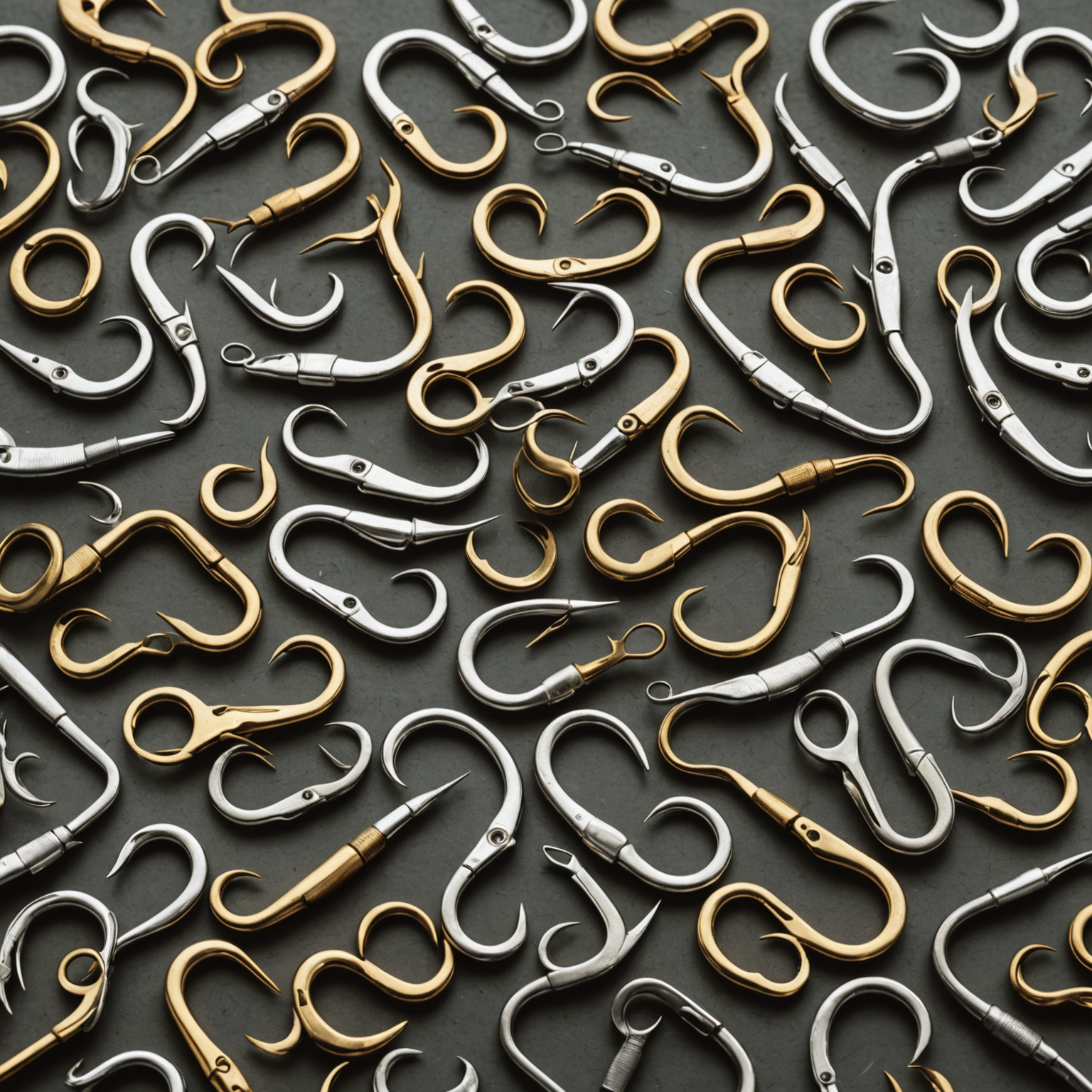
Salmon hooks come in various designs, each suited to specific fishing techniques and environments. The primary types include J-hooks, circle hooks, and treble hooks. Understanding the differences among these can help you choose the most suitable option for your fishing needs. For more detail, see further information.
J-Hooks. For more detail, see detailed advice.
J-hooks are the traditional choice for many anglers. They are characterised by their simple, J-shaped design, which makes them versatile and easy to use. These hooks are ideal for bait fishing, where the hook needs to penetrate the mouth of the fish quickly. However, they require a timely and forceful setting to ensure a solid hook-up, often demanding greater skill from the angler. For more detail, see planning resources.
Circle Hooks. For more detail, see local insights.
Circle hooks have gained popularity due to their unique design, which reduces the chance of deep hooking the fish, thereby promoting catch and release practices. The hook’s point is angled inwards, making it less likely to catch in the fish’s gut. Circle hooks are excellent for novice anglers because they require less effort in setting the hook; the fish often hooks itself as it swims away.
Treble Hooks
Treble hooks feature three points, increasing the likelihood of a successful hook-up. They are commonly used in lures and are effective when targeting large salmon. However, treble hooks are more challenging to remove and can cause more significant injury to the fish, making them less suitable for catch and release.

Ideal Hook Sizes and Shapes
The size and shape of your hook should correspond to the size of the fish you are targeting and the bait or lure you are using. Here’s a breakdown of typical hook sizes for salmon fishing:
- Small Salmon (up to 10 lbs): Opt for hooks in the size range of 1/0 to 2/0. These sizes provide the right balance of strength and subtlety, ensuring the fish is less likely to notice the hook.
- Medium Salmon (10-20 lbs): Use hooks between 2/0 and 4/0. These sizes are robust enough to handle the fight of a medium-sized salmon without compromising the bait’s natural presentation.
- Large Salmon (20 lbs and over): Hooks ranging from 4/0 to 6/0 are ideal for these powerful fish. The increased size offers the strength necessary to withstand aggressive runs and jumps.
Hook Shapes
The shape of the hook can also affect your fishing success. For example, offset hooks can increase the hooking rate by creating a better angle for penetration. Meanwhile, barbless hooks are recommended for catch and release, as they cause less harm to the fish while still providing a secure hold.
Choosing the Right Hook Material
The material of your hook can influence its durability and performance. Most salmon hooks are made from high-carbon steel or stainless steel. High-carbon steel hooks offer excellent strength and sharpness but require regular maintenance to prevent rust. On the other hand, stainless steel hooks are corrosion-resistant, making them ideal for saltwater environments.
Techniques for Effective Hook-Ups
Successfully hooking a salmon involves more than just having the right hook; it also requires proper technique. Here are some tips to improve your hook-up rate:
- Ensure a Sharp Hook: A sharp hook penetrates more easily, increasing your chances of a solid hook-up. Always check the sharpness of your hook before and during your fishing trip.
- Use the Right Bait or Lure: Match your hook with the appropriate bait or lure to mimic the salmon’s natural prey, making them more likely to bite.
- Master the Hook Set: Practice your hook-setting technique to ensure that you react promptly and effectively when a fish bites. This is especially important when using J-hooks.
Conclusion
Selecting the right salmon hooks is a critical aspect of successful salmon fishing. By understanding the types of hooks available and their specific applications, you can improve your hook-up rate and enhance your overall fishing experience. Whether you are a seasoned angler or a novice looking to make the most of your fishing adventure, choosing the right hook can make all the difference.
For more in-depth articles on fishing techniques, visit our articles section. If you have any questions or need further assistance, feel free to contact us or learn more about us.
FAQ
What is the best hook size for salmon fishing?
The best hook size depends on the size of the salmon you are targeting. For small salmon, use 1/0 to 2/0 hooks; for medium salmon, 2/0 to 4/0; and for large salmon, 4/0 to 6/0 hooks are recommended.
Are circle hooks better for catch and release?
Yes, circle hooks are better for catch and release as their design reduces the likelihood of deep hooking, making it easier to release the fish unharmed.
Can I use treble hooks for salmon fishing?
Treble hooks can be used for salmon fishing, particularly with lures for large salmon. However, they can cause more harm to the fish, making them less ideal for catch and release.
How do I keep my hooks sharp?
Regularly check your hooks for sharpness during your fishing trip. Use a hook file or stone to sharpen them, ensuring they penetrate easily.
Is stainless steel better than high-carbon steel for hooks?
Stainless steel is more corrosion-resistant, making it suitable for saltwater environments, while high-carbon steel offers excellent strength and sharpness but requires more maintenance to prevent rust.
Do I need different hooks for freshwater and saltwater salmon fishing?
While some hooks are versatile, stainless steel hooks are preferable for saltwater due to their resistance to corrosion, whereas high-carbon steel is often used in freshwater.
Where can I learn more about salmon fishing regulations?
For comprehensive information on fishing regulations, visit the Alaska Department of Fish and Game or the National Oceanic and Atmospheric Administration.
How can I improve my salmon fishing skills?
To enhance your skills, consider reading expert advice on salmon fishing tips and tricks and practising regularly.