
Best Salmon Jigs for Rivers and Tides
Meta Description: Catch more fish with top salmon jigs designed for rivers, estuaries and coastal waters; proven weights and colours that deliver.
Introduction
Salmon fishing is a beloved pastime for many anglers in the UK, offering both the thrill of the catch and the beauty of the surroundings. Whether you’re casting in the fast-flowing rivers of Scotland or the tidal estuaries of Wales, having the right salmon jigs can make all the difference. In this guide, we’ll explore the best salmon jigs for various environments, focusing on the optimal weights and colours that consistently deliver results. We’ll also delve into the techniques that can enhance your fishing experience, ensuring you return home with a satisfying catch.
Salmon Jigs: The Basics
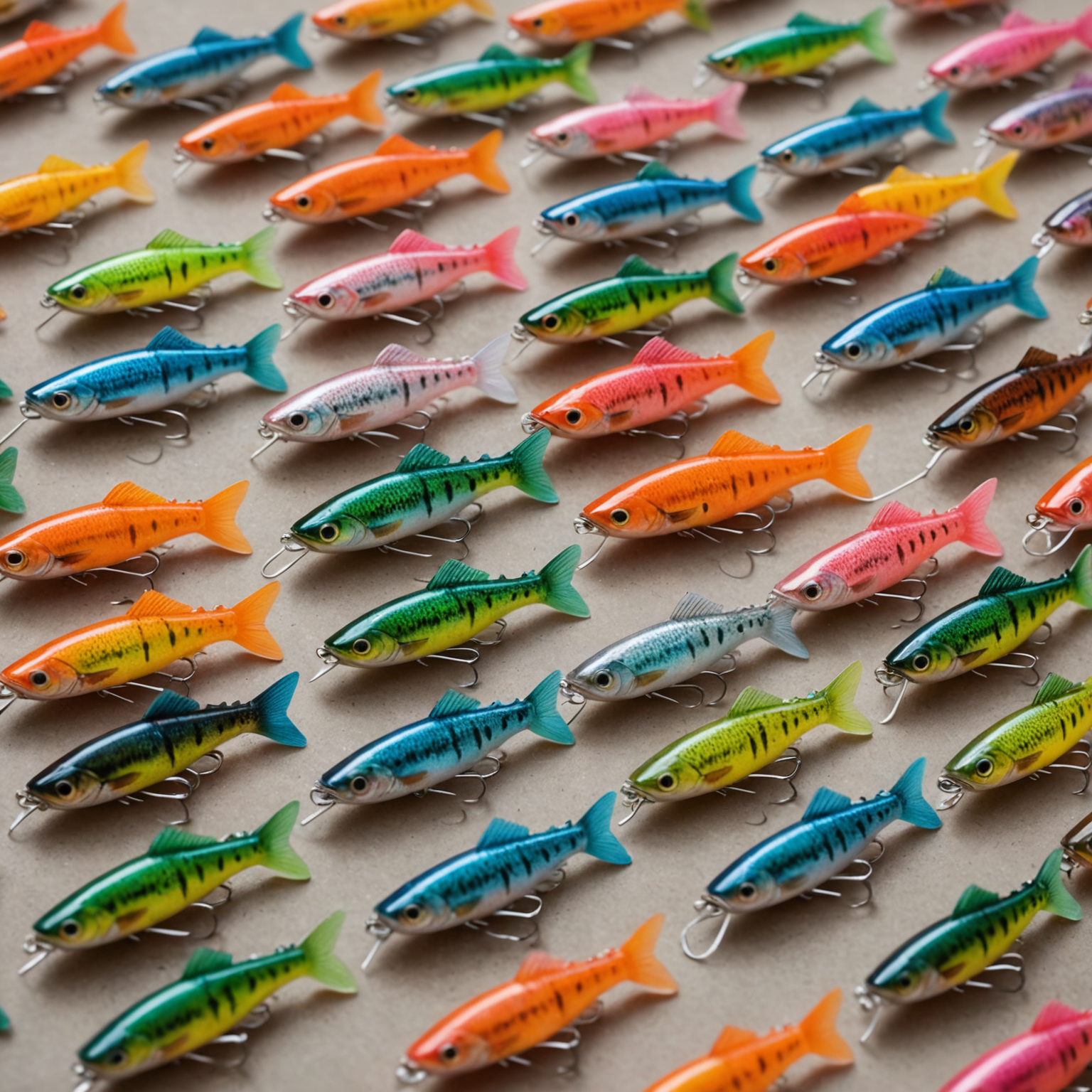
Understanding what makes a salmon jig effective is crucial for any angler. A salmon jig typically consists of a weighted head and a hook, often adorned with brightly coloured materials to attract fish. The weight of the jig helps it sink to the desired depth quickly, while the colours mimic the appearance of prey, enticing salmon to strike.
Choosing the Right Weight
The weight of your salmon jig can significantly impact your success. In fast-flowing rivers, a heavier jig is often necessary to reach the desired depth swiftly. Conversely, in slower tidal waters, a lighter jig can be more effective, allowing for a more natural presentation. Generally, jig weights range from 1/4 ounce to 3 ounces, with anglers often carrying a selection to adapt to varying conditions.
Colour Selection
Colours such as pink, orange, and chartreuse are popular among salmon anglers. These hues stand out in murky waters, increasing visibility and attraction. In clearer waters, more natural colours like silver and blue can be effective, as they resemble the salmon’s natural prey. Experimenting with different colours can help determine what works best in your fishing environment.
Techniques for Using Salmon Jigs
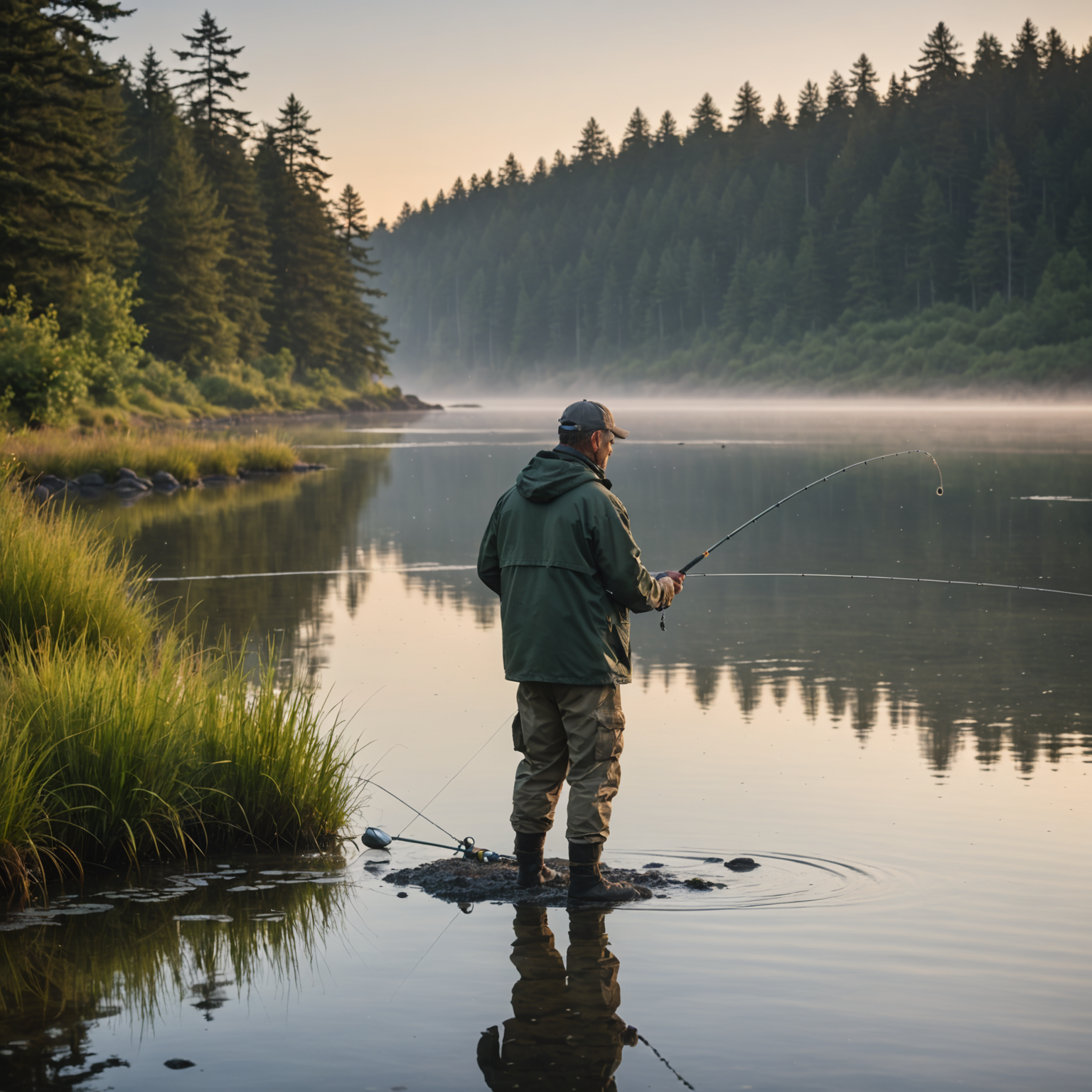
Mastering the technique of jigging is essential for enticing salmon to bite. Here are some tried-and-tested methods:
Vertical Jigging
Vertical jigging is particularly effective in deeper waters. By dropping your jig to the bottom and then lifting it in a rhythmic motion, you can imitate the movement of a fleeing fish. This technique can be particularly effective during slack tides when salmon are less active.
Drifting with Jigs
Drifting is a method often used in river fishing. By casting upstream and allowing your jig to drift naturally with the current, you can cover a broad area. This technique is particularly effective in faster currents where salmon are likely to be on the move.
Casting and Retrieving
In estuaries and coastal waters, casting and retrieving can be highly productive. Varying the speed of your retrieve can help trigger a reaction strike from salmon. This method is ideal when you can see fish actively feeding near the surface.
Best Salmon Jigs for Different Environments
River Fishing
For rivers, consider jigs with a heavier weight and vibrant colours. The increased weight helps the jig to sink quickly in fast currents, while bright colours improve visibility. Brands like Blue Fox and Mepps offer excellent options for river fishing.
Tidal Waters
In tidal waters, flexibility is key. A range of jig weights allows you to adapt to changing currents. Lighter jigs with natural colours are often more effective here. Berkley and Shimano provide a variety of jigs suited for these environments.
Coastal Fishing
When fishing in coastal areas, consider using jigs that mimic local baitfish. Silver and blue jigs can be particularly effective, as they resemble herring and mackerel, common prey for coastal salmon. Rapala and Storm produce jigs that are highly effective in these settings.
Conclusion
Selecting the best salmon jigs for rivers and tides requires an understanding of the environment and the behaviour of salmon. By choosing the right jig weight, colour, and technique, you can significantly enhance your chances of success. Whether you’re an experienced angler or a beginner, experimenting with different jigs and methods can lead to a more rewarding fishing experience. For more tips and insights, explore our articles or contact our team of experts.
FAQ
What are the best colours for salmon jigs?
Bright colours like pink, orange, and chartreuse are effective in murky waters, while natural colours like silver and blue work well in clearer waters.
How do I choose the right weight for my salmon jig?
Consider the water conditions. Heavier jigs are better for fast-flowing rivers, while lighter jigs are suited for slower tidal waters.
Can I use the same jigs for river and tidal fishing?
While some jigs can be versatile, carrying a selection suited to specific environments is advisable for optimal results.
What is the best technique for using salmon jigs?
Techniques like vertical jigging, drifting, and casting and retrieving are all effective, depending on the fishing environment.
Where can I buy quality salmon jigs?
Reputable brands like Blue Fox, Mepps, Berkley, Shimano, Rapala, and Storm offer high-quality jigs available at most fishing supply stores.
How can I improve my salmon fishing success?
Experiment with different jig weights, colours, and techniques. Stay informed through resources like Google Search documentation for the latest fishing tips.
Do tides affect salmon fishing?
Yes, tides can influence salmon movement and feeding patterns. Understanding tidal flows can help you time your fishing trips for better success.
For more information about our fishing guides and tips, visit our about page.