
Introduction
Trout fishing is a beloved pastime for many angling enthusiasts around the world. The thrill of the chase, the serene environments, and the satisfaction of a successful catch make it a rewarding experience. One of the most effective methods for catching trout is using spinning lures. These lures mimic the natural prey of trout, enticing them to strike. In this article, we’ll explore the best spinning lures for trout fishing, providing you with the knowledge and tools to enhance your fishing adventures. For more detail, see official guidance.
Understanding Trout and Their Habitats
Before delving into the best spinning lures for trout fishing, it’s crucial to understand the environment and behaviour of trout. Found predominantly in freshwater environments like rivers and lakes, trout are known for their keen sense of sight and are often attracted to lures that resemble their natural food sources. For more detail, see further information.
Types of Trout. For more detail, see detailed advice.
Trout species vary significantly, with rainbow trout, brown trout, and brook trout being the most common. Each species has unique preferences regarding habitat and diet, which can influence your choice of lure. For more detail, see planning resources.
Ideal Conditions for Trout Fishing. For more detail, see local insights.
Trout are most active during cooler temperatures, typically in the early morning or late afternoon. They prefer clear, oxygen-rich waters, often hiding under rocks or near underwater vegetation. To maximise your success, it’s essential to understand these preferences and adapt your approach accordingly.
Choosing the Right Spinning Lures
Selecting the appropriate spinning lure is crucial for a successful trout fishing experience. Here are some top options that have consistently proven effective.
1. Inline Spinners
Inline spinners are a favourite among trout anglers due to their simplicity and effectiveness. They consist of a spinning blade that creates vibration and flash, imitating small fish or insects. The Mepps Aglia is a classic example, known for its versatility and ability to attract various trout species.
2. Spoon Lures
Spoon lures are another excellent choice, particularly for their unique wobbling action that mimics injured baitfish. The Acme Kastmaster is renowned for casting long distances and maintaining a consistent action. It’s particularly effective in deeper waters where trout may be lurking.
3. Jigs
Jigs offer versatility and are particularly effective when trout are feeding near the bottom. Their design allows for a more controlled descent, making them ideal for deeper waters. Brands like Berkley PowerBait offer jigs infused with scent and flavour, increasing their attractiveness to trout.
4. Crankbaits
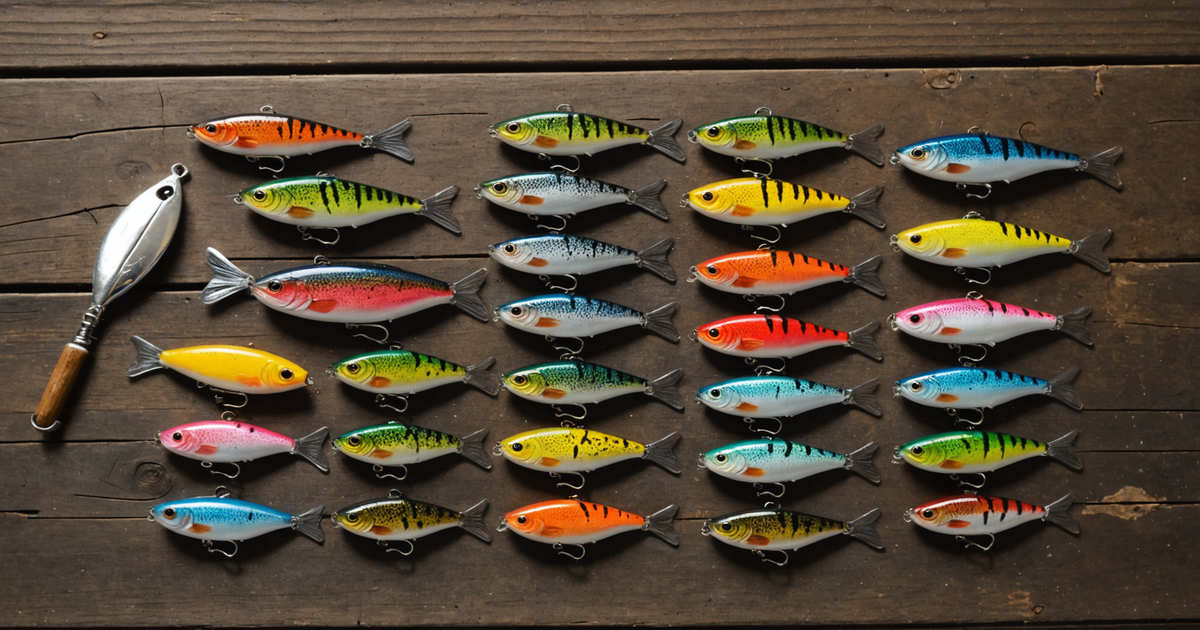
Crankbaits are designed to imitate the swimming action of small fish. Their lifelike appearance and movement make them particularly appealing to trout. When selecting a crankbait, consider the water depth and clarity to choose the right size and colour.
5. Soft Plastics
Soft plastic lures are highly versatile and can imitate a variety of prey, from worms to small fish. They can be rigged in numerous ways, allowing anglers to adapt to different conditions and trout behaviours. Brands like Zoom Bait provide a wide array of options suitable for trout fishing.
Techniques for Using Spinning Lures
Understanding how to use spinning lures effectively can significantly increase your chances of success.
Casting and Retrieving
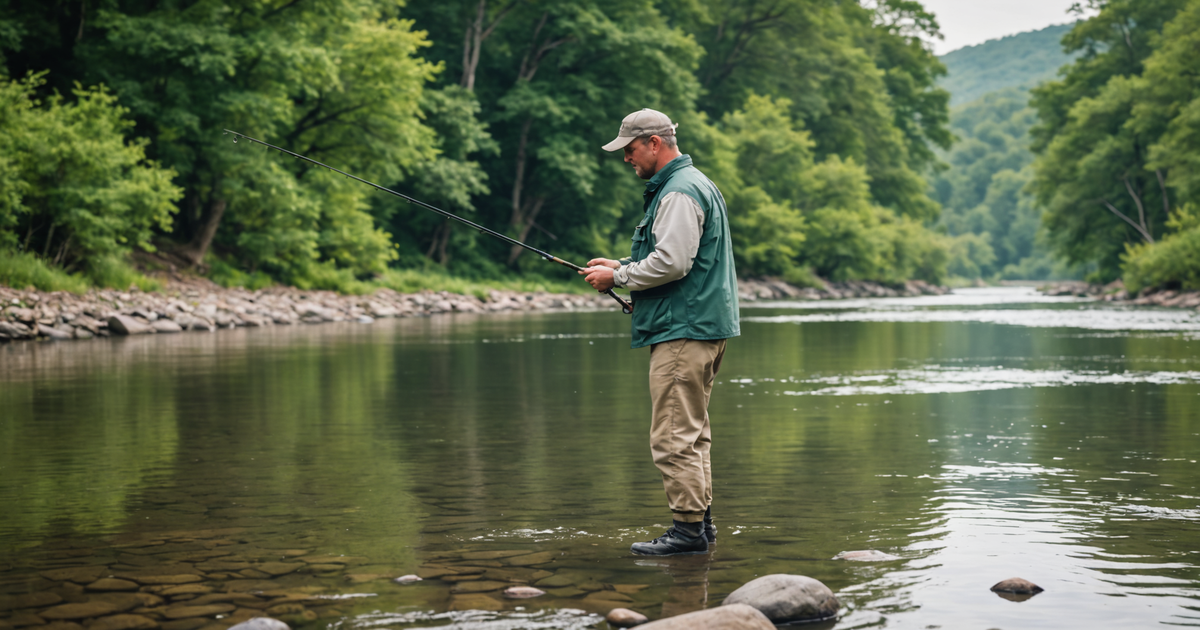
The technique of casting and retrieving involves casting your lure into the water and reeling it back at varying speeds. This mimics the natural movement of prey and can trigger a trout’s predatory instincts.
Jigging
Jigging involves lifting the lure in a vertical motion to simulate a dying or injured prey. This technique is especially effective in deeper waters or when trout are less active.
Trolling
Trolling involves dragging a lure behind a moving boat. It’s an effective way to cover large areas and locate active trout. Adjust the speed and depth to match the behaviour of the trout and the type of lure used.
Conclusion
Trout fishing with spinning lures is a rewarding experience that combines skill, patience, and a bit of luck. By understanding the behaviour of trout and selecting the right lures, you can significantly increase your success rate. Whether you’re a seasoned angler or a beginner, experimenting with different lures and techniques will enhance your fishing adventures. For those interested in exploring more about fishing in Alaska, consider checking out our destinations for the best fishing spots.
FAQ
What is the best time of day to fish for trout?
Trout are most active during cooler parts of the day, such as early morning and late afternoon. These times offer optimal feeding conditions.
Do I need a fishing license to fish for trout in Alaska?
Yes, a fishing license is required for fishing in Alaska. Visit the Alaska Department of Fish and Game for more information on obtaining a license and understanding local regulations.
How do I choose the right size of lure for trout?
The size of the lure should match the size of the prey in the area you are fishing. Smaller lures are generally better for trout, as they often feed on small insects and fish.
Can I use spinning lures in both rivers and lakes?
Yes, spinning lures are versatile and can be used in both rivers and lakes. Adjust your technique and lure choice based on the water conditions and trout behaviour.
What should I consider when selecting lure colours?
Consider the water clarity and weather conditions. In clear water, natural colours work best, while in murky water or low-light conditions, brighter colours can be more effective.
Are there specific regulations for trout fishing in Alaska?
Yes, there are specific regulations regarding trout fishing in Alaska. It’s essential to familiarise yourself with the current regulations to ensure compliance.
Where can I find guided fishing tours in Alaska?
For those seeking a guided experience, explore fishing charters and tours available throughout Alaska for an unforgettable fishing adventure.
What other fishing techniques should I explore?
Beyond spinning lures, consider learning about fly fishing techniques or trying different lure types such as jigs or crankbaits to diversify your approach.