

Introduction
Alaska, the Last Frontier, offers a rich tapestry of pristine rivers and abundant marine life, making it a premier destination for salmon fishing enthusiasts. The pursuit of these majestic fish is a quintessential Alaskan experience, drawing anglers from around the globe. However, to optimise your fishing expedition, it is crucial to understand the best time to catch salmon in Alaska. This timing is influenced by the salmon’s natural migration patterns, the specific species targeted, and regional climatic conditions. This guide will navigate you through these factors, ensuring that your Alaskan adventure is both fruitful and memorable. For more detail, see official guidance.
Understanding Salmon Migration Patterns
Salmon are anadromous fish, which means they are born in freshwater, migrate to the ocean, and return to freshwater to spawn. This lifecycle is pivotal in determining the best time to catch salmon in Alaska. The timing of salmon runs varies by species and location, with five main types of salmon inhabiting Alaskan waters: Chinook (King), Sockeye (Red), Coho (Silver), Chum (Dog), and Pink (Humpy). For more detail, see further information.
Chinook (King) Salmon. For more detail, see detailed advice.
Chinook salmon are the largest and often the most sought-after by anglers. Their runs typically begin in late May and continue through July, with peak fishing occurring in mid-June to early July. The Kenai River is renowned for its Chinook runs, offering anglers the chance to catch trophy-sized fish. For more detail, see planning resources.
Sockeye (Red) Salmon. For more detail, see local insights.
Sockeye salmon are known for their vibrant colour and rich flavour, making them a favourite among both commercial and recreational fishers. Their runs occur from mid-June to late July, with the peak usually in early July. Bristol Bay is a prime location for Sockeye fishing, hosting one of the largest Sockeye salmon fisheries in the world.
Coho (Silver) Salmon
Coho salmon are prized for their aggressive behaviour and aerial acrobatics, providing an exciting challenge for anglers. Their runs begin in July and extend through September, with peak fishing typically in late August. The waters around Kodiak Island and the Kenai Peninsula are excellent spots for Coho fishing.
Chum (Dog) and Pink (Humpy) Salmon
Chum and Pink salmon are often overlooked but provide excellent fishing opportunities. Chum runs occur from mid-June to September, with a peak in July. Pink salmon, the smallest of the five species, run predominantly in even-numbered years, with their peak from July to early August. Southeast Alaska offers abundant opportunities to fish for these species.
Regional Considerations
Alaska’s vast and varied geography means that fishing conditions can differ significantly across the state. Each region offers unique opportunities and challenges, influenced by local climate and water conditions.
Southeast Alaska
Southeast Alaska, with its temperate rainforest climate, provides a diverse array of fishing environments, from coastal waters to inland rivers. The region’s milder weather can extend fishing seasons, particularly for Coho salmon. 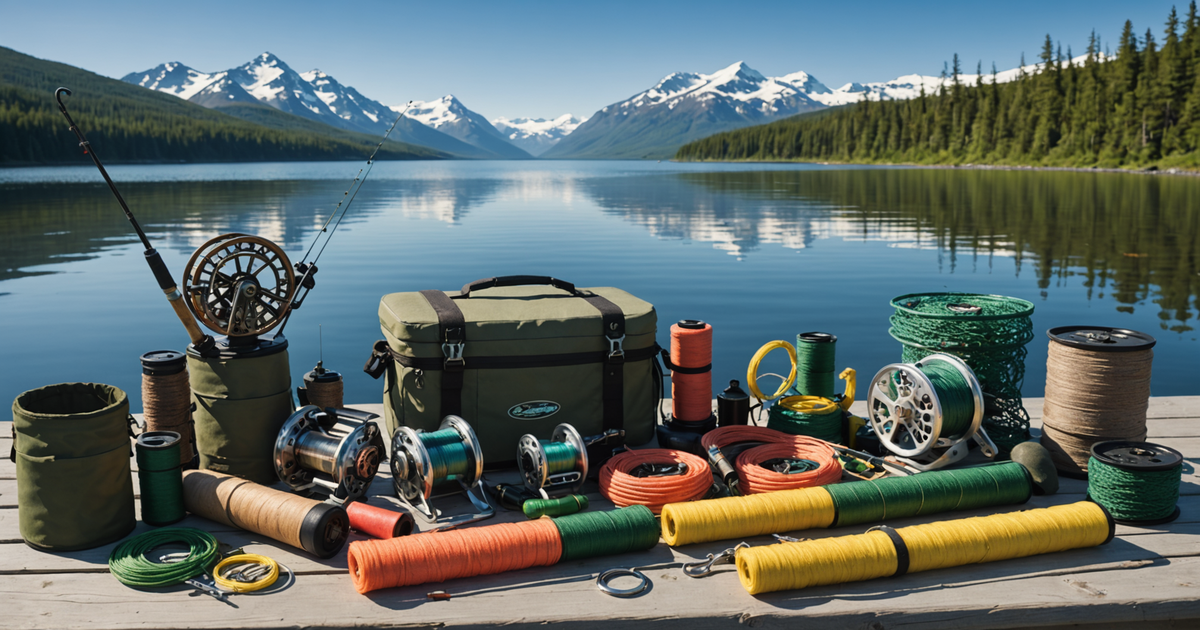
Southcentral Alaska
Home to the Kenai Peninsula and Prince William Sound, Southcentral Alaska is renowned for its rich salmon fisheries. The region’s rivers, such as the Kenai and Russian, are popular for Chinook and Sockeye fishing. The area’s accessibility and infrastructure make it a preferred choice for many anglers.
Interior Alaska
Interior Alaska offers remote and pristine fishing experiences, with the Yukon River being a significant salmon habitat. The short but intense summers in this region mean that fishing trips must be well-timed to coincide with peak salmon runs.
Best Practices for a Successful Fishing Trip
To maximise your success, it is essential to come prepared with the right gear and knowledge. Understanding local regulations is critical, as outlined by the Alaska Department of Fish and Game. Additionally, consider hiring a local guide from Alaska Adventure Guides to enhance your experience with expert insights and local knowledge.
Gear and Techniques
Selecting the appropriate gear can make a significant difference in your fishing success. Top salmon flashers are essential for attracting salmon, while float fishing rigs are ideal for clear water conditions. For those interested in fly fishing, understanding techniques for each salmon species is crucial.
Conservation and Sustainability
Practising responsible fishing is vital to preserving Alaska’s natural resources. Follow catch-and-release guidelines and adhere to local regulations to ensure that future generations can enjoy the same experiences. The Leave No Trace principles are a valuable resource for maintaining the pristine environment of Alaska’s fishing habitats.
Conclusion
Timing your trip with the salmon runs and understanding the nuances of each region are key to a successful fishing adventure in Alaska. Whether you’re targeting the mighty Chinook or the spirited Coho, being well-prepared and informed will enhance your experience. By embracing sustainable practices and respecting local regulations, you can enjoy the splendour of Alaska’s natural bounty while contributing to its conservation.
FAQ
1. What is the best time to catch salmon in Alaska?
The best time varies by species: Chinook from late May to July, Sockeye in June and July, Coho from July to September, and Chum and Pink in mid-June to September.
2. Which region in Alaska is best for salmon fishing?
Each region offers unique opportunities. For instance, Southcentral Alaska is popular for Chinook and Sockeye, while Southeast Alaska is ideal for Coho.
3. Do I need a fishing licence in Alaska?
Yes, a fishing licence is required. You can obtain one from the Alaska Department of Fish and Game.
4. What gear is recommended for salmon fishing in Alaska?
Essential gear includes rods, reels, and salmon flashers. Fly fishing enthusiasts should consider specific techniques for each salmon species.
5. Can I fish for salmon year-round in Alaska?
Salmon fishing is seasonal, aligned with their migration patterns. Winter months are generally off-season for salmon fishing.
6. Are there guided fishing tours available in Alaska?
Yes, guided salmon fishing tours are available and recommended for novices and those unfamiliar with the region.
7. How do I practise sustainable fishing in Alaska?
Follow catch-and-release guidelines, adhere to local regulations, and embrace the Leave No Trace principles to ensure environmental conservation.
8. Are there specific regulations for salmon fishing in Alaska?
Yes, regulations can vary by region and species. It is crucial to check the Alaska Department of Fish and Game’s website for the latest information.