
Introduction
Big Lake in Alaska, located near Anchorage, is a haven for pike fishing enthusiasts. Known for its pristine waters and abundant wildlife, Big Lake offers a unique fishing experience that is both thrilling and serene. This guide delves into everything you need to know about pike fishing at Big Lake, from booking the perfect trip to understanding the best fishing techniques. Whether you’re a seasoned angler or a novice looking to try something new, Big Lake promises an unforgettable adventure in the heart of Alaska’s wilderness. For more detail, see official guidance.
Why Choose Big Lake for Pike Fishing?
Big Lake is not just another fishing spot; it’s an angler’s paradise. The lake is teeming with northern pike, a species known for its aggressive strikes and fighting spirit, making it a favourite among sport fishers. The surrounding landscape is breathtaking, featuring expansive forests and majestic mountain views, providing a picturesque backdrop for your fishing expedition. Moreover, the lake’s proximity to Anchorage makes it easily accessible while still offering the tranquillity of a remote location. For more detail, see further information.
Planning Your Trip
When to Go. For more detail, see detailed advice.
The best time for pike fishing in Big Lake is from late spring to early autumn. During this period, the waters are warmer, and the fish are more active. Early mornings and late afternoons are typically the best times to fish, as pike are more likely to be hunting during these cooler periods. For more detail, see planning resources.
Booking a Guide. For more detail, see local insights.
While experienced anglers may be comfortable going solo, hiring a local guide can enhance your fishing experience. Local guides are familiar with the best fishing spots and can provide valuable insights into the behaviour and habits of pike in the area. Many reputable companies, like Alaska Adventure Guides, offer tailored fishing trips that cater to all skill levels.
Techniques and Gear
Essential Gear
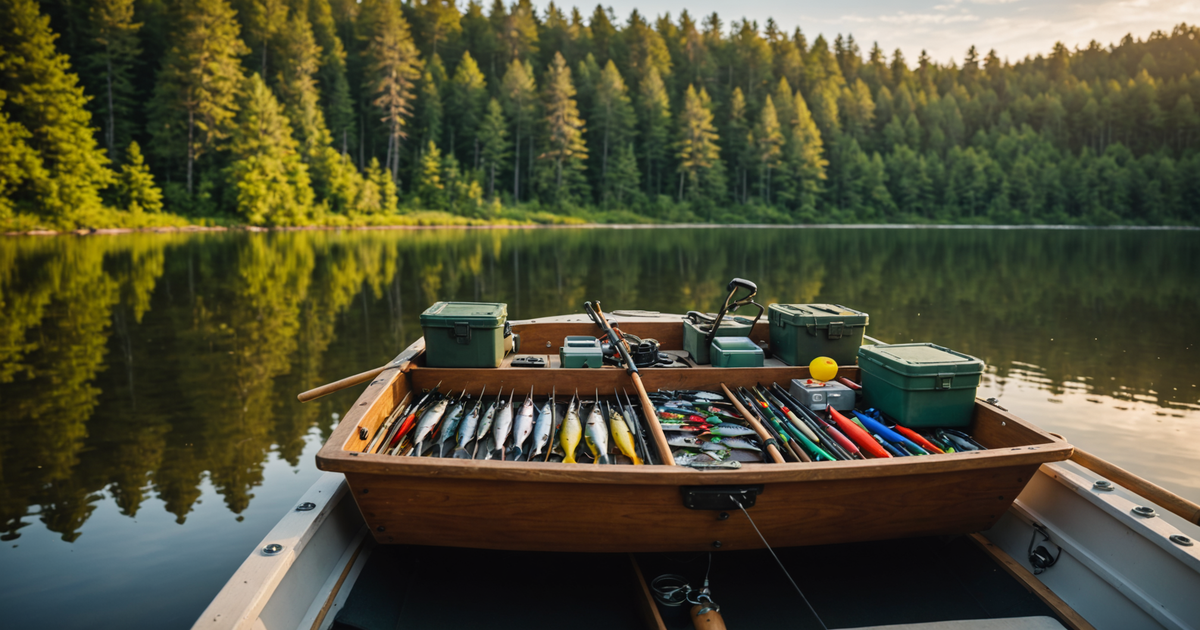
To maximise your success in pike fishing, you’ll need the right gear. A medium to heavy action rod with a sturdy reel is recommended, as pike are known for their strength and tenacity. Lures such as spoons, spinnerbaits, and soft plastics are effective in attracting pike. Additionally, consider bringing a pair of long-nose pliers for safely handling these toothy predators.
Fishing Techniques
Pike fishing requires both patience and skill. Casting near weed beds, submerged logs, or other structures is often productive, as pike tend to lurk in these areas waiting to ambush prey. Using a slow retrieval technique with occasional twitches can mimic the movement of a wounded fish, enticing pike to strike.
Conservation and Regulations
Fishing in Alaska is subject to specific regulations to preserve its rich natural resources. It’s crucial to familiarise yourself with the sport fishing regulations set by the Alaska Department of Fish and Game. These regulations include catch limits, size restrictions, and guidelines for catch and release. Practising responsible fishing helps ensure that Alaska’s waters remain abundant for future generations.
For those interested in sustainable practices, Alaska Adventure Guides’ sustainable practices section provides insights into how you can contribute to conservation efforts during your trip.
Other Activities Around Big Lake
While pike fishing is the main attraction, Big Lake offers a plethora of other outdoor activities. Kayaking, hiking, and wildlife viewing are popular among visitors. You can also explore the local culture and cuisine in nearby towns, making your fishing trip a complete Alaskan adventure.
For those looking to try their hand at other types of fishing, guided salmon fishing in Alaska is an excellent option to consider.
Conclusion
Big Lake, Alaska, is a premier destination for pike fishing enthusiasts. With its stunning natural beauty and rich aquatic life, it offers a unique and rewarding experience. Whether you’re seeking the thrill of battling a mighty pike or simply enjoying the serene environment, Big Lake delivers on all fronts. By planning your trip carefully and respecting local regulations, you can ensure a memorable fishing adventure that also respects the pristine Alaskan wilderness.
FAQ
1. What is the best time of year for pike fishing in Big Lake, Alaska?
The best time for pike fishing at Big Lake is from late spring to early autumn when the waters are warmer, and the fish are more active.
2. Do I need a fishing licence to fish in Big Lake?
Yes, you need a valid Alaska fishing licence, which can be purchased through the Alaska Department of Fish and Game.
3. Are there guided fishing trips available at Big Lake?
Yes, several companies offer guided fishing trips, providing local expertise and equipment. Alaska Adventure Guides is one such provider.
4. What type of gear do I need for pike fishing?
A medium to heavy action rod, a sturdy reel, and lures such as spoons and spinnerbaits are recommended for pike fishing.
5. Can I engage in other activities around Big Lake?
Absolutely, Big Lake offers kayaking, hiking, and wildlife viewing, in addition to fishing.
6. Are there any specific fishing regulations I should be aware of?
Yes, you should review the sport fishing regulations for Alaska to ensure compliance with local laws.
7. How do I book a trip to Big Lake for pike fishing?
You can book a trip through various travel websites and local guide services, such as Alaska Adventure Guides.
8. What other types of fishing can I try in Alaska?
Besides pike fishing, you can try fly fishing, salmon fishing, and more in Alaska’s diverse waters.