
Introduction
Fishing is not just about the thrill of the catch; it’s also about ensuring that the catch is legal and sustainable. One crucial aspect of legal fishing, especially in regions like Alaska, is adhering to size regulations for different fish species. Enter the fish measurer—a vital tool for any angler serious about compliance and conservation. This article explores the best fish measuring tools available, ensuring your catches are both accurate and within legal limits. For more detail, see official guidance.
Why Accurate Fish Measurement Matters
Accurate fish measurement is essential for several reasons. Primarily, it ensures you comply with local fishing regulations, which are in place to maintain healthy fish populations. In Alaska, for instance, fishing regulations provided by the Alaska Department of Fish and Game specify size limits to protect certain species and their habitats. For more detail, see further information.
Moreover, accurate measurements contribute to scientific research and data collection, helping authorities track fish populations and make informed decisions about fishing limits and seasons. For those interested in experiencing Alaska’s fishing opportunities, understanding these regulations is paramount. For more insights, you might explore this comprehensive guide to Alaska fishing charters. For more detail, see detailed advice.
Types of Fish Measuring Tools
Measuring Boards. For more detail, see planning resources.
Measuring boards are the most traditional and straightforward tools for fish measurement. They typically consist of a flat board with a ruler or scale marked on it. These boards are ideal for their accuracy and ease of use, making them a popular choice among recreational and professional anglers alike. The Alaska Adventure Guides recommend these for their reliability and precision. For more detail, see local insights.
Measuring Tapes
Measuring tapes offer flexibility and portability, allowing anglers to measure fish of varying sizes with ease. These tapes often come with durable, water-resistant materials suitable for rugged outdoor conditions. They are especially useful for large fish that may not fit comfortably on a standard measuring board.
Digital Fish Scales with Built-in Measuring Tape
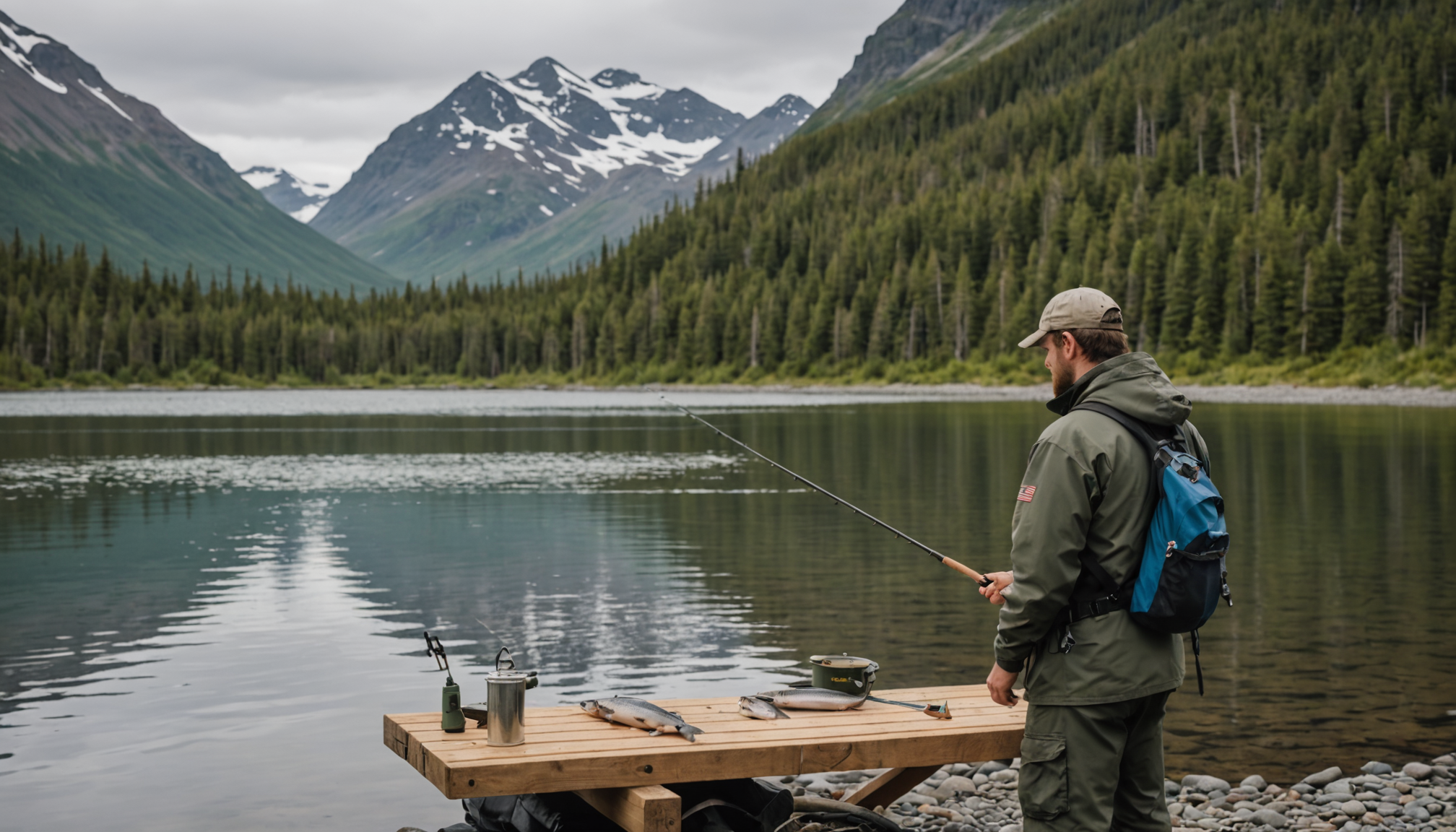
Modern technology has introduced digital fish scales that include built-in measuring tapes. These devices provide both the weight and length of the fish, offering a comprehensive measurement solution. They are particularly beneficial in competitive fishing scenarios where precision is crucial.
Fish Measuring Apps
For tech-savvy anglers, fish measuring apps provide a digital alternative. These apps use your smartphone’s camera to measure fish length accurately. While they offer convenience, their accuracy can vary, and they should be used in conjunction with physical measuring tools to ensure compliance with legal standards.
How to Use Fish Measuring Tools Effectively
Using fish measuring tools correctly is as important as having them. Always measure fish from the tip of the snout to the end of the tail fin, ensuring the fish is lying flat and straight. It’s vital to follow the Alaska fishing regulations closely to avoid any legal issues.
Choosing the Right Fish Measurer for Your Needs
Selecting the right fish measurer depends on several factors, including the type of fish you typically catch and your fishing environment. In Alaska, where fish size can vary significantly, having a combination of tools may be beneficial. For instance, a measuring board could be ideal for smaller fish, while a digital scale with a tape might be best for larger catches.
Conclusion
Investing in the right fish measuring tools is essential for every angler committed to legal and responsible fishing. Whether you opt for a traditional measuring board, a portable tape, or a high-tech digital scale, ensuring accurate measurements will benefit both your fishing experience and the environment. For those planning a fishing adventure in Alaska, understanding and adhering to local regulations will enhance your trip and contribute to sustainable fishing practices.
FAQ
What is the most accurate fish measurer?
The most accurate fish measurer is typically a measuring board due to its simplicity and precision in providing direct measurements.
Can digital fish scales replace traditional tools?
While digital fish scales offer convenience by providing both weight and length, they should complement, rather than replace, traditional tools for the most accurate results.
Are fish measuring apps reliable?
Fish measuring apps can be useful, but their accuracy can vary. They are best used as a supplementary tool alongside physical measuring devices.
Why are fish size limits important?
Fish size limits help maintain healthy fish populations by ensuring that young fish have an opportunity to mature and reproduce, supporting sustainable fishing practices.
What should I do if I accidentally catch an undersized fish?
If you catch an undersized fish, it is crucial to release it back into the water immediately, following the catch and release guidelines provided by local authorities.
Where can I find more information on Alaska’s fishing regulations?
The Alaska Department of Fish and Game’s website is an excellent resource for the latest fishing regulations and guidelines.
How do I choose the best fish measuring tool for Alaskan fishing?
Consider the type of fish you are targeting, the fishing environment, and your personal preferences. A combination of a measuring board and a digital scale is often recommended for versatility.
Is it necessary to measure every fish I catch?
Yes, measuring every fish ensures compliance with legal size limits and contributes to ethical angling practices.