
Introduction
Fishing for halibut in Alaska is an experience like no other, offering a unique blend of excitement and tranquillity amidst some of the most stunning natural landscapes in the world. The icy waters of Alaska are teeming with these flatfish giants, making it a prime destination for anglers from around the globe. This starter guide aims to equip you with the essential knowledge needed to embark on a halibut fishing adventure, covering aspects such as bait, fishing depth, and timing. Whether you’re an enthusiastic novice or an experienced angler, this guide will help you make the most of your Alaskan fishing expedition. For more detail, see official guidance.
Understanding Halibut and Their Habitat
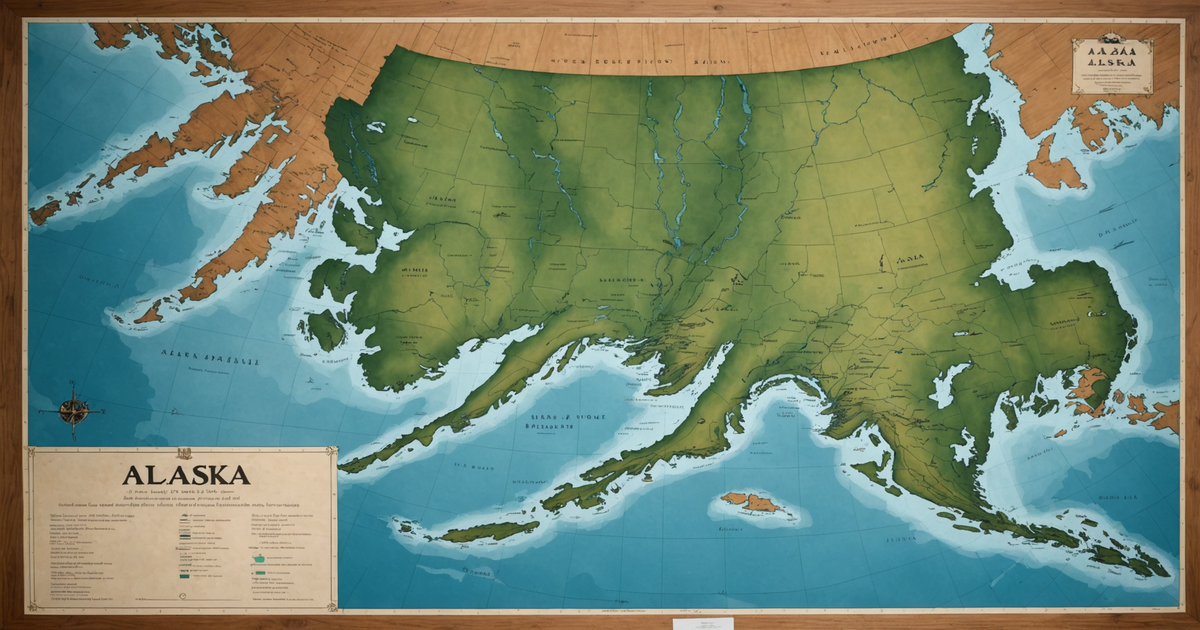
Halibut are the largest of all flatfish and can be found in abundance in the North Pacific Ocean. In Alaska, they are commonly found in the Gulf of Alaska, the Bering Sea, and the waters around the Aleutian Islands. These remarkable fish are known for their distinctive flattened body, which allows them to blend seamlessly with the ocean floor. They inhabit depths ranging from 90 to 900 feet, typically favouring areas with rocky bottoms or other structures where they can ambush prey. For more detail, see further information.
Essential Gear and Equipment
To successfully fish for halibut in Alaska, you’ll need the right gear. A sturdy fishing rod, capable of handling the weight of a substantial halibut, is essential. Opt for a rod that is at least six feet long with a heavy action. Pair this with a robust reel, designed to withstand the pressure of deep-sea fishing. . For more detail, see detailed advice.
Fishing lines should be strong and durable, with braided lines being a popular choice due to their strength and resistance to abrasion. It’s advisable to use a line of at least 80-pound test to ensure it can handle the force of a large halibut. For more detailed equipment guides, consider exploring the fishing equipment section of Alaska Adventure Guides. For more detail, see planning resources.
Selecting the Right Bait
Choosing the right bait is crucial for successful halibut fishing. Natural baits such as herring, octopus, and squid are highly effective, as their scent and movement attract halibut. These baits can be used alone or in combination with artificial lures to increase your chances of a bite. . For more detail, see local insights.
When selecting bait, consider the local regulations, which can be found on the Alaska Department of Fish and Game’s website. This will ensure you remain within legal fishing practices and contribute to sustainable fishing efforts.
Optimal Fishing Depth and Timing
Halibut fishing is most productive at specific depths and times of the year. The best fishing usually occurs in shallower waters during the spring and early summer when halibut move closer to shore for spawning. As the season progresses, they return to deeper waters, making it necessary to adjust your techniques.
Fishing at depths of 200 to 300 feet is generally recommended, but this can vary based on the specific location and time of year. For a more comprehensive exploration of fishing strategies, the guided salmon fishing in Alaska can offer useful insights that are adaptable for halibut fishing.
Regulations and Licensing
Before setting out on your fishing adventure, it’s vital to familiarise yourself with the local regulations. Licensing is mandatory in Alaska, and specific halibut catch limits are enforced to ensure sustainability. The NOAA Fisheries provides detailed information on the rules and regulations you’ll need to follow.
Additionally, be aware of the federal regulations which may affect your fishing plans, particularly if you’re fishing in areas governed by more stringent rules.
Conclusion
Fishing for halibut in Alaska is not just about the catch; it’s about the entire experience. The breathtaking landscapes, the challenge of the catch, and the joy of being in nature make it an unforgettable adventure. Equipped with the knowledge from this guide, you’re ready to embark on your Alaskan fishing journey. Remember to respect the environment and adhere to regulations to ensure these waters remain rich with life for generations to come.
FAQ
What is the best time of year to fish for halibut in Alaska?
The prime season for halibut fishing is from May to September, with peak activity typically occurring in June and July.
Do I need a special licence to fish for halibut in Alaska?
Yes, a fishing licence is required, which you can obtain from the Alaska Department of Fish and Game.
Can I fish for halibut independently, or do I need a guide?
While you can fish independently, hiring a guide can enhance your experience by providing local knowledge and expertise. Check out guided fishing tours for more information.
What is the average size of halibut caught in Alaska?
Halibut can vary significantly in size, but they typically range from 20 to 100 pounds, with some “barn doors” exceeding 300 pounds.
Are there any catch limits for halibut in Alaska?
Yes, there are specific catch limits in place to ensure sustainable fishing practices. Refer to the sport fishing regulations for the latest updates.
What should I wear for halibut fishing in Alaska?
Dress in layers and wear waterproof gear to protect against the cold and wet conditions. A good pair of non-slip boots is also recommended.
How deep do I need to fish for halibut?
During peak season, fishing at depths of 200 to 300 feet is ideal. However, adjustments may be necessary based on location and time of year.
Can I use artificial lures for halibut fishing?
Yes, artificial lures can be effective, especially when used in combination with natural bait.