
Introduction
Fishing for salmon sharks in the pristine waters of Alaska is not just a thrilling adventure but also an opportunity to explore the rich marine biodiversity that this region has to offer. Salmon sharks, often mistaken for their more famous cousin, the great white shark, are formidable predators that roam the cold Alaskan seas. This blog post aims to provide an in-depth look into the experience of fishing for salmon sharks, delving into the techniques, regulations, and the ecological significance of these fascinating creatures. Whether you are a seasoned angler or a curious beginner, understanding the nuances of salmon shark fishing can enrich your Alaskan adventure. For more detail, see official guidance.
The Appeal of Salmon Shark Fishing
Salmon sharks (Lamna ditropis) are a sought-after species for anglers due to their size, strength, and the challenge they present. These sharks can grow up to ten feet in length and weigh between 450 to 600 pounds, making them one of the larger species found in the North Pacific Ocean. Their presence in Alaskan waters is closely tied to the seasonal runs of salmon, which make up a significant part of their diet. For more detail, see further information.
Understanding the Habitat. For more detail, see detailed advice.
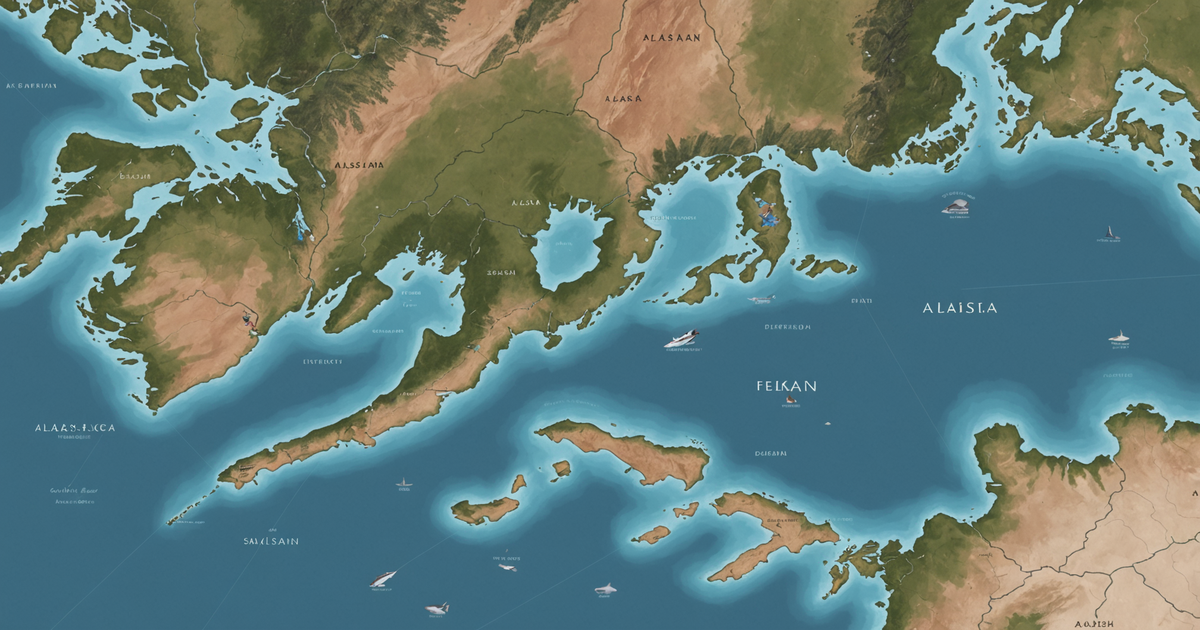
The coastal waters of Alaska, with their abundant food supply and suitable environmental conditions, provide an ideal habitat for salmon sharks. These areas include the Gulf of Alaska and the Bering Sea, where salmon sharks are often found following schools of salmon. Anglers interested in targeting these sharks should focus on fishing during the summer months when salmon runs are at their peak, offering the best chances for encounters. For more detail, see planning resources.
Fishing Techniques and Gear. For more detail, see local insights.
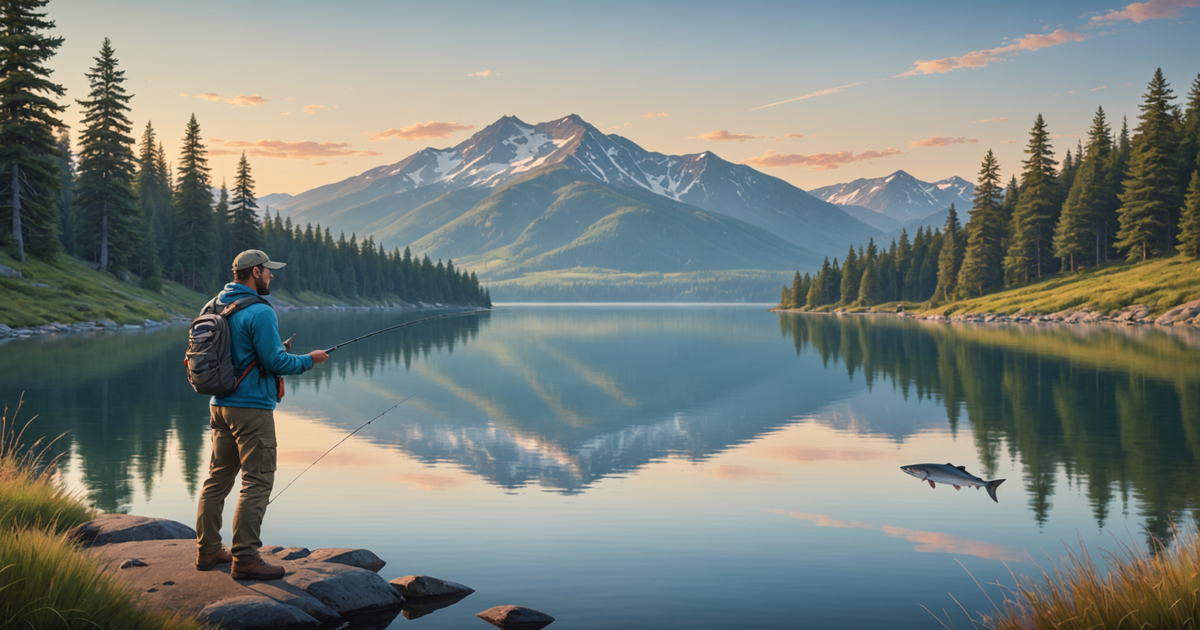
When it comes to fishing for salmon sharks, employing the right techniques and equipment is crucial. Anglers typically use heavy-duty rods and reels capable of handling the immense power of these sharks. Baiting techniques often involve the use of large, oily fish like herring or mackerel to attract the sharks. Chumming, which involves scattering bait in the water to draw in sharks, is a common practice in salmon shark fishing.
For those looking to refine their fishing techniques, Alaska Adventure Guides offer a wealth of resources and tips to enhance your experience. Additionally, understanding the right size and setup for jig heads can be beneficial for those targeting these powerful predators.
Conservation and Ethical Considerations
Fishing for salmon sharks requires adherence to strict regulations to ensure sustainable practices. The Alaska Department of Fish and Game provides comprehensive guidelines on catch limits and permitted fishing methods. Ethical angling involves not only following these regulations but also practising catch and release whenever possible to minimise the impact on the shark population.
The Role of Salmon Sharks in the Ecosystem
Salmon sharks play a vital role in maintaining the balance of marine ecosystems. As apex predators, they help regulate the populations of their prey, which includes salmon, squid, and other fish species. This top-down control is essential for the health of the marine environment, making the conservation of salmon sharks crucial for the overall ecological integrity of Alaskan waters.
Planning Your Alaskan Fishing Adventure
For those eager to experience the thrill of fishing for salmon sharks, planning is key. The best time to catch halibut in Alaska often coincides with prime salmon shark fishing periods, allowing anglers to target multiple species during their trip. Additionally, exploring the Raven Glacier and other natural wonders can complement your fishing expedition, offering a well-rounded Alaskan experience.
For further guidance on planning your fishing trip, Travel Alaska provides extensive resources on travel logistics, accommodations, and local attractions.
Conclusion
Fishing for salmon sharks in Alaska is more than just a sport; it’s an opportunity to engage with one of nature’s most formidable species in a setting that is both breathtaking and challenging. By understanding the techniques, regulations, and ecological significance of these sharks, anglers can contribute to their conservation while enjoying the thrill of the catch. Whether you are lured by the challenge or the chance to explore Alaska’s natural beauty, salmon shark fishing is an experience that promises to leave a lasting impression.
FAQ
What is the best time of year to fish for salmon sharks in Alaska?
The best time to fish for salmon sharks is during the summer months, particularly from July to September, when salmon runs are abundant.
What equipment do I need for salmon shark fishing?
Heavy-duty rods and reels, along with large, oily bait like herring or mackerel, are essential for salmon shark fishing. It’s also advisable to have appropriate safety gear and a knowledgeable guide.
Are there any regulations for fishing salmon sharks in Alaska?
Yes, the Alaska Department of Fish and Game provides specific regulations regarding catch limits and permitted fishing methods.
Can I practice catch and release with salmon sharks?
Yes, catch and release is encouraged to help conserve the salmon shark population and maintain ecological balance.
What role do salmon sharks play in the ecosystem?
Salmon sharks are apex predators that help regulate the populations of their prey, contributing to the overall health of the marine environment.
Are there guided tours available for salmon shark fishing?
Yes, several fishing guides and tour operators offer guided salmon shark fishing trips to ensure a safe and successful experience.
What other activities can I do in Alaska while on a fishing trip?
In addition to fishing, you can explore natural attractions like Raven Glacier or participate in other outdoor activities such as hiking and wildlife viewing.