
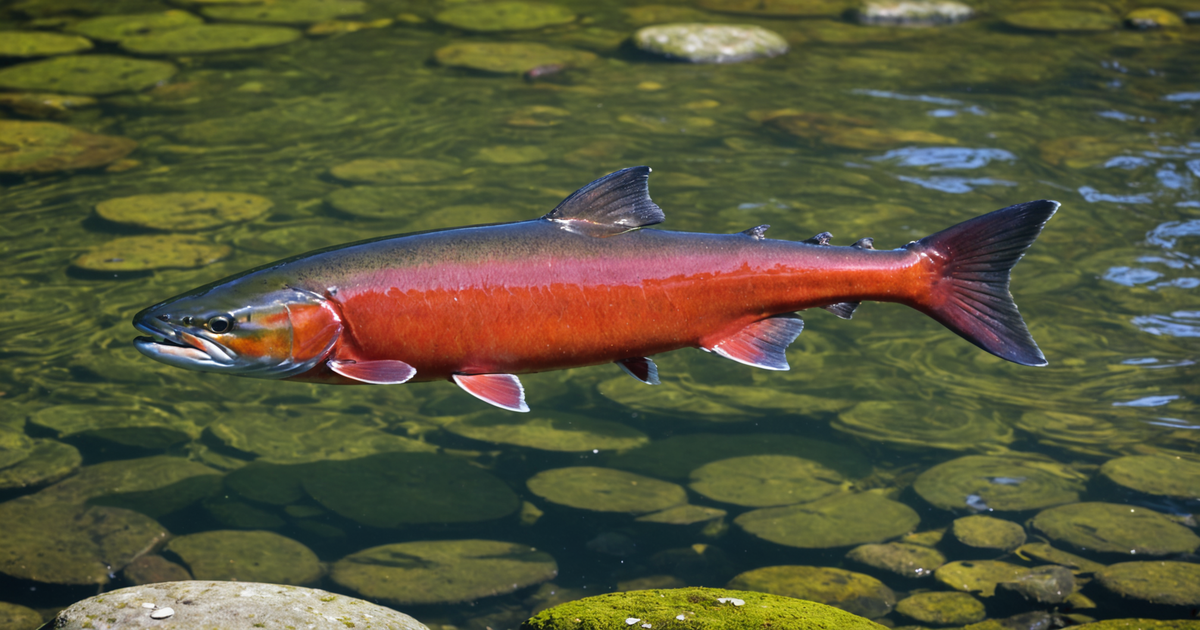
Introduction
Alaska, a land of untamed wilderness and majestic beauty, is a paradise for those who seek the thrill of fishing. Among the many aquatic treasures that Alaska’s waters hold, the five salmon species stand out as the crown jewels. These species—Chinook, Coho, Sockeye, Pink, and Chum—are not only vital to the ecosystem but also to the culture and economy of the region. In this comprehensive guide, we will explore each of these salmon species in detail, providing insights into their unique characteristics and the best practices for fishing them in the pristine waters of Alaska. For more detail, see official guidance.
The Five Salmon Species of Alaska
Chinook Salmon. For more detail, see further information.
The Chinook salmon, also known as the King salmon, is the largest and most prized among the five salmon species. Known for their impressive size, Chinooks can weigh up to 100 pounds and are renowned for their fighting spirit, making them a favourite among anglers. For more detail, see detailed advice.
Chinook salmon are typically found in larger rivers during their spawning season, which generally occurs from May through July. For those keen on catching this magnificent fish, understanding the best float fishing rigs for clear water is crucial, as these techniques can significantly increase your chances of success. For more detail, see planning resources.
Coho Salmon. For more detail, see local insights.
Coho salmon, or Silver salmon, are celebrated for their acrobatic displays when hooked. These medium-sized fish, often weighing between 8 to 12 pounds, are abundant in Alaska from late July to November. Their silver sides and vibrant red bellies during spawning make them a striking sight.
Fishing for Coho salmon often involves the use of spin-casting or fly-fishing techniques. The Coho’s preference for smaller streams and estuaries makes it essential to explore fishing techniques that suit these environments.
Sockeye Salmon
Sockeye salmon, known as Red salmon, are famous for their brilliant red spawning colour. They are smaller than Chinook and Coho, typically weighing between 4 to 8 pounds. Sockeyes are unique in that they are filter feeders, primarily consuming plankton.
The peak season for Sockeye fishing in Alaska is from June to August. Anglers often find success using fly-fishing methods, targeting them in their preferred lake and river habitats. For those new to Sockeye fishing, a Kasilof River fishing guide for first-timers can be invaluable.
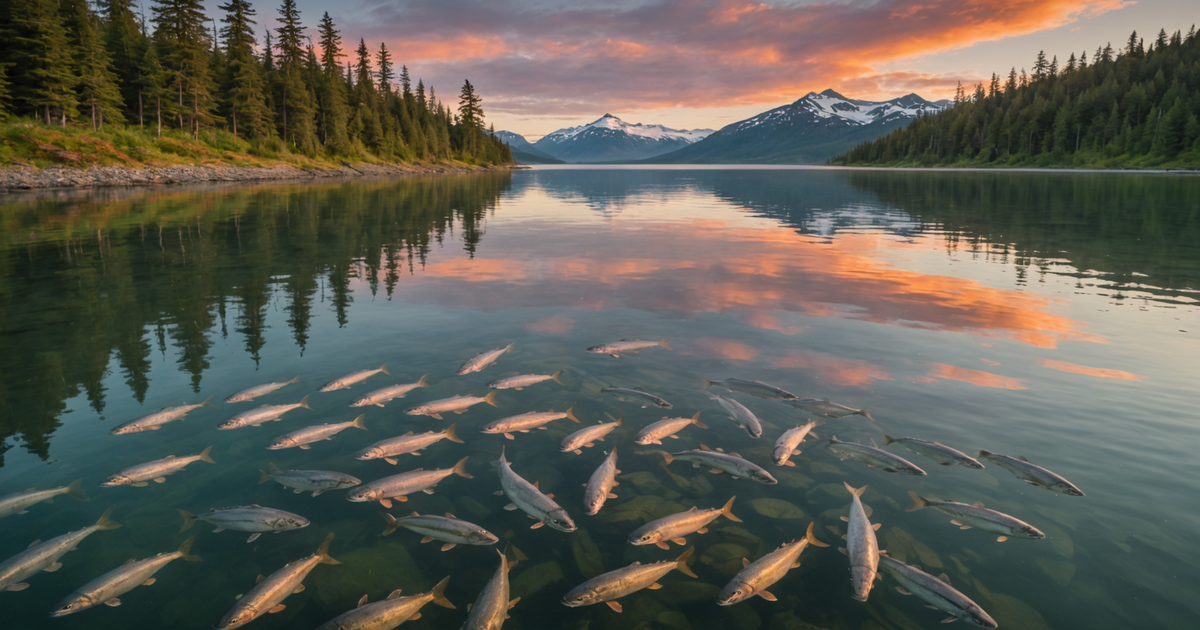
Pink Salmon
Pink salmon, or Humpies, are the smallest of the five salmon species, generally weighing 3 to 5 pounds. Despite their size, they are the most abundant, with a biennial migration pattern peaking in odd-numbered years. Pinks are easily identifiable by the distinctive hump that the males develop as they reach spawning grounds.
Fishing for Pink salmon is ideal for beginners due to their abundance and willingness to bite. They are commonly found in coastal streams and estuaries, making them accessible targets for anglers visiting Alaska. For more information on planning a successful fishing trip, visit Travel Alaska.
Chum Salmon
Chum salmon, also known as Dog salmon, are notable for their robust build and unique coloration during spawning, which includes vertical bars of purple and green. They are a versatile species, found in both freshwater and saltwater environments. Chums typically weigh between 10 to 15 pounds.
The Chum salmon run occurs from June to September. They are often targeted using similar techniques to those used for other salmon species, but anglers need to be aware of their strong fighting abilities. Exploring fishing equipment suited to Chum salmon can enhance your fishing experience.
Conclusion
Alaska’s five salmon species offer diverse and thrilling fishing opportunities for anglers of all skill levels. Whether you are pursuing the mighty Chinook or the abundant Pink, each species presents its own set of challenges and rewards. Understanding the characteristics and habitats of these salmon is essential for a successful fishing adventure.
For those planning to fish in Alaska, it’s important to adhere to local regulations and guidelines. The Alaska Department of Fish and Game provides comprehensive information on fishing seasons, limits, and conservation efforts. Additionally, consider engaging with local fishing guides who offer invaluable expertise and insights into the best fishing spots.
FAQ
What are the five salmon species found in Alaska?
The five salmon species found in Alaska are Chinook (King), Coho (Silver), Sockeye (Red), Pink (Humpy), and Chum (Dog) salmon.
When is the best time to fish for salmon in Alaska?
The best time to fish for salmon in Alaska varies by species, but generally, from May through September covers the peak seasons for most salmon species. For specific timing, refer to the Alaska salmon season guide.
Where can I find the best fishing spots in Alaska?
Alaska offers numerous fishing destinations, including the Kenai River, Kasilof River, and various coastal streams. Check out destinations for more information.
What gear is recommended for salmon fishing in Alaska?
The gear required will depend on the species and fishing method. However, a sturdy rod and reel, appropriate tackle, and waders are commonly recommended. Explore fishing equipment for more details.
Are guided fishing tours available in Alaska?
Yes, guided fishing tours are widely available and highly recommended for first-time visitors to benefit from local expertise. Visit Alaska Adventure Guides to learn more.
How do I ensure my fishing trip is environmentally responsible?
Practising catch and release, adhering to regulations, and supporting sustainable practices are key to ensuring an environmentally responsible fishing trip. Learn more about sustainable practices in Alaska.
What is the significance of salmon to Alaska’s ecosystem?
Salmon play a crucial role in Alaska’s ecosystem by providing nutrients to both aquatic and terrestrial environments. They are vital to the food chain and local culture.
How can I prepare for unexpected weather conditions while fishing in Alaska?
Alaska’s weather can be unpredictable. It’s important to dress in layers, carry rain gear, and always check the weather forecast before heading out.