
Introduction
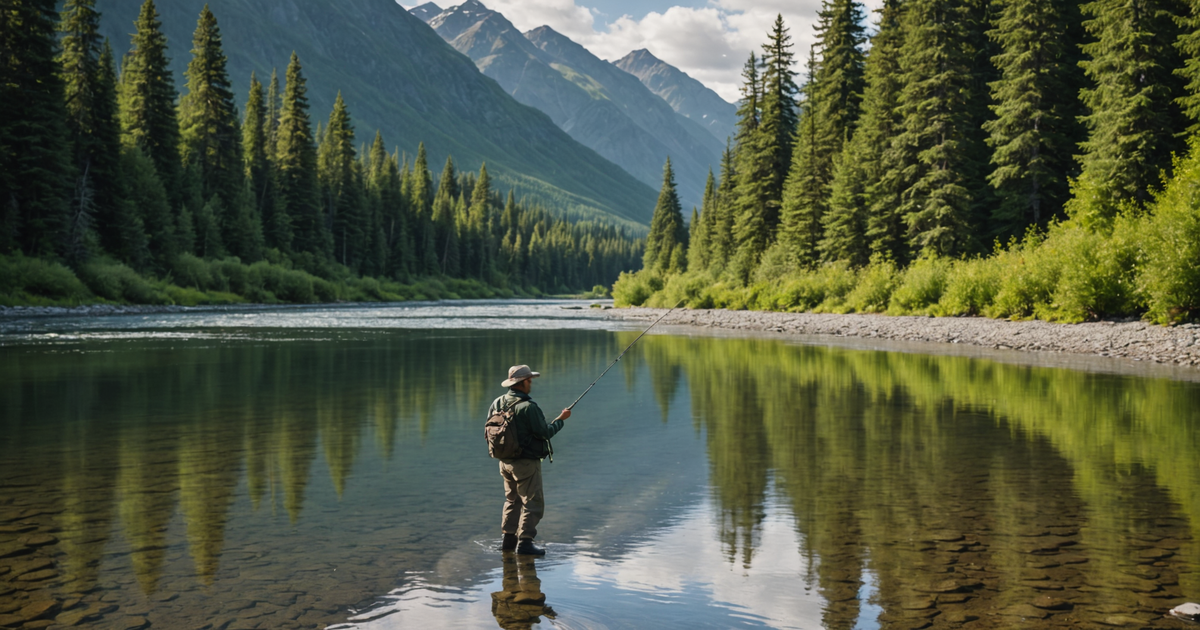
Alaska, often dubbed the “Last Frontier,” is a paradise for anglers seeking the thrill of fly fishing for sockeye salmon. Known for its breathtaking landscapes and abundant wildlife, Alaska offers one of the most exhilarating fishing experiences in the world. Fly fishing for sockeye salmon is not just a sport—it’s a journey into the heart of nature, where skill and patience meet opportunity. In this guide, we will explore the intricacies of fly fishing sockeye salmon in Alaska, including the benefits of guided trips, best practices, and what makes this location a top choice for anglers worldwide. For more detail, see official guidance.
The Allure of Fly Fishing Sockeye Salmon in Alaska
Why Alaska? For more detail, see further information.
Alaska’s pristine waters and diverse ecosystems make it a premier destination for fly fishing enthusiasts. The state’s vast network of rivers and streams provides a natural habitat for sockeye salmon, known for their vibrant colours and challenging catch. The Kenai Peninsula is one of the prime spots where sockeye salmon run in abundance, offering anglers an unparalleled fishing experience. For more detail, see detailed advice.
The Role of Guided Trips. For more detail, see planning resources.
Embarking on a guided trip can significantly enhance your fishing adventure. Local guides possess intimate knowledge of the best fishing spots, seasonal patterns, and effective techniques. They ensure a safe and successful outing, allowing you to focus on the thrill of the catch. Moreover, guides often provide fishing equipment and tackle that are optimised for local conditions, further enhancing your chances of a successful day on the water. For more detail, see local insights.
Best Time to Fish
The peak season for sockeye salmon in Alaska typically runs from mid-June to late July. During this time, the salmon make their annual migration from the ocean to freshwater streams to spawn. Timing is crucial, as catching the run at its peak can make all the difference in your fishing success.
Essential Techniques for Fly Fishing Sockeye Salmon
Tackle and Gear
Selecting the right tackle and gear is critical for a successful fishing trip. A medium to fast action fly rod, typically 8 to 10 weight, is ideal for handling the powerful sockeye. Pair this with a durable reel equipped with a smooth drag system. The choice of fly is equally important; patterns such as the Sockeye Lantern and Russian River Fly are popular among local anglers.
Casting Techniques
Mastering your casting technique is essential when fly fishing for sockeye salmon. Since these fish often travel in schools, accurate casting is necessary to land your fly in the right spot. Practising roll casting and mending will help you manage your line effectively, especially in swift currents.
Reading the Water
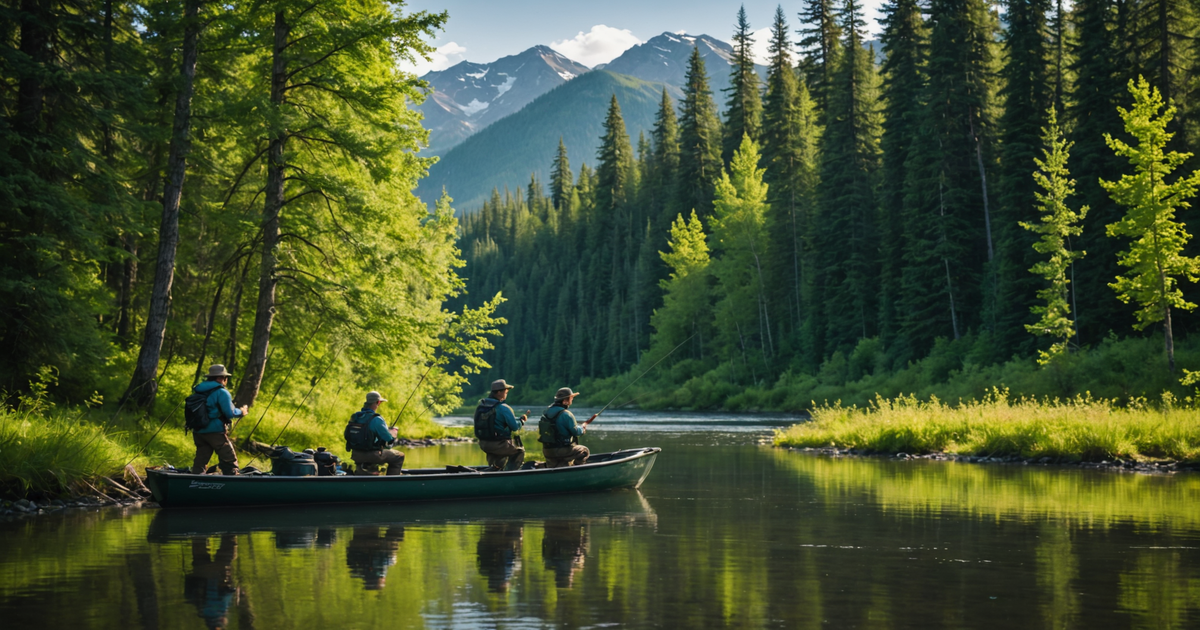
Understanding how to read the water can significantly impact your fishing success. Look for areas where the current slows down, such as eddies or behind large rocks. Sockeye salmon often rest in these spots, making them excellent targets for fly fishing.
Planning Your Trip
Choosing the Right Destination
Alaska boasts numerous locations perfect for sockeye salmon fishing. The Kenai River is famous for its large sockeye runs, while the Russian River offers a more remote and tranquil setting. Each location has its unique attributes, so consider what type of experience you desire when choosing your destination.
Regulations and Licensing
Before you wet your line, ensure you are familiar with Alaska’s fishing regulations. A valid fishing licence is required for all anglers, and specific rules may apply to different regions. Visit the Alaska Department of Fish and Game for detailed information on fishing regulations and to purchase your licence.
Booking a Guide
Booking a guide in advance is recommended to secure your spot, especially during peak season. Guides can tailor the trip to your skill level and preferences, ensuring a memorable experience. For more information on guided trips, explore this resource.
Conclusion
Fly fishing for sockeye salmon in Alaska is an unforgettable adventure that combines skill, patience, and a deep connection with nature. Whether you’re a seasoned angler or a beginner, Alaska’s pristine rivers and expert guides offer an unparalleled experience. By understanding the seasonal patterns, mastering essential techniques, and planning your trip with care, you can enjoy a successful and rewarding fishing adventure.
FAQ
What is the best time of year to fly fish for sockeye salmon in Alaska?
The best time to fly fish for sockeye salmon in Alaska is from mid-June to late July, during their peak migration to freshwater streams.
Do I need a fishing licence to fish in Alaska?
Yes, a valid fishing licence is required for all anglers in Alaska. You can purchase one through the Alaska Department of Fish and Game.
Can beginners fly fish for sockeye salmon in Alaska?
Absolutely! Many guides cater to beginners and provide instruction on basic techniques, making it accessible for all skill levels.
What gear is recommended for fly fishing sockeye salmon?
A medium to fast action fly rod, 8 to 10 weight, with a durable reel and smooth drag system is ideal. Popular fly patterns include the Sockeye Lantern and Russian River Fly.
Are there any specific regulations I should be aware of?
Yes, Alaska has specific fishing regulations that vary by region. It’s important to review the current regulations before your trip.
How can I find a reputable guide for my fishing trip?
Researching online and reading reviews can help you find a reputable guide. You can also explore this guide for more information on planning your trip.
What are the benefits of hiring a guide for my fishing trip?
Guides provide local knowledge, safety, and equipment, enhancing your overall experience and increasing your chances of a successful catch.
Where are the best places to fly fish for sockeye salmon in Alaska?
The Kenai River and Russian River are popular destinations, each offering unique fishing experiences in stunning natural settings.