
Introduction
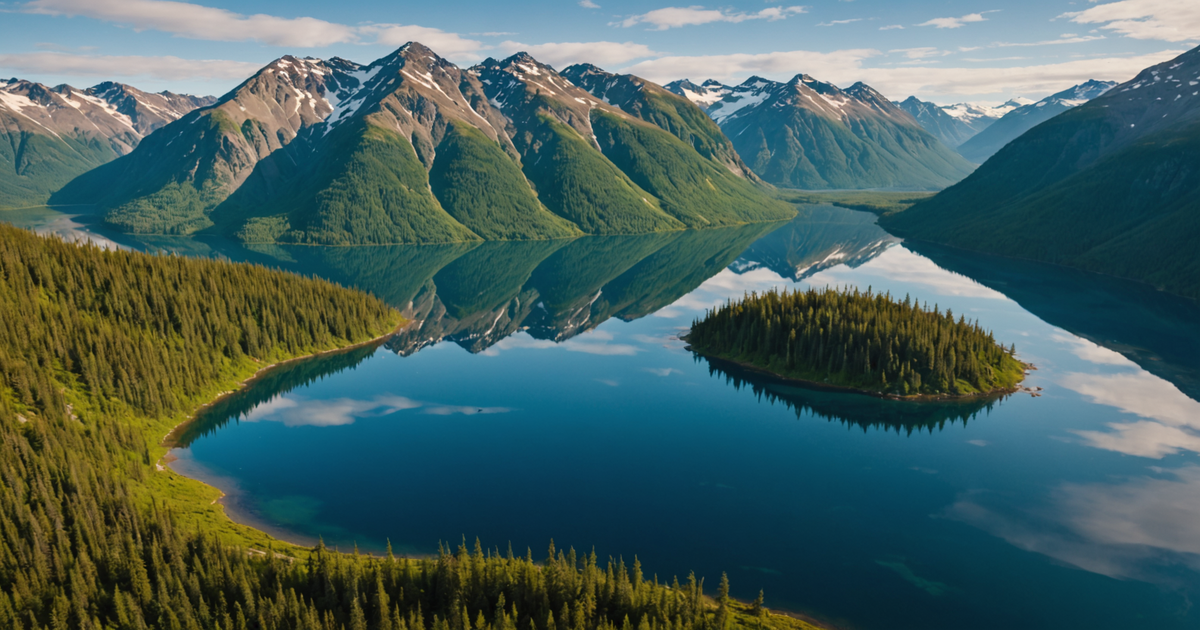
Fly-in pike fishing in Alaska is the epitome of adventure angling, offering unparalleled access to some of the most remote and pristine fishing locations in the world. Imagine boarding a bush plane, soaring over endless stretches of wilderness, and landing on secluded lakes teeming with Northern Pike. This experience promises not only a chance to catch trophy-sized fish but also to immerse oneself in the breathtaking beauty of Alaska’s untouched landscapes. In this guide, we’ll explore everything you need to know about embarking on a fly-in pike fishing adventure in Alaska, from the best locations and techniques to travel tips and regulations. For more detail, see official guidance.
Why Choose Fly-In Pike Fishing in Alaska?
Alaska is a vast frontier, home to countless rivers and lakes that are inaccessible by road. The allure of fly-in fishing is the ability to reach these remote spots where the fish are abundant, and the scenery is spectacular. Northern Pike, known for their size and aggressive behaviour, are a prime target for anglers seeking both challenge and reward. For more detail, see further information.
The Ultimate Fishing Experience. For more detail, see detailed advice.
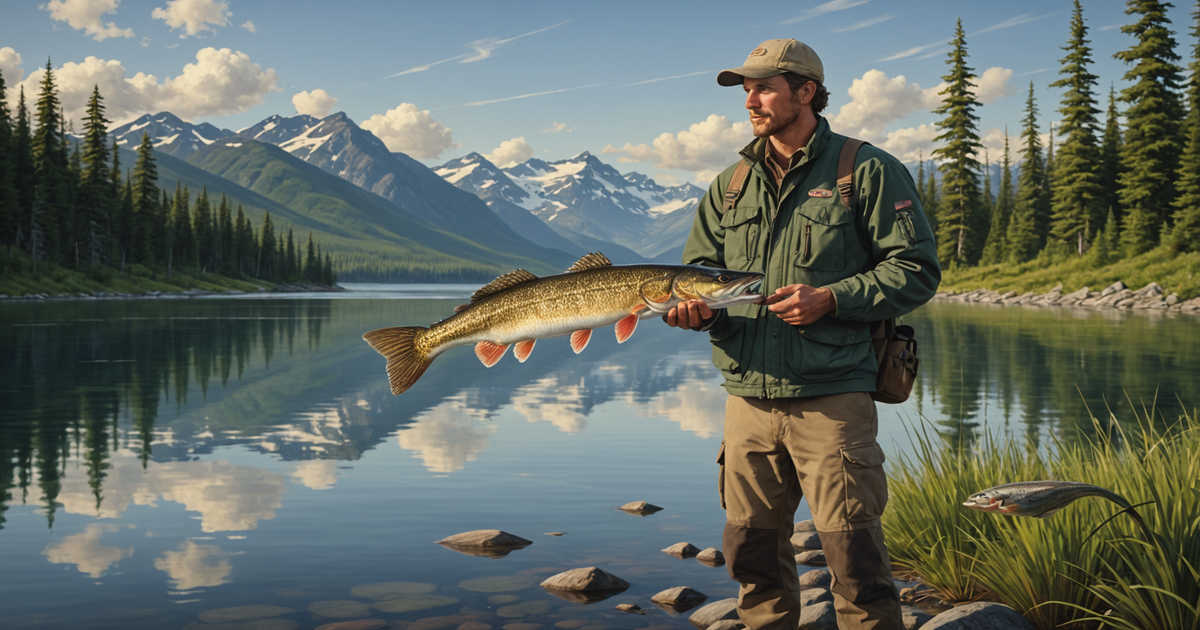
Fly-in pike fishing offers the perfect blend of thrill and tranquillity. The journey begins with a scenic flight over the Alaskan wilderness, providing breathtaking views of snow-capped mountains and glacial rivers. Once you arrive at your destination, the real adventure begins. Remote lakes and rivers offer solitude and the promise of catching pike that can grow over 20 pounds. For more detail, see planning resources.
The Ideal Locations. For more detail, see local insights.
Some of the best fly-in fishing spots are located in regions like the Chulitna River and other untouched areas of Alaska. These locations are carefully chosen for their abundance of fish and natural beauty. For a comprehensive guide, Alaska Adventure Guides provide detailed information on accessing these remote spots.
Planning Your Fly-In Fishing Trip
When to Go
The best time for fly-in pike fishing in Alaska is from late spring to early autumn, generally May through September. During these months, the weather is more favourable, and the fish are more active. It’s crucial to check the Alaska Department of Fish and Game for specific open seasons and regulations.
What to Bring
Successful pike fishing in Alaska requires the right gear. A sturdy fishing rod, high-quality reels, and strong lines are essential. For lures, consider using plug fishing lures that hammer big fish. Given the unpredictable weather, pack layered clothing, waterproof boots, and rain gear.
Regulations and Conservation
Fishing in Alaska comes with the responsibility to respect local regulations and conservation efforts. Familiarise yourself with the rules by visiting the NOAA Fisheries site and ensure you have the necessary permits. Practising catch-and-release where appropriate helps maintain the fish populations for future generations.
The Unique Challenges of Fly-In Fishing
Adapting to the Environment
Fishing in remote Alaska requires adaptability. The weather can change rapidly, and conditions may be challenging. Understanding the local environment and being prepared for various scenarios is crucial. Websites like Weather.gov provide reliable forecasts to help plan your trip.
Safety Considerations
Safety is a priority when flying into remote areas. Always fly with reputable operators and ensure that they follow strict safety protocols. Carrying a satellite phone or GPS can be invaluable in case of emergencies. Alaska Adventure Guides recommend thorough preparation to ensure a safe and enjoyable trip.
Conclusion
Fly-in pike fishing in Alaska offers an unforgettable experience that combines the thrill of angling with the serene beauty of untouched wilderness. By carefully planning your trip and respecting local regulations, you can enjoy a successful adventure that leaves lasting memories. For those passionate about fishing, Alaska’s remote waters present an unparalleled opportunity to connect with nature and capture the fish of a lifetime.
FAQ
What is the best time of year for fly-in pike fishing in Alaska?
The prime months for fly-in pike fishing in Alaska are May through September when the weather is more predictable, and the fish are most active.
What kind of gear do I need for pike fishing in Alaska?
You’ll need a durable fishing rod, high-quality reels, and strong lines. Consider using plug lures for big fish and pack appropriate clothing for variable weather conditions.
Are there specific regulations I need to be aware of?
Yes, it’s important to check the Alaska Department of Fish and Game for up-to-date regulations and ensure you have the correct permits.
What safety precautions should I take?
Always travel with reputable operators who adhere to safety standards, and consider carrying a satellite phone or GPS device. Check reliable weather forecasts via Weather.gov.
Can I practice catch-and-release fishing?
Yes, catch-and-release is encouraged to conserve fish populations. It’s essential to handle the fish carefully to ensure their survival.
How do I choose a reputable fly-in fishing service?
Research operators thoroughly, looking for those with a strong safety record and positive reviews. Alaska Adventure Guides offers insights into trusted operators.
What other activities can I do in Alaska?
Alaska offers a variety of outdoor activities, including kayak flyfishing and exploring its stunning landscapes. Consider visiting Alaska.org for more ideas.
Is it necessary to hire a guide for fly-in fishing?
While not mandatory, hiring a guide can enhance your experience by providing local expertise and increasing your chances of a successful fishing trip.