
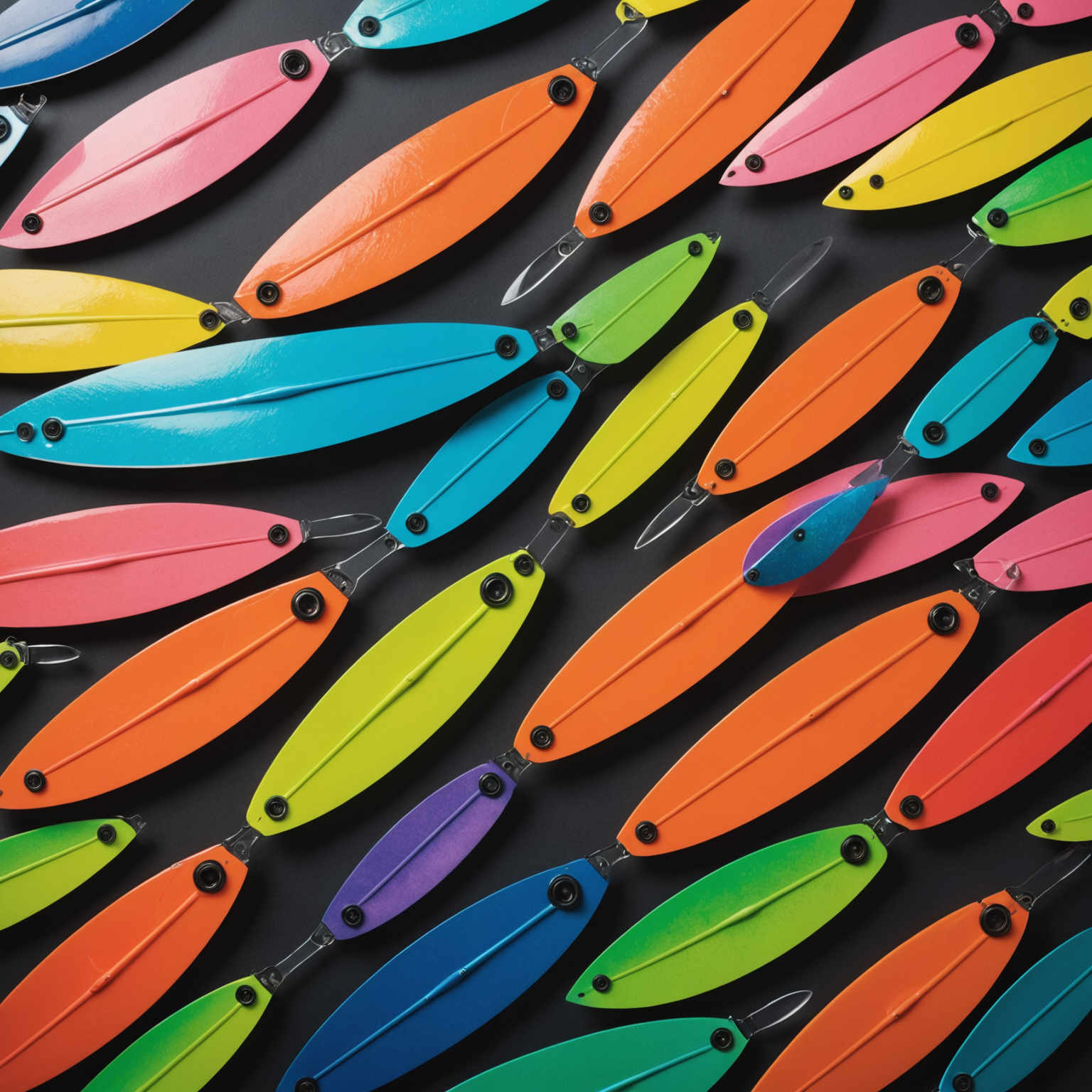
High-Spin Salmon Spinners That Get Bit
In the realm of angling, success often hinges on the tiniest of details. When it comes to salmon fishing, using the right spinner can make the difference between a fruitful day on the water and coming home empty-handed. High-spin salmon spinners are an essential tool for any angler looking to maximise their catch rate. Designed to perform optimally in both clear and murky waters, these spinners are engineered to mimic the natural movements and flash of baitfish, enticing even the most elusive salmon to bite.
Salmon fishing enthusiasts understand the importance of choosing the right equipment, and high-spin spinners are no exception. In this guide, we will delve into the intricacies of these spinners, exploring how they work, the different types available, and how to select the right one for your fishing conditions. Whether you’re a seasoned angler or new to the sport, this comprehensive guide will equip you with the knowledge you need to enhance your salmon fishing experience.
Understanding High-Spin Salmon Spinners
High-spin salmon spinners are specifically designed to create a rapid rotation, producing vibrations and flashes that attract salmon. The key components that contribute to the high-spin mechanism include the spinner blade, weight, and hook. The blade’s shape and size are crucial in determining the spinner’s action, making it essential to choose the right combination for your fishing needs.
Blade Types and Their Impact
The blade type is perhaps the most critical aspect of a high-spin salmon spinner. Different blades produce varying levels of vibration and flash, which can be more or less effective depending on the water conditions and the behaviour of the salmon. Common blade types include:
- Willow Blades: Known for their slender shape and rapid spin, willow blades generate minimal lift, making them ideal for deeper waters and faster currents.
- Colorado Blades: These blades are rounder and produce significant vibration and lift, making them suitable for murky waters where visibility is low.
- Indiana Blades: Combining features of both willow and Colorado blades, Indiana blades offer a balanced action and are versatile for various conditions.
Weight Considerations
The weight of the spinner affects its sinking rate and the depth at which it runs. Heavier spinners are suitable for deep water or strong currents, while lighter spinners are effective in shallow or slow-moving water. Adjusting the weight allows anglers to target specific depths where salmon are more likely to be found.
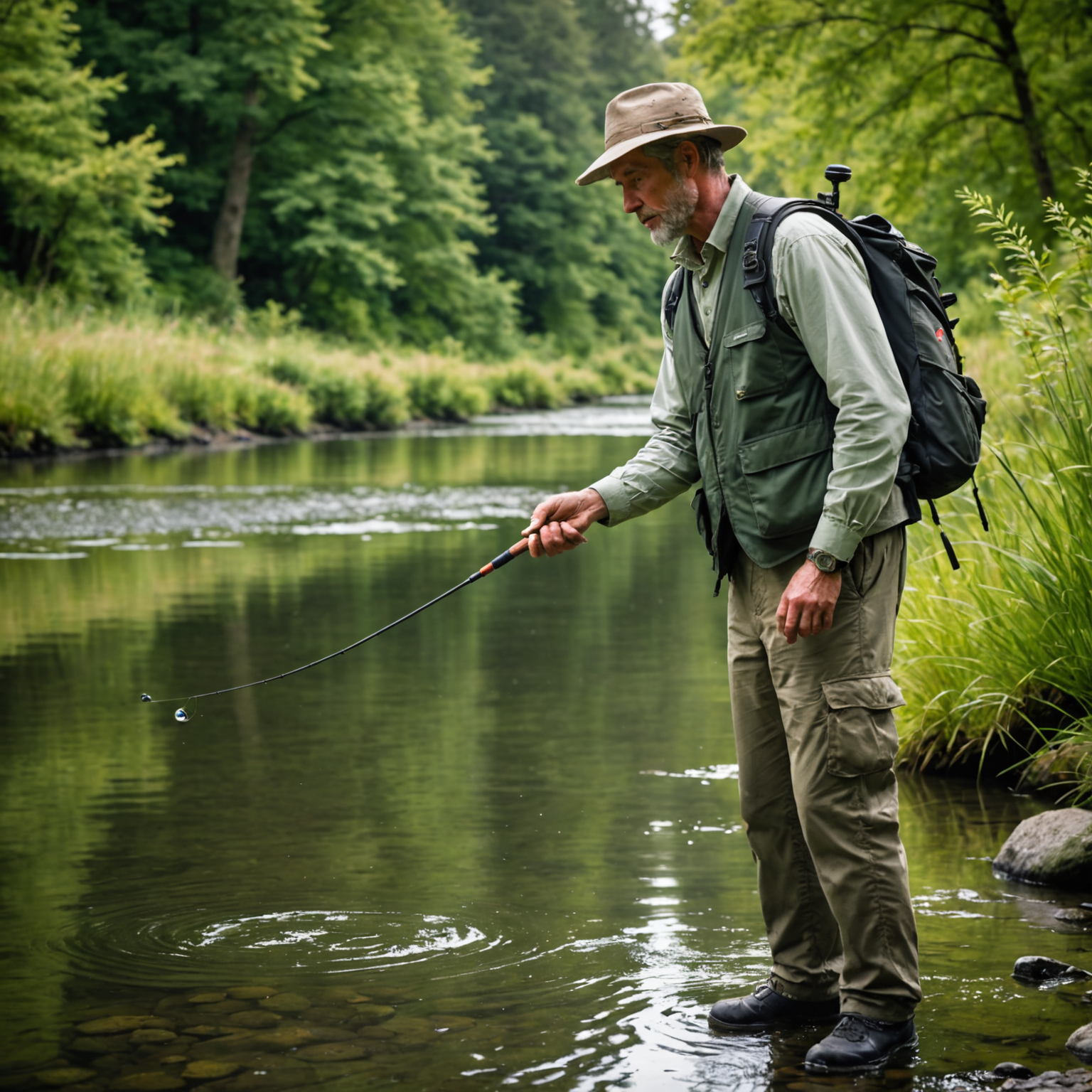
Selecting the Right Salmon Spinner for Your Needs
Choosing the right salmon spinner involves considering several factors, including water clarity, depth, current speed, and the time of year. By understanding these variables, anglers can make informed decisions to increase their chances of success.
Water Clarity
In clear water, spinners with subtle colours and smaller blades are often more effective, as they mimic the natural appearance of baitfish. In contrast, in murky water, brighter colours and larger blades that produce more flash and vibration can help salmon detect the lure.
Current and Depth
The speed of the current and the depth of the water are crucial in determining the appropriate spinner. Faster currents require heavier weights and narrower blades, while slower currents allow for lighter spinners and broader blades.
Seasonal Considerations
The time of year can also influence spinner choice. During the spawning season, salmon are more aggressive, and spinners with vibrant colours and loud vibrations can provoke a strike. In contrast, off-season fishing may require a more subtle approach with natural hues and quieter action.
Techniques for Maximising Success with High-Spin Salmon Spinners
Even with the right spinner, technique plays a vital role in enticing salmon to bite. Here are some tips to enhance your fishing strategy:
Retrieval Speed
Adjusting the retrieval speed can make a significant difference. A slow, steady retrieve can be effective in cooler water temperatures, while a faster retrieve might be needed in warmer conditions to trigger a reaction strike from salmon.
Varying Depth
Experimenting with different depths can help locate where salmon are holding. Use a countdown method to ensure your spinner reaches the desired depth before starting the retrieval.
Line and Rod Selection
The choice of line and rod can impact the spinner’s performance. A thin, low-visibility line allows the spinner to move more naturally, while a sensitive rod helps detect subtle bites.
Conclusion
High-spin salmon spinners are an indispensable tool for any angler seeking to improve their catch rate. By understanding the unique characteristics of these spinners, anglers can make informed choices that align with the specific conditions they encounter. From selecting the right blade and weight to mastering retrieval techniques, this guide provides the foundational knowledge needed to succeed in salmon fishing.
For more in-depth articles on fishing techniques and equipment, visit our articles page. If you have questions or need further assistance, feel free to contact us.
FAQ
What are high-spin salmon spinners?
High-spin salmon spinners are fishing lures designed to rotate rapidly in the water, creating vibrations and flashes that attract salmon.
Which blade type is best for clear water?
In clear water, willow blades with subtle colours are often most effective due to their rapid spin and minimal flash.
How does water clarity affect spinner choice?
In murky water, spinners with larger blades and brighter colours are recommended to enhance visibility and attract salmon.
Can the same spinner be used in different fishing conditions?
While some spinners are versatile, it’s best to choose spinners specifically suited for the water clarity, depth, and current speed of your fishing location.
How should I adjust my retrieval speed?
In cooler temperatures, a slow, steady retrieve is often effective, while a faster retrieve may be needed in warmer conditions.
What line and rod should I use with salmon spinners?
Opt for a thin, low-visibility line to allow natural spinner movement, and use a sensitive rod to detect subtle salmon bites.
Where can I learn more about salmon fishing techniques?
Visit our articles page for more detailed insights and tips on salmon fishing.
How can I contact you for further assistance?
You can reach us through our contact page for any additional questions or support.