
How Big Can Chinook Salmon Get in Alaska?
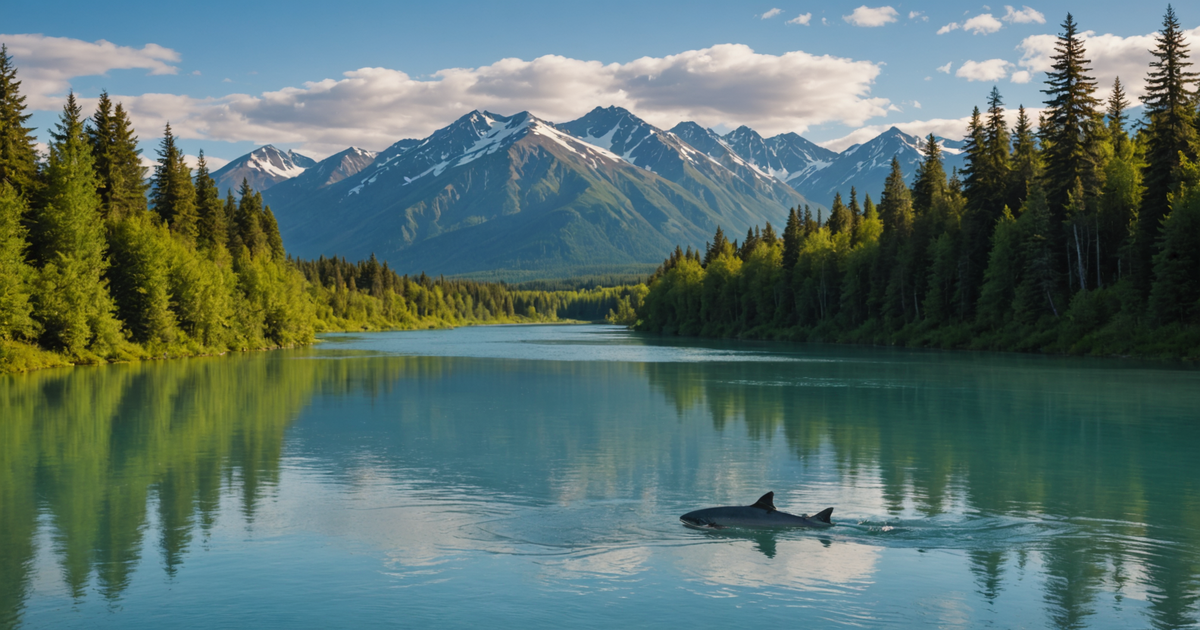
Alaska, a land of stunning wilderness and rich biodiversity, is home to some of the largest Chinook salmon, often referred to as king salmon. These majestic fish are an angler’s dream, renowned for their size, strength, and fighting spirit. In this article, we explore just how big these iconic fish can get, delve into their life cycle, and discuss the best practices for fishing them in the Alaskan waters. For more detail, see official guidance.
Understanding the Chinook Salmon
Chinook salmon (Oncorhynchus tshawytscha), the largest of the Pacific salmon species, are prized for their size and taste. They are native to the North Pacific Ocean and the river systems of western North America, from California to Alaska. These fish are anadromous, meaning they are born in freshwater, migrate to the ocean, and return to freshwater to spawn. For more detail, see further information.
Life Cycle and Growth. For more detail, see detailed advice.
The life cycle of Chinook salmon is a fascinating journey. They hatch in freshwater streams, where they remain for a few months to a year. During this time, they grow rapidly before embarking on a perilous migration to the ocean. In the ocean, Chinook salmon can grow significantly, feeding on a diet rich in krill, squid, and smaller fish. For more detail, see planning resources.
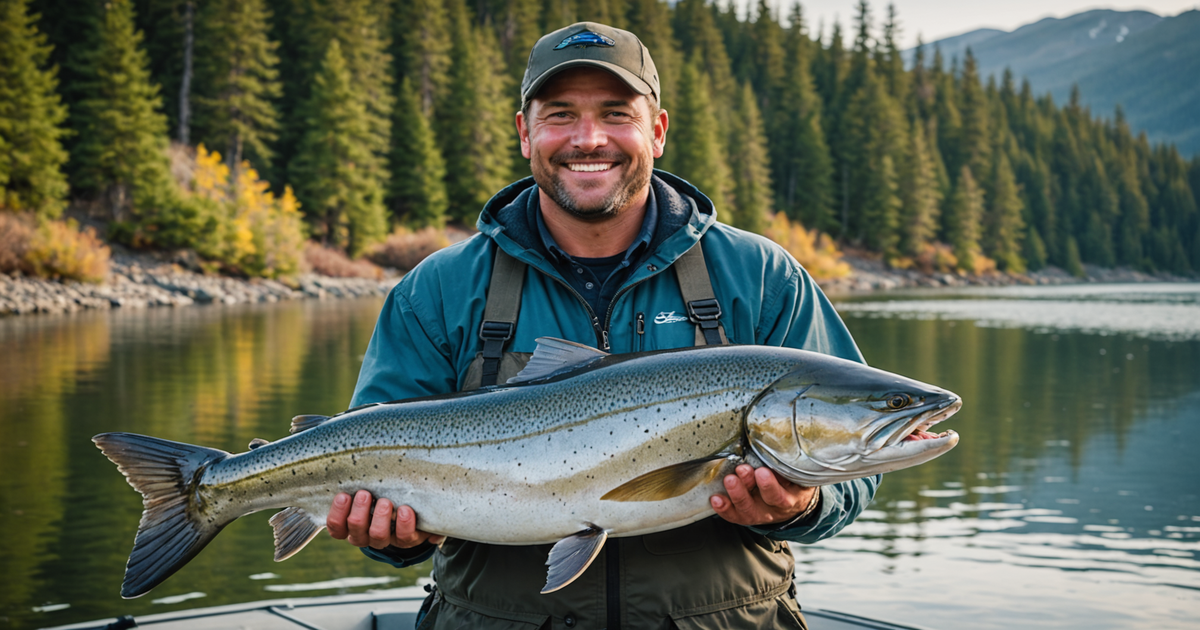
The average size of a mature Chinook salmon ranges from 10 to 50 pounds, with lengths of 24 to 36 inches. However, in Alaskan waters, these fish can be much larger. Some of the largest recorded Chinook salmon have weighed over 100 pounds, with the world record being a 126-pound behemoth caught in Alaska’s Kenai River. For more detail, see local insights.
Factors Influencing Size
Several factors contribute to the impressive size of Chinook salmon in Alaska:
-
Genetics: Genetic factors play a crucial role in the potential size of Chinook salmon. Alaskan Chinooks have evolved to grow larger to survive the cold, nutrient-rich waters of the North Pacific.
-
Diet: The abundance of prey in the ocean, such as herring and sand lance, provides Chinook salmon with a rich diet that supports rapid growth.
-
Migration: The long migration routes of Alaskan Chinook salmon contribute to their size. The extensive journey requires larger energy reserves, encouraging greater growth.
-
Environmental Conditions: Pristine water conditions in Alaska, coupled with minimal human interference, create an ideal environment for these fish to thrive.
Fishing for Chinook Salmon in Alaska
Fishing for Chinook salmon in Alaska is an unforgettable experience. The state offers numerous fishing opportunities, from the Kenai River to the waters of Southeast Alaska. To maximise your fishing adventure, consider understanding Alaska’s fishing regulations and guidelines provided by the Alaska Department of Fish and Game.
Best Practices for Catching Chinook Salmon
-
Timing: The best time to fish for Chinook salmon in Alaska is during the summer months, typically from late May to early July. This period corresponds with their upstream migration for spawning.
-
Fishing Gear: Using the right gear is crucial. Traditional trolling setups are popular, but fly fishing enthusiasts can also find success with the right techniques. For those interested in customising their gear, consider using fish decals for a personal touch.
-
Guided Tours: For first-time anglers or those seeking an enriched experience, opting for fishing charters or guided tours can be beneficial. These services offer expert knowledge and increase your chances of a successful catch.
-
Sustainable Practices: Adhering to sustainable fishing practices is vital for preserving the Chinook salmon population. Practice catch and release whenever possible and respect bag limits set by fishing regulations.
Conclusion
The allure of Chinook salmon fishing in Alaska lies not just in the size of the catch, but in the experience of engaging with one of nature’s most magnificent creatures in a breathtaking environment. These giants of the salmon world offer both a challenge and a reward for those willing to take on the Alaskan wilderness. Whether you’re a seasoned angler or a novice, the opportunity to catch a massive Chinook salmon is an adventure that promises memories for a lifetime.
FAQ
How big can Chinook salmon get in Alaska?
Chinook salmon in Alaska can grow to over 100 pounds, with the world record being a 126-pound fish caught in the Kenai River.
What is the best time to fish for Chinook salmon in Alaska?
The prime season for Chinook salmon fishing in Alaska is from late May to early July, coinciding with their spawning migration.
Where is the best place to catch Chinook salmon in Alaska?
Popular spots include the Kenai River, Kasilof River, and the waters off Southeast Alaska. Destination details can help in planning your trip.
What gear should I use for Chinook salmon fishing?
A sturdy rod and reel setup suitable for large fish, along with strong line and lures, are recommended. Learn more about fishing equipment for Chinook salmon.
Are there any specific regulations for fishing Chinook salmon in Alaska?
Yes, it is important to follow Alaskan fishing regulations to ensure sustainable practices and avoid penalties.
Can I fly fish for Chinook salmon?
Yes, fly fishing is possible and can be very rewarding with the right technique and gear. Explore fly fishing tips for more information.
Is catch and release recommended for Chinook salmon?
Catch and release is encouraged to help maintain healthy salmon populations. Always handle fish with care and follow catch and release guidelines.
How can I enhance my fishing experience in Alaska?
Consider joining guided fishing tours or charters for expert advice and a more enriching experience.