
Introduction
Fishing for sockeye salmon in Alaska is an adventure that combines the thrill of angling with the breathtaking beauty of the Alaskan wilderness. Known for their rich flavour and vibrant colour, sockeye salmon are a prized catch for both seasoned anglers and novices alike. This guide will walk you through the essentials of how to fish for sockeye salmon, covering everything from the best times to fish to the most effective techniques. Whether you are planning a solo expedition or considering guided salmon fishing in Alaska, this comprehensive guide will ensure you are well-prepared for your Alaskan fishing adventure. For more detail, see official guidance.
Understanding Sockeye Salmon
Sockeye salmon, also known as red salmon, are one of the five Pacific salmon species found in Alaska. They are renowned for their distinct red flesh and are highly sought after for their taste. Sockeye typically migrate from the ocean to freshwater rivers to spawn, and this migration is one of the best times to catch them. For more detail, see further information.
Timing Your Trip. For more detail, see detailed advice.
The timing of your trip is crucial for catching sockeye salmon. The Alaska Department of Fish and Game regulates the fishing seasons, and the best time to fish for sockeye is generally from mid-June to late July. However, it’s important to check the latest regulations before planning your trip, as these can vary by location and year. For more detail, see planning resources.
For those flying into Anchorage, the Kenai River offers a prime location to start your adventure. The Kenai Peninsula is famed for its abundant salmon runs and scenic beauty. For more detail, see local insights.
Essential Gear for Sockeye Salmon Fishing
Fishing Rods and Reels
When preparing to fish for sockeye salmon, selecting the right rod and reel is essential. A medium to medium-heavy rod paired with a spinning reel is typically recommended. Ensure your reel has a smooth drag system, as sockeye salmon are known for their spirited fights once hooked.
Fishing Line and Tackle
A 10-15 lb test line is generally suitable for sockeye salmon. It’s also wise to carry fishing clippers for clean cuts when changing lures or tying knots. Sockeye salmon are often caught using a technique known as “flossing,” which requires specialised tackle like high-spin salmon spinners that increase your chances of getting a bite.
Bait and Lures
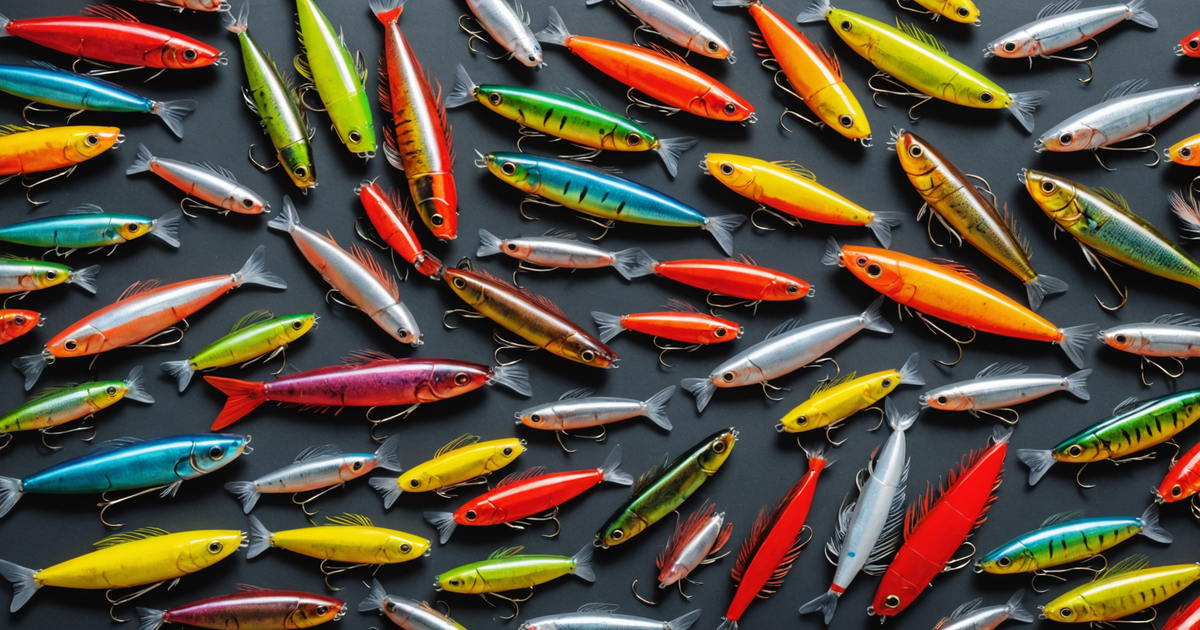
Sockeye salmon are not particularly aggressive feeders once they enter freshwater, so using the right bait and lures is crucial. Brightly coloured lures that mimic the appearance of their natural prey can be effective. You can also use artificial flies with weighted heads to reach deeper water where salmon are likely to swim.
Techniques for Catching Sockeye Salmon
Flossing Technique
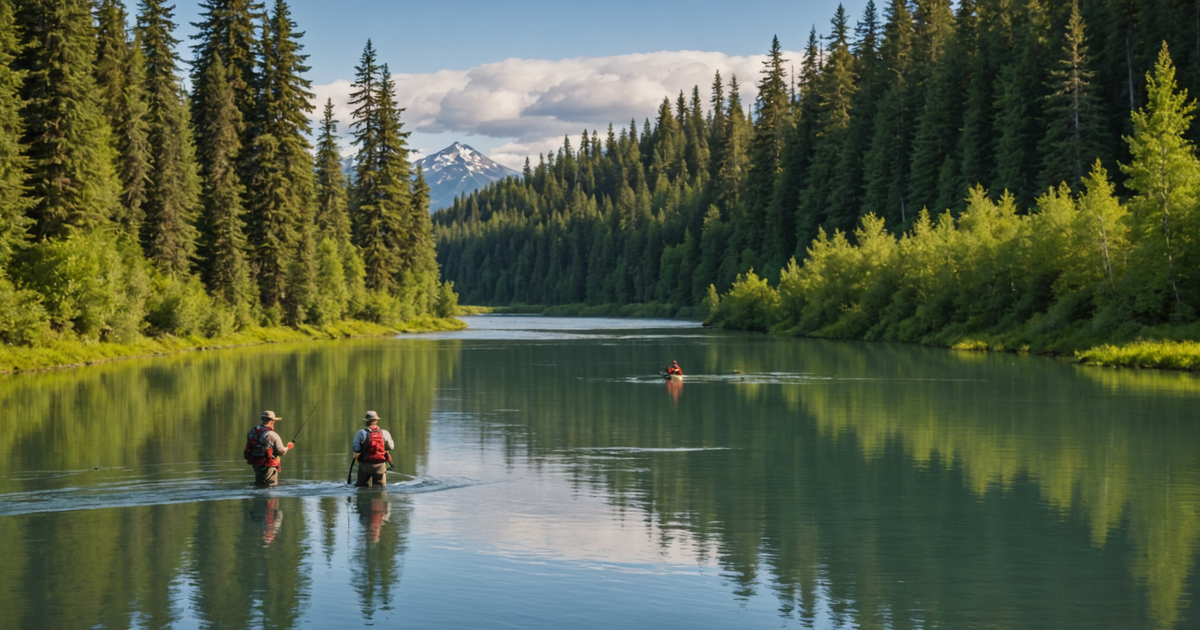
The flossing technique is a popular method for catching sockeye salmon. It involves casting your line across the river and allowing it to drift downstream with the current. The aim is to position your line in the path of migrating salmon, hooking them as they swim upstream.
Fly Fishing
Fly fishing is another effective technique for sockeye salmon. It requires a bit more skill and practice but can be incredibly rewarding. When fly fishing, consider using a weighted fly to ensure it sinks to the depth where salmon are swimming.
For those interested in learning more about fly fishing, Fish Alaska Magazine offers a wealth of resources and articles.
Best Locations to Fish for Sockeye Salmon in Alaska
Alaska is home to numerous rivers and lakes where sockeye salmon abound. Some of the most popular locations include:
- Kenai River: Known for its large salmon runs, the Kenai River is a top choice for anglers.
- Copper River: Famous for its rich and flavourful fish, the Copper River offers excellent sockeye fishing opportunities.
- Bristol Bay: This area boasts one of the largest sockeye salmon populations in the world.
Before heading out, consider researching destinations to find the perfect spot for your fishing adventure.
Safety and Regulations
Fishing in Alaska requires adherence to specific regulations to ensure both your safety and the sustainability of fish populations. Always carry a valid fishing licence and be aware of catch limits and legal fishing methods. The NOAA Fisheries website provides comprehensive information on current fishing regulations.
Conclusion
Fishing for sockeye salmon in Alaska is an unforgettable experience that offers the perfect blend of adventure, skill, and nature. With the right preparation, equipment, and knowledge of local regulations, you can enjoy a successful and sustainable fishing trip. Whether you’re a seasoned angler or a beginner, Alaska’s pristine waters and abundant wildlife make it a premier destination for fishing.
FAQ
1. What is the best time of year to fish for sockeye salmon in Alaska?
The prime season for sockeye salmon is from mid-June to late July, though this can vary based on location and annual conditions. Always check the latest fishing regulations for specific dates.
2. Do I need a fishing licence to fish for sockeye salmon in Alaska?
Yes, a fishing licence is required. You can obtain one through the Alaska Department of Fish and Game.
3. What equipment do I need for sockeye salmon fishing?
A medium to medium-heavy rod, a reliable spinning reel, and a 10-15 lb test line are recommended. Additionally, brightly coloured lures and specialised tackle like high-spin salmon spinners can be beneficial.
4. Where are the best places to fish for sockeye salmon in Alaska?
Popular locations include the Kenai River, Copper River, and Bristol Bay, all known for their abundant salmon runs.
5. What techniques are effective for catching sockeye salmon?
The flossing technique and fly fishing are both effective methods. Each requires specific equipment and practice to master.
6. Can I hire a guide for sockeye salmon fishing in Alaska?
Yes, hiring a guide is a great way to enhance your fishing experience. Consider exploring guided fishing tours to make the most of your trip.
7. Are there any restrictions on fishing for sockeye salmon?
Yes, there are restrictions including catch limits and designated fishing areas. Review the official regulations before your trip.
8. What is the flossing technique?
Flossing is a method where the line is cast across the river and allowed to drift downstream, with the aim of hooking salmon as they swim upstream. It is particularly effective for sockeye salmon.