

Introduction
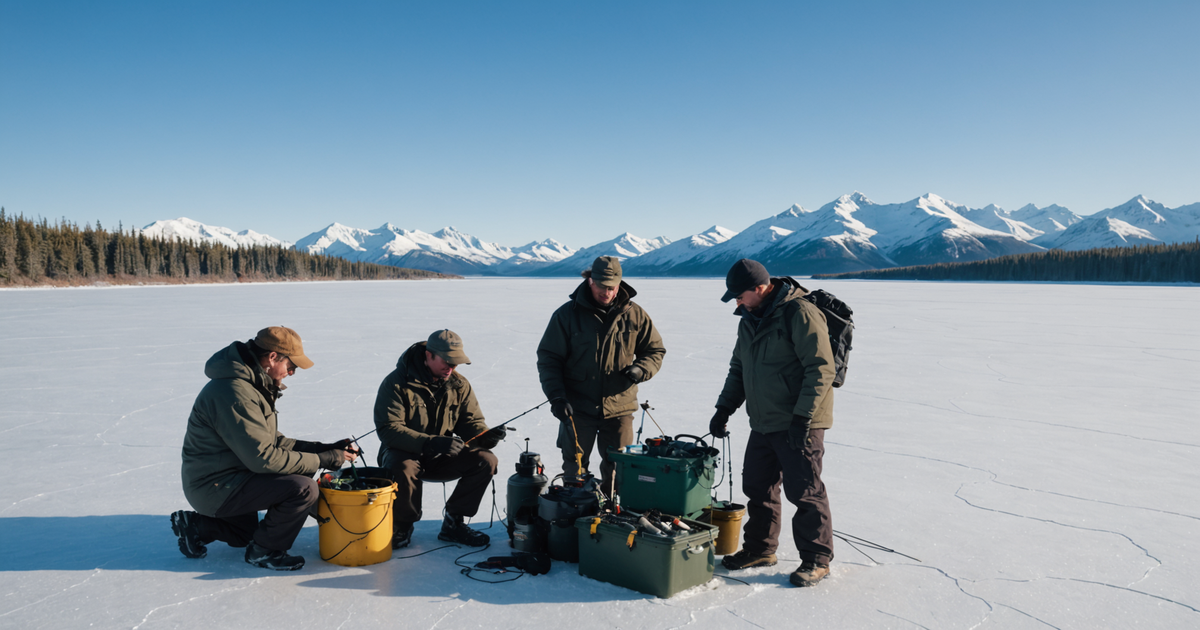
Ice fishing for lake trout in Alaska is an exhilarating experience that combines the thrill of angling with the stark beauty of Alaska’s winter landscapes. Known for their size and fight, lake trout are a prized catch among anglers. This guide will provide comprehensive tips on how to ice fish for lake trout, the essential gear you need, and options for guided trips to maximise your Alaskan adventure. For more detail, see official guidance.
Understanding Lake Trout and Their Habitat
Lake trout, or Salvelinus namaycush, are a species of freshwater char native to North America. They thrive in cold, deep lakes and are particularly abundant in Alaska’s pristine waters. Anglers seeking to catch these fish must understand their preferred habitats. Lake trout are often found in the deeper parts of lakes, where water temperatures remain consistently cold throughout the year. Familiarity with their behaviour and habitats will significantly enhance your fishing success. For more detail, see further information.
Essential Gear for Ice Fishing Lake Trout
When preparing for your ice fishing trip, selecting the right gear is crucial. Here’s a list of essentials:. For more detail, see detailed advice.
-
Ice Auger: A reliable ice auger is necessary to drill through thick ice. Manual, electric, and gas-powered augers are available, each with its pros and cons. For more detail, see planning resources.
-
Ice Fishing Rod and Reel: A medium-heavy ice fishing rod paired with a quality reel is ideal for handling the strength of lake trout. For more detail, see local insights.
-
Bait and Lures: Lake trout are attracted to flashy lures and live bait such as minnows. Consider customising your gear for better results.
-
Portable Fish Finder: A fish finder can help locate schools of lake trout beneath the ice, increasing your chances of a successful catch.
-
Shelter and Clothing: Proper clothing and a portable shelter will protect you from Alaska’s harsh winter conditions. Layers of thermal wear, waterproof outer layers, and insulated boots are recommended.
Techniques for Ice Fishing Lake Trout
Location and Drilling
Selecting the right location is paramount. Lake trout are often found near underwater structures such as reefs or drop-offs. Use a topographic map or a GPS tool to identify these areas. Once you’ve chosen a spot, drill multiple holes to increase your chances of encountering active fish.
Jigging and Presentation
Jigging is a popular technique for ice fishing lake trout. Use a jigging motion to mimic a wounded baitfish, which can entice a strike from a curious trout. Experiment with different jigging speeds and pauses to determine what attracts fish on that particular day.
Using Electronics
Modern ice anglers often use electronics like fish finders to locate fish and monitor their behaviour. This technology can reveal not only the depth of the lake trout but also how they respond to your bait.
Guided Ice Fishing Trips in Alaska
For those new to ice fishing or seeking a stress-free experience, guided trips are an excellent option. Professional guides can provide valuable insights, equipment, and local knowledge, ensuring a successful outing. Companies like Alaska Adventure Guides offer bespoke trips tailored to your preferences, whether you are a seasoned angler or a complete beginner.
Safety Considerations
Safety should always be a priority when ice fishing. Ensure the ice is at least four inches thick before venturing onto it. Always carry a set of ice picks in case of a fall through the ice, and never fish alone. Check weather conditions in advance using NOAA’s weather resources to avoid unexpected storms.
Conclusion
Ice fishing for lake trout in Alaska is a rewarding venture that demands preparation, patience, and a sense of adventure. By understanding the fish’s habits, selecting the right gear, and employing effective techniques, you can enjoy a successful and memorable fishing experience. Whether you choose to go solo or opt for a guided tour, Alaska promises an ice fishing adventure like no other.
FAQ
1. What is the best time of year to ice fish for lake trout in Alaska?
The prime ice fishing season for lake trout in Alaska typically runs from December to April, when the ice is thickest.
2. Do I need a fishing licence to ice fish in Alaska?
Yes, a valid Alaska fishing licence is required for all anglers over the age of 16.
3. How can I ensure the ice is safe to walk on?
The ice should be at least four inches thick for safe walking. Always check ice thickness periodically as it can vary across a lake.
4. What are some recommended lakes for ice fishing lake trout in Alaska?
Lakes such as Lake Louise, Paxson Lake, and Harding Lake are popular destinations for ice fishing lake trout.
5. Can I rent ice fishing gear in Alaska?
Yes, many local guides and outfitters offer gear rental services. It’s advisable to check with companies like Alaska Adventure Guides for availability.
6. What should I do if I fall through the ice?
If you fall through the ice, remain calm, keep your head above water, and use ice picks to pull yourself out. Roll away from the hole to distribute your weight and stand only when you reach thicker ice.
7. Are there guided ice fishing tours available in Alaska?
Yes, there are several guided ice fishing tours available. These tours provide equipment, expertise, and safety, making them ideal for beginners and seasoned anglers alike.