

Introduction
Ice fishing in Alaska is an exhilarating experience that combines the beauty of nature with the thrill of catching fish from beneath a thick layer of ice. The key to a successful and safe ice fishing adventure is having the right equipment. At the heart of your gear should be a reliable ice fishing auger. This essential tool allows anglers to penetrate Alaskan ice with ease, ensuring access to the fish-rich waters below. In this guide, we will delve into the different types of ice fishing augers available, their advantages, and tips for choosing the best one for your needs in Alaska’s harsh conditions. For more detail, see official guidance.
Types of Ice Fishing Augers
Manual Augers. For more detail, see further information.
Manual ice fishing augers are the most traditional and budget-friendly option available. They consist of a hand-cranked blade that drills through the ice. While they require physical effort, manual augers are ideal for those who value simplicity and lightweight equipment. They are also quieter than their powered counterparts, allowing for a more serene fishing experience. For more detail, see detailed advice.
Advantages:
- Lightweight and portable
- Cost-effective
- Quiet operation. For more detail, see planning resources.
Considerations:
- Requires physical effort
- Best suited for thinner ice. For more detail, see local insights.
Gas-Powered Augers
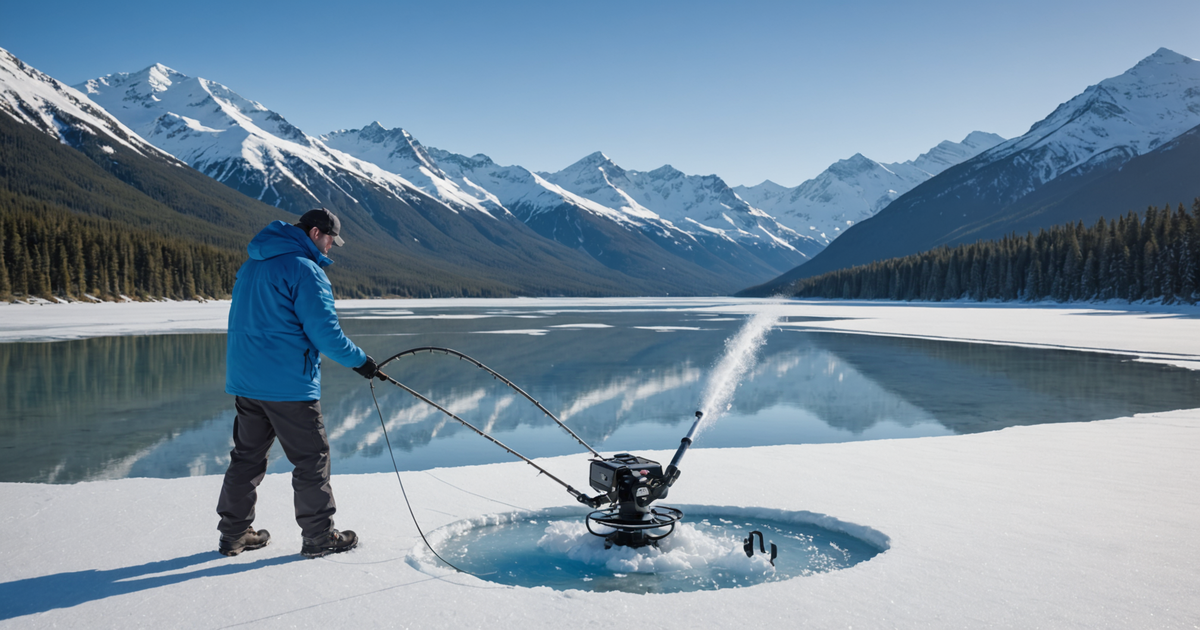
Gas-powered augers are a popular choice among serious ice fishermen due to their power and efficiency. These augers can bore through thick ice quickly, making them suitable for the extreme conditions often found in Alaska. However, they are heavier and require regular maintenance to keep the engine in good working order.
Advantages:
- Powerful and fast
- Suitable for thick ice
- Less physical effort required
Considerations:
- Heavier and bulkier
- Requires fuel and maintenance
Electric Augers
Electric augers have been gaining popularity due to their environmentally friendly nature and ease of use. Powered by rechargeable batteries, these augers offer a quieter and cleaner alternative to gas-powered models. They are also lighter and easier to transport.
Advantages:
- Environmentally friendly
- Quiet and easy to use
- Low maintenance
Considerations:
- Limited battery life
- May struggle with very thick ice
Propane Augers
Propane augers combine the power of gas with the convenience of clean burning fuel. They are known for their reliability in cold weather and do not emit fumes like gas augers, making them a popular choice for those who fish frequently.
Advantages:
- Clean burning and efficient
- Reliable in cold temperatures
- Less maintenance than gas
Considerations:
- Heavier than electric models
- Requires propane canisters
Selecting the Right Auger for Alaskan Ice Fishing
When choosing an ice fishing auger for Alaskan conditions, several factors need to be considered to ensure you make the right choice.
Ice Thickness
Alaska’s ice thickness can vary significantly depending on the region and time of year. For thinner ice, a manual or electric auger may suffice. However, for thicker ice, typically found in the heart of winter, a gas or propane auger might be necessary.
Frequency of Use
Consider how often you plan to go ice fishing. Frequent anglers may benefit from the efficiency of a gas or propane auger, while occasional fishermen might prefer the simplicity of a manual or electric model.
Portability
If you plan to trek long distances to reach your fishing spot, the weight and portability of your auger become crucial factors. Electric and manual augers generally offer better portability compared to gas and propane models.
Environmental Concerns
For those concerned about the environmental impact, electric augers provide a cleaner alternative with no emissions, while propane augers offer a middle ground with cleaner burning fuel than traditional gas options.
Conclusion
Choosing the right ice fishing auger is essential for a successful and enjoyable ice fishing experience in Alaska. Whether you prefer the traditional approach of a manual auger, the power of a gas or propane model, or the eco-friendly nature of an electric auger, each type offers unique benefits. By understanding the specific needs of Alaskan ice fishing conditions and considering factors such as ice thickness, frequency of use, and environmental impact, you can select the best auger to enhance your adventure.
For more tips and guided ice fishing experiences, consider exploring our full-day ice fishing tours or learn more about various fishing techniques tailored for Alaskan waters.
FAQ
What is the best type of ice fishing auger for thick ice?
For thick ice, gas-powered and propane augers are typically the best choices due to their power and efficiency. They can drill through substantial ice layers quickly, making them ideal for Alaskan conditions.
Are electric ice fishing augers suitable for Alaskan winters?
Electric augers can be suitable for Alaskan winters, especially for moderate ice thickness. However, their battery life may be limited in extremely cold conditions, so it’s crucial to have spare batteries or a backup plan.
How do I maintain my gas-powered auger?
Regular maintenance of a gas-powered auger includes checking and cleaning the spark plug, inspecting the air filter, and ensuring all nuts and bolts are tight. Always refer to the manufacturer’s manual for specific maintenance instructions.
Can I use a manual auger for ice fishing in Alaska?
Yes, manual augers can be used for ice fishing in Alaska, particularly when the ice is not overly thick. They are lightweight and portable, making them a good choice for less extreme conditions.
What are the environmental benefits of using an electric auger?
Electric augers have no emissions, making them environmentally friendly. They also operate quietly, which reduces noise pollution in natural settings.
How do propane augers perform in cold weather?
Propane augers perform well in cold weather as propane remains effective at lower temperatures compared to other fuels. They offer a reliable and clean-burning option for ice fishing.
Where can I find guided ice fishing tours in Alaska?
Guided ice fishing tours are available through various providers. You can explore options like Alaska Adventure Guides for expert-led fishing trips.
What safety measures should I take while ice fishing in Alaska?
Safety measures include checking ice thickness before venturing out, wearing appropriate clothing, and carrying safety gear such as ice picks and a flotation device. It’s also advisable to fish with a partner or inform someone of your plans.