
Ice Fishing for Pike Alaska | Guided. For more detail, see official guidance.
Introduction
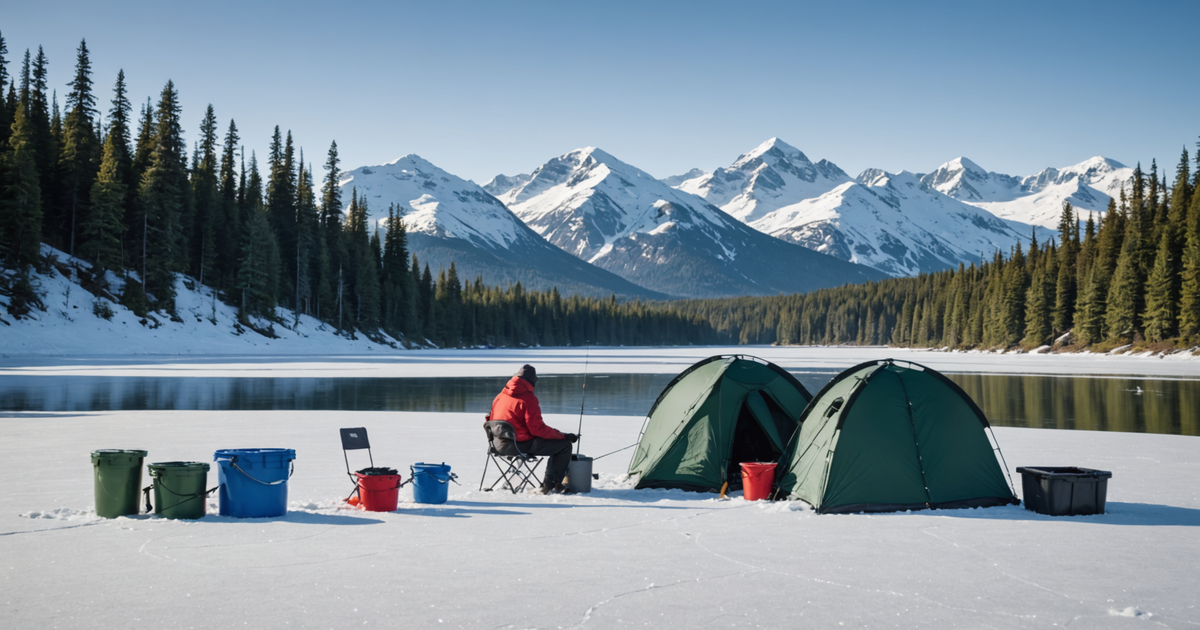
Ice fishing is a quintessential winter activity in Alaska, offering both seasoned anglers and novices a unique opportunity to catch the elusive Northern Pike. Known for their aggressive nature and impressive size, pike are a prized catch among ice fishing enthusiasts. In this article, we’ll dive deep into the world of ice fishing for pike in Alaska, focusing on guided trips that ensure a safe and rewarding experience on the frozen lakes. Whether you’re looking to enhance your fishing skills or simply enjoy the breathtaking Alaskan wilderness, guided ice fishing tours can provide all the necessary expertise and equipment. For more detail, see further information.
Why Choose Alaska for Ice Fishing?
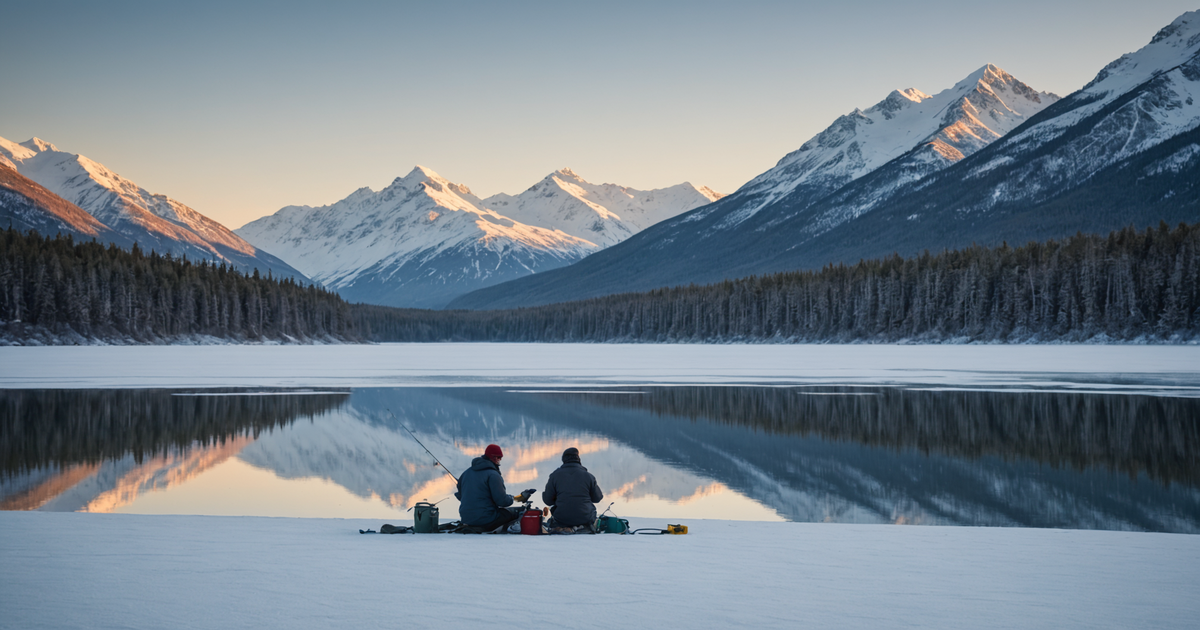
Alaska’s vast and pristine landscapes make it a premier destination for ice fishing. With over three million lakes and countless rivers, the state offers abundant opportunities to fish for Northern Pike. The serene winter landscape, combined with the thrill of catching a hefty pike, makes Alaska a dream destination for many anglers. The state’s remote locations ensure that you have a peaceful and undisturbed fishing experience, away from the hustle and bustle of more populated areas. For more detail, see detailed advice.
Planning Your Guided Ice Fishing Trip
Selecting the Right Tour Operator. For more detail, see planning resources.
Choosing the right tour operator is crucial for a successful ice fishing experience. A well-organised guided trip not only provides the necessary equipment but also ensures your safety on the ice. Look for operators with experienced guides who are familiar with the local fishing regulations and conditions. Websites like Alaska Adventure Guides offer comprehensive tours tailored to both beginners and seasoned anglers. For more detail, see local insights.
Understanding Regulations and Licensing
Before embarking on your fishing adventure, it’s essential to familiarise yourself with Alaska’s fishing regulations. The Alaska Department of Fish and Game provides detailed information on licensing requirements, catch limits, and conservation practices. Adhering to these regulations ensures the sustainability of fish populations and helps preserve the natural environment for future generations.
Essential Gear and Equipment
While guided tours typically provide all necessary equipment, it’s beneficial to understand what gear is essential for ice fishing. Quality ice augers, sturdy fishing rods, and appropriate tackle are crucial for success. Dress in layers, as temperatures can be extremely cold, and pack essentials like hand warmers and thermos flasks to keep warm. For those interested in customising their gear, fish decals can add a personal touch to your equipment.
Best Locations for Ice Fishing Pike in Alaska
Minto Flats
Located in the heart of Alaska, Minto Flats is a renowned fishing spot known for its large population of Northern Pike. The expansive wetlands offer plenty of opportunities to catch trophy-sized fish. Guided tours in this area often provide snowmobiles to navigate the vast terrain, adding an element of adventure to your fishing trip. Learn more about snowmobile tours in Alaska here.
Lake Louise
Lake Louise is another popular destination for ice fishing enthusiasts. The lake’s clear waters and secluded setting make it an ideal spot for a peaceful day on the ice. Local guides often have insider knowledge on the best fishing spots, ensuring a fruitful outing. If you’re planning a multi-day trip, consider exploring the fishing techniques recommended by experienced anglers.
Susitna River
The Susitna River offers a diverse range of fishing opportunities, with Northern Pike being a frequent catch during the winter months. The river’s dynamic ecosystem supports a variety of fish species, making it a favoured destination for those looking to diversify their catch. For those interested in DIY fishing trips, explore this comprehensive guide to planning a self-guided adventure.
Techniques for Catching Pike
Catching Northern Pike requires a combination of skill, patience, and the right techniques. Jigging is a popular method, often using brightly coloured lures to attract the fish. It’s important to maintain a steady jigging rhythm to mimic the movement of prey effectively. Additionally, tip-ups can be used to cover more area on the ice, increasing the chances of a catch. For more detailed advice, Fish Alaska Magazine offers a wealth of knowledge on effective fishing techniques.
Conclusion
Ice fishing for pike in Alaska is not just about the thrill of the catch—it’s an immersive experience that connects you with nature in one of the world’s most breathtaking landscapes. Guided tours offer the perfect balance of adventure and safety, ensuring you have a memorable and successful fishing trip. Whether you’re a seasoned angler or a curious beginner, Alaska’s frozen lakes provide the perfect setting for an unforgettable ice fishing adventure.
FAQ
What is the best time for ice fishing in Alaska?
The best time for ice fishing in Alaska is typically from December to March, when the ice is thickest and safest for fishing.
Do I need a fishing licence for ice fishing in Alaska?
Yes, a valid fishing licence is required for all anglers over the age of 16. You can obtain one from the Alaska Department of Fish and Game.
Are there any specific regulations for catching Northern Pike?
Yes, specific regulations apply to Northern Pike fishing, including catch limits and size restrictions. Always check the latest fishing regulations before your trip.
What should I wear for ice fishing in Alaska?
Dress in layers to stay warm, and wear insulated boots, waterproof gloves, and a thermal hat. Consider packing hand warmers and a windproof jacket for added comfort.
Can beginners join guided ice fishing tours?
Absolutely! Guided tours are perfect for beginners, providing expert guidance, equipment, and safety measures to ensure an enjoyable experience.
How can I customise my fishing gear?
You can personalise your fishing gear with decals and other accessories. Check out this guide for ideas on how to customise your equipment.
What other activities can I enjoy in Alaska during winter?
Besides ice fishing, Alaska offers a variety of winter activities, including snowmobiling, dog sledding, and aurora viewing. For more ideas, visit Alaska.org.
Are there any health and safety tips for ice fishing?
Always ensure the ice is at least 4 inches thick before venturing out and carry safety equipment such as ice picks and a flotation device. For more safety tips, consider reviewing NOAA’s guidelines on outdoor activities.