
Introduction
Ice fishing in Alaska is an exhilarating experience, combining the serene beauty of frozen landscapes with the anticipation of a rewarding catch. However, to truly enjoy this unique activity, having the right ice fishing gear is indispensable. Not only does proper equipment ensure a successful outing, but it also enhances safety and comfort amidst Alaska’s harsh winter conditions. This comprehensive guide will delve into the essential ice fishing gear needed for an unforgettable adventure in the Last Frontier. For more detail, see official guidance.
Essential Ice Fishing Gear for Alaska
Clothing and Footwear. For more detail, see further information.
Alaska’s winter can be unforgiving, making appropriate clothing the first line of defence against the elements. Layering is crucial, starting with a moisture-wicking base layer, followed by an insulating middle layer, and topped with a windproof and waterproof outer shell. Wool or synthetic socks paired with insulated, waterproof boots will keep your feet warm and dry. Additionally, thermal gloves, a hat, and a balaclava are vital to protect extremities from frostbite. For more detail, see detailed advice.
Ice Augers. For more detail, see planning resources.
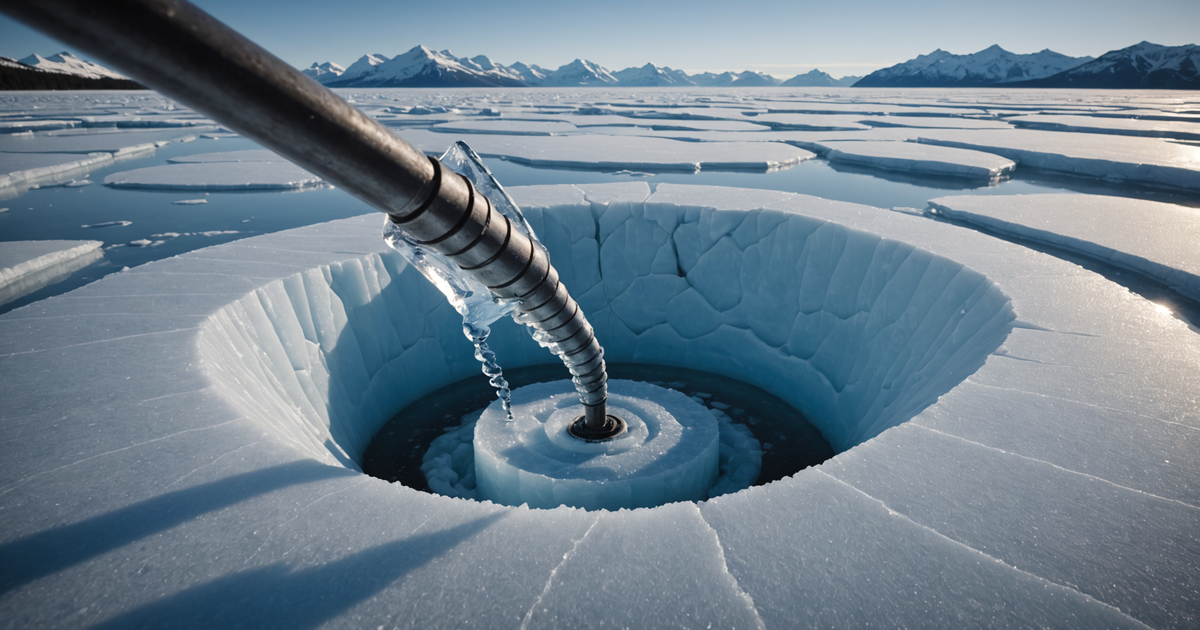
To reach the fish beneath the ice, you’ll need a reliable ice auger. There are several types available, including manual, electric, and gas-powered augers. For 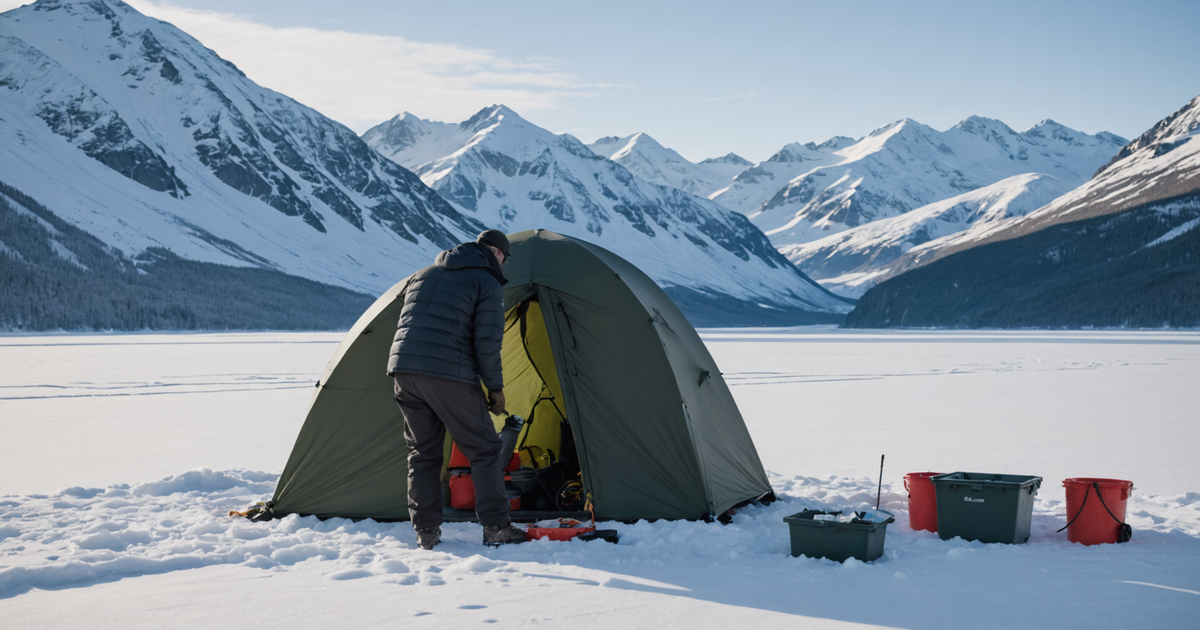 , manual augers are lightweight and easy to transport, while gas and electric augers offer efficiency and ease of use, especially when dealing with thicker ice layers typical in Alaska. For more detail, see local insights.
Ice Fishing Rods and Reels
Ice fishing rods are generally shorter than regular fishing rods, allowing for better control in confined spaces. Pair your rod with a reel designed for ice fishing, which typically features a spool that can handle cold weather conditions. The combination of a sensitive rod and a smooth reel will enhance your ability to detect and react to bites.
Lines and Lures
Selecting the right fishing line is crucial. Monofilament lines are popular due to their flexibility and low visibility. However, braided lines offer greater strength and sensitivity. As for lures, jigging lures and bait such as minnows or wax worms are effective in attracting species like northern pike and trout. For more detailed setups, consider exploring fish jig head sizes and setups.
Ice Shelter
An ice shelter, or ice shanty, provides protection against the wind and cold, allowing you to fish comfortably for extended periods. Portable pop-up shelters are easy to set up and transport, making them ideal for those venturing deep into Alaska’s wilderness. Ensure your shelter has adequate ventilation to prevent carbon monoxide buildup if you’re using a propane heater inside.
Safety Equipment
Safety should never be compromised. Essential safety gear includes ice picks, a throwable flotation device, and a first aid kit. Ice cleats or crampons will prevent slips on the ice, and a GPS device or a map (such as those available on Gaia GPS) will help you navigate safely.
Techniques for Ice Fishing in Alaska
Locating Fish
Finding the right spot is key to a successful ice fishing trip. Underwater structure, such as drop-offs or submerged vegetation, often harbours fish. Using a fish finder can provide valuable insights into the underwater topography and help locate schools of fish.
Jigging Techniques
Jigging involves rhythmically lifting and dropping your lure to mimic the movement of prey. This technique is particularly effective for attracting fish in Alaska’s cold waters. Experiment with different jigging speeds and patterns to see what works best.
Staying Safe on the Ice
Understanding ice conditions is vital. The Alaska Department of Fish and Game provides updates on ice thickness and safety advisories. Generally, a minimum of four inches of clear, solid ice is recommended for walking, while thicker ice is necessary for vehicles.
Conclusion
Ice fishing in Alaska offers an unparalleled experience, filled with the beauty and challenge of the wilderness. By equipping yourself with the right gear and knowledge, you can ensure a safe, enjoyable, and fruitful adventure. Remember to respect local regulations and the environment, ensuring these pristine fishing opportunities remain available for generations to come. For those looking to expand their adventure beyond ice fishing, consider exploring the Kenai Peninsula for a diverse array of outdoor activities.
FAQ
What is the best time for ice fishing in Alaska?
The optimal time for ice fishing in Alaska is typically from late November to early April, when the ice is thick enough to support anglers safely. For specific advice on fishing seasons, check out the Alaska fishing regulations.
Do I need a permit to ice fish in Alaska?
Yes, a fishing licence is required for ice fishing in Alaska. Licences can be purchased online through the Alaska Department of Fish and Game.
What types of fish can I catch while ice fishing in Alaska?
Common fish species include northern pike, trout, and Arctic char. For more information on fishing opportunities, explore Alaska Arctic Grayling fishing spots.
How can I ensure my safety while ice fishing?
Always check ice thickness, carry safety gear such as ice picks and a flotation device, and stay informed on weather conditions via NOAA.
What should I pack for an ice fishing trip in Alaska?
In addition to essential fishing gear, pack warm clothing, food, water, and a first aid kit. A portable heater can also be beneficial for extended trips.
Can I rent ice fishing gear in Alaska?
Yes, several outfitters offer rentals of ice fishing gear. It’s advisable to contact local shops or guides ahead of your trip to ensure availability.
Are guided ice fishing tours available in Alaska?
Absolutely, guided tours are available and can enhance your experience, especially for beginners. Consider booking a full-day snowmobile ice fishing tour for northern pike for a comprehensive adventure.
What is the ice thickness needed for safe ice fishing?
A minimum of four inches of clear ice is recommended for walking. For more detailed safety guidelines, refer to the Alaska Department of Fish and Game.