

Introduction
Ice fishing for lake trout in Alaska is a quintessential adventure for anglers looking to experience the breathtaking wilderness and the thrill of catching one of the most sought-after freshwater fish. Known for their incredible strength and size, lake trout are a challenge even for seasoned anglers. This guide will provide you with insights on how to fish for lake trout ice fishing, focusing on the techniques, gear, and trip planning necessary for a successful expedition in Alaska. For more detail, see official guidance.
Understanding Lake Trout
Lake trout, or Salvelinus namaycush, are native to North America’s cold, oxygen-rich lakes. They are a member of the char family and are highly prized for their fighting ability and delicious flavour. In Alaska, lake trout are found in many large, deep lakes, including Lake Clark, Iliamna Lake, and Skilak Lake. For more detail, see further information.
Habitat and Behaviour. For more detail, see detailed advice.
Lake trout prefer deep, cold waters and are often found near the bottom of lakes. During the winter months, they tend to move to shallower areas as they follow their prey, such as smaller fish and crustaceans. Understanding their behaviour is crucial for locating them during ice fishing trips. . For more detail, see planning resources.
Seasonal Movements. For more detail, see local insights.
In winter, lake trout are more active during dawn and dusk, making early morning and late afternoon prime times for fishing. Their activity levels can also be affected by weather conditions, with overcast days often being more productive.
Essential Gear for Ice Fishing Lake Trout
Having the right gear is essential for a successful ice fishing trip in Alaska. Here’s what you’ll need:
Ice Fishing Rod and Reel
A medium-heavy action rod with a sensitive tip is ideal for detecting bites from lake trout. Pair it with a high-quality reel that can withstand the cold temperatures and has a smooth drag system for when the fish makes its powerful runs.
Tackle and Bait
Lake trout are known for their preference for live bait and lures that mimic their natural prey. Consider using jigs, spoons, or tube jigs in colours like white, silver, and chartreuse. Live bait such as minnows can also be highly effective.
Ice Auger
An ice auger is essential for drilling holes in the ice. Manual, electric, or gas-powered augers can be used, with the choice depending on personal preference and the thickness of the ice. Ensure your auger is well-maintained and sharp for efficient drilling.
Portable Shelter and Warm Clothing
Alaska’s winter can be harsh, so a portable ice fishing shelter is a wise investment. It provides protection from the wind and cold, allowing you to fish comfortably for longer periods. Layered clothing, insulated boots, and gloves are also necessary to keep warm.
Techniques for Ice Fishing Lake Trout
Jigging
Jigging is a popular technique for ice fishing lake trout. Drop your lure to the desired depth and use a series of sharp, upward jerks of the rod to mimic the movement of prey. Vary the speed and intensity to entice strikes from curious trout.
Deadsticking
This technique involves presenting live bait or a jig in a stationary position, allowing it to move naturally in the water. Lake trout often approach cautiously, so patience is key. Keep a close eye on your rod tip for any subtle movements indicating a bite.
Electronics
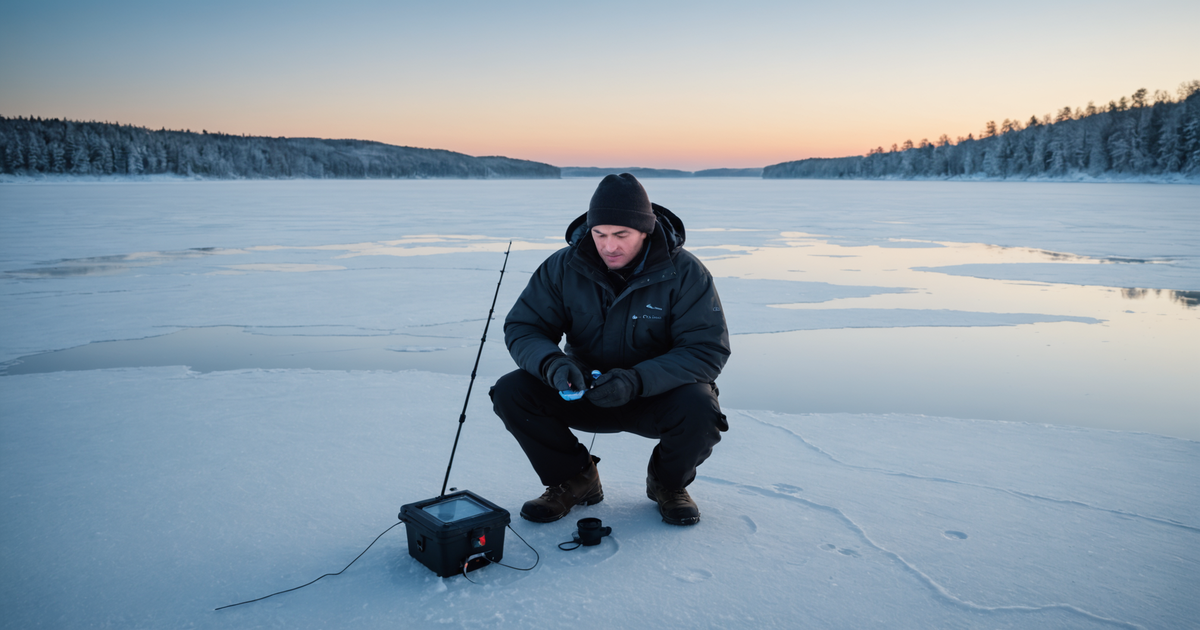
Using a fish finder or sonar can significantly improve your success rate by helping you locate schools of fish and determine their depth. This technology can also assist in monitoring the activity of your lure and adjusting your strategy accordingly.
Planning Your Ice Fishing Trip in Alaska
Research and Permits
Before embarking on your trip, research your chosen location and check the Alaska Department of Fish and Game for any specific regulations and required permits. Fishing regulations can vary by region, so it’s crucial to be informed to avoid penalties.
Choosing a Destination
Alaska offers a plethora of ice fishing destinations. Consider popular spots like Lake Clark or Skilak Lake for your adventure. Each location offers unique challenges and opportunities for landing a trophy lake trout.
Safety and Sustainability
Safety should be a top priority when ice fishing. Check ice conditions before heading out, and always fish with a partner. Be mindful of sustainable practices by following catch-and-release guidelines and respecting local wildlife. For more tips on sustainable fishing, visit our sustainable practices category.
Conclusion
Ice fishing for lake trout in Alaska is not just about catching a fish; it’s about experiencing the raw beauty of nature and the thrill of the hunt. With the right gear, techniques, and planning, you can make your ice fishing trip a memorable and successful adventure. Whether you’re a seasoned angler or new to the sport, Alaska’s icy waters offer an unparalleled opportunity to connect with the wild.
FAQ
What is the best time of year to ice fish for lake trout in Alaska?
The prime ice fishing season for lake trout in Alaska typically runs from late November through March, depending on ice conditions and weather.
What are the legal requirements for ice fishing in Alaska?
You must obtain a valid fishing license from the Alaska Department of Fish and Game and adhere to specific fishing regulations outlined for each region.
How do I choose the right lure for lake trout?
Lake trout are attracted to lures that mimic their natural prey. Opt for spoons, jigs, and tube jigs in colours like white and silver. Experiment with different sizes and actions to find what works best.
Are there guided ice fishing tours available in Alaska?
Yes, there are numerous guided fishing tours that can enhance your experience by providing expert knowledge and equipment.
How thick should the ice be for safe fishing?
For safe ice fishing, the ice should be at least 4 inches thick for individual anglers. Always check local ice conditions and never assume the ice is safe.
What should I wear for an ice fishing trip in Alaska?
Dress in layers with moisture-wicking base layers, insulating mid-layers, and a waterproof outer layer. Insulated boots, gloves, and hats are essential to protect against the cold.
Can I use a snowmobile to reach remote fishing spots?
Yes, snowmobiles are a popular way to access remote areas. Consider joining a snowmobile ice fishing tour for a comprehensive adventure.
What are some recommended locations for ice fishing in Alaska?
Popular destinations include Lake Clark, Iliamna Lake, and Skilak Lake. Each offers unique opportunities and challenges for ice fishing enthusiasts.