
Ice Fishing Lake Trout Tips | Alaska Trips. For more detail, see official guidance.
Introduction
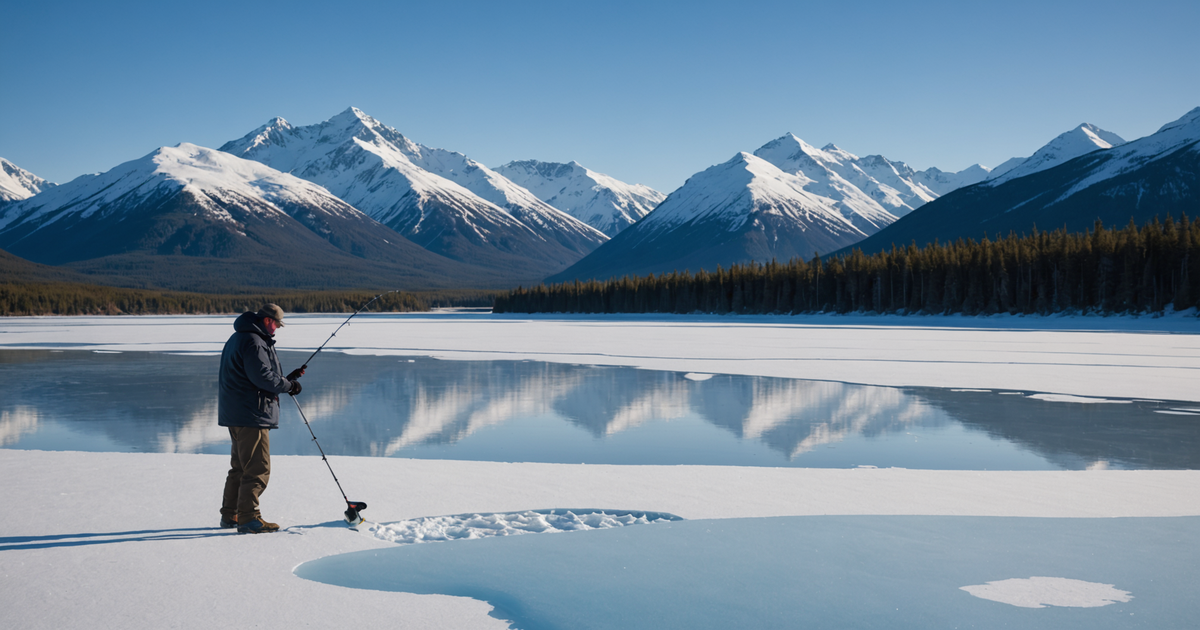
Ice fishing for lake trout in Alaska is not just about catching fish; it’s an experience that combines the rugged beauty of the Alaskan wilderness with the thrill of the catch. As winter blankets the lakes, the opportunity to engage in this exhilarating activity draws anglers from around the world. Known for their impressive size and strength, lake trout are a prized catch among ice fishermen. In this guide, we’ll delve into essential tips on how to catch lake trout ice fishing in Alaska, ensuring you make the most of your icy adventure. For more detail, see further information.
Understanding Lake Trout Behaviour
To successfully catch lake trout, understanding their behaviour during winter months is crucial. Lake trout tend to inhabit deeper waters, especially as lakes freeze over. During early winter, they are often found near rocky structures and submerged islands. As the season progresses, they move to deeper waters in pursuit of food. Knowing these patterns can significantly improve your success rate. For more detail, see detailed advice.
Choosing the Right Location. For more detail, see planning resources.
Selecting the right location is a fundamental step. Popular regions like the Anchorage area offer numerous spots where lake trout are abundant. Consider areas with known underwater structures, as lake trout often use these as hunting grounds. Utilising resources like NOAA for weather patterns and OpenStreetMap for topographical information can aid in planning your trip. For more detail, see local insights.
Essential Gear for Ice Fishing Lake Trout
Equipping yourself with the right gear is vital for a successful ice fishing trip. Here are some must-haves:
-
Auger: An ice auger is essential for drilling holes in the ice. A power auger can save time and effort, especially on thicker ice.
-
Rod and Reel: A medium-heavy rod with a sensitive tip is ideal for detecting bites from lake trout. Pair it with a sturdy reel that can handle the fight these fish are known for.
-
Bait and Lures: Popular choices include live bait like minnows and artificial lures that mimic the movement of prey. Brightly coloured jigs can be particularly effective in attracting lake trout under the ice.
For more insights on fishing gear, explore our fishing equipment category for expert advice and product recommendations.
Techniques for Catching Lake Trout
Jigging Techniques
Jigging is the most effective technique for ice fishing lake trout. It involves lifting and dropping the bait to mimic injured prey. Vary your jigging speed and depth to find what works best on any given day. Lake trout are curious and responsive to different movements, so experimenting can often yield results.
Tip-Ups
Using tip-ups can increase your chances as they allow you to fish multiple holes simultaneously. Set them up with live bait at various depths to cover a broader area. This passive technique complements active jigging and lets you monitor more lines without constant attention.
Safety Measures
Ice fishing in Alaska requires strict adherence to safety protocols. Always check ice thickness—at least 4 inches is recommended for walking, and more for vehicles. Dress in layers and carry safety gear like ice picks and a throw rope. Staying informed about local regulations is also crucial. Visit Alaska Department of Fish and Game’s regulations page for up-to-date information.
Guided Ice Fishing Adventures in Alaska
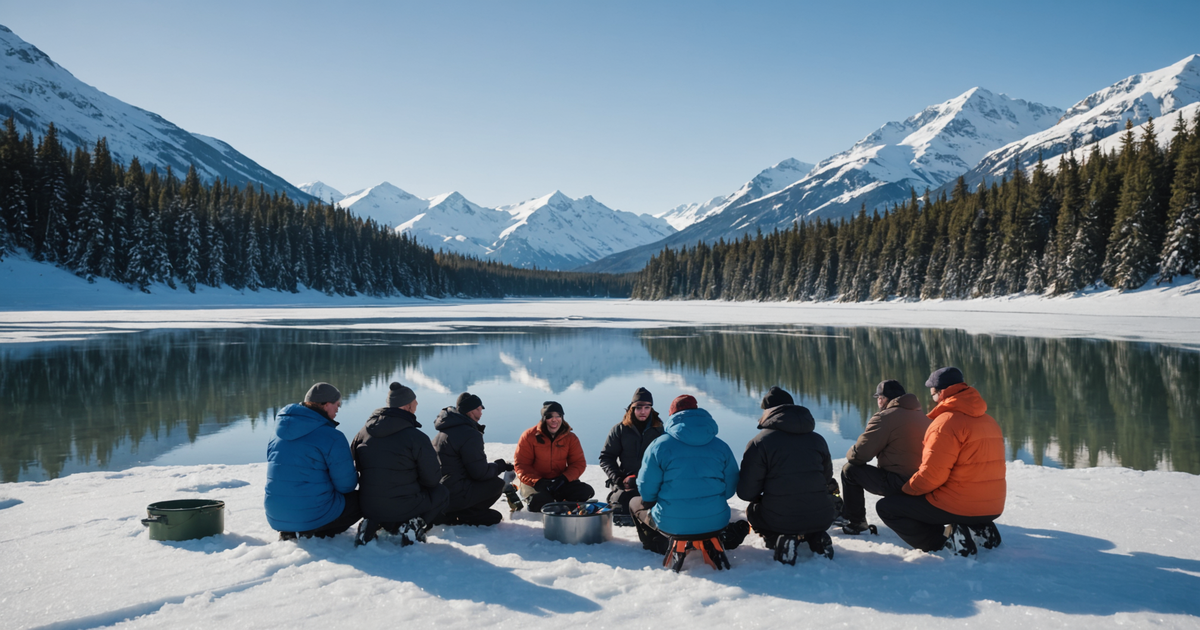
For those new to ice fishing or seeking a comprehensive Alaskan experience, guided trips offer an excellent opportunity. Professional guides provide equipment, local knowledge, and safety assurances. Consider a full-day snowmobile ice fishing trip for an unforgettable adventure that combines fishing with the thrill of snowmobiling across the Alaskan wilderness.
Conclusion
Ice fishing for lake trout in Alaska offers a unique blend of challenge and reward set against the backdrop of breathtaking winter landscapes. Whether you’re a seasoned angler or a first-timer, understanding lake trout behaviour, choosing the right gear, and employing effective techniques can greatly enhance your experience. For those seeking a more structured adventure, guided trips provide an excellent way to enjoy the sport safely and successfully.
FAQ
What is the best time of year to ice fish for lake trout in Alaska?
The prime season for ice fishing lake trout in Alaska is from late November to early March. During this period, the ice is typically thick enough to safely support anglers.
How thick should the ice be for safe ice fishing?
The ice should be at least 4 inches thick for walking and thicker if you plan to drive a vehicle onto it. Always check local conditions and consult with NOAA for weather updates.
What kind of bait is best for lake trout?
Live bait like minnows and smelt are highly effective. Additionally, brightly coloured jigs and lures that mimic prey movements can attract lake trout.
Do I need a fishing licence to ice fish in Alaska?
Yes, a fishing licence is required. You can obtain one from the Alaska Department of Fish and Game.
Can I join a guided ice fishing trip in Alaska?
Absolutely. Guided trips are available and provide everything from gear to local expertise. Check out our guided tours for more information.
What safety equipment should I bring?
Essential safety gear includes an ice auger, ice picks, a throw rope, and wearing layers for warmth. Always inform someone of your location and expected return time.
Are there any specific regulations I should be aware of?
Yes, regulations can vary by location and season. Always consult the Alaska Department of Fish and Game’s regulations page before your trip.
Embark on your Alaskan ice fishing adventure with the right knowledge and preparation for an experience that is both thrilling and rewarding.