
Introduction
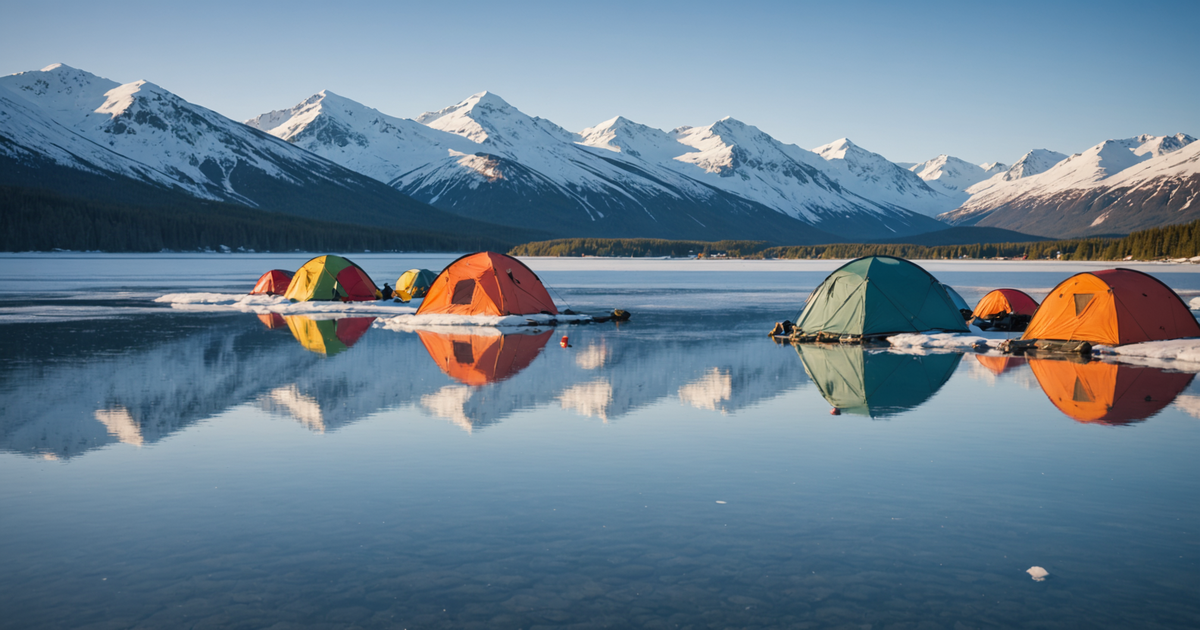
Ice fishing for pike in Alaska is a quintessential winter adventure, offering a serene yet exhilarating experience amidst the vast, frozen landscapes of the Last Frontier. The allure of this unique angling pursuit lies in the challenge of braving the elements and the thrill of the catch. Alaska, renowned for its pristine wilderness and abundant wildlife, offers some of the best ice fishing opportunities in the world. This comprehensive guide will walk you through everything you need to know to embark on your own adventure, from the preparation to the catch. For more detail, see official guidance.
Preparing for Your Ice Fishing Adventure
Before heading to Alaska for ice fishing, adequate preparation is crucial. The extreme weather conditions and remote locations demand a well-thought-out plan. First, ensure you have the proper fishing gear. This includes sturdy rods, reels, and lines suitable for pike, as well as ice augers for drilling through thick ice. For a detailed exploration of fishing gear, visit our guide on essential equipment. For more detail, see further information.
Clothing and Safety. For more detail, see detailed advice.
Dressing appropriately is paramount when ice fishing in Alaska. Layered clothing, windproof jackets, insulated boots, and thermal gloves are essential to stay warm and dry. Additionally, carry safety gear such as ice picks and a life vest. For tips on customising your gear with unique fish decals, explore our DIY section. For more detail, see planning resources.
Licenses and Regulations. For more detail, see local insights.
Before setting out, ensure that you have the necessary fishing licenses and are familiar with the regional regulations. The Alaska Department of Fish and Game provides detailed information on licensing and fishing guidelines. It’s crucial to adhere to these regulations to conserve local fish populations and avoid penalties.
Best Locations for Ice Fishing for Pike
Alaska boasts numerous prime locations for ice fishing, each offering unique scenery and challenges. Some of the most renowned spots include:
Minto Flats
Minto Flats, located northwest of Fairbanks, is a vast wetland area teeming with northern pike. The area is known for its large pike and offers a tranquil setting for anglers seeking solitude. Explore Fairbanks for more information on accessing Minto Flats.
Susitna River Basin
The Susitna River Basin is another popular destination. With vast stretches of frozen water, it provides an ideal environment for ice fishing. The region’s accessibility from Anchorage makes it a convenient choice for anglers. For travel tips, Travel Alaska offers comprehensive resources on planning your trip.
Lake Louise
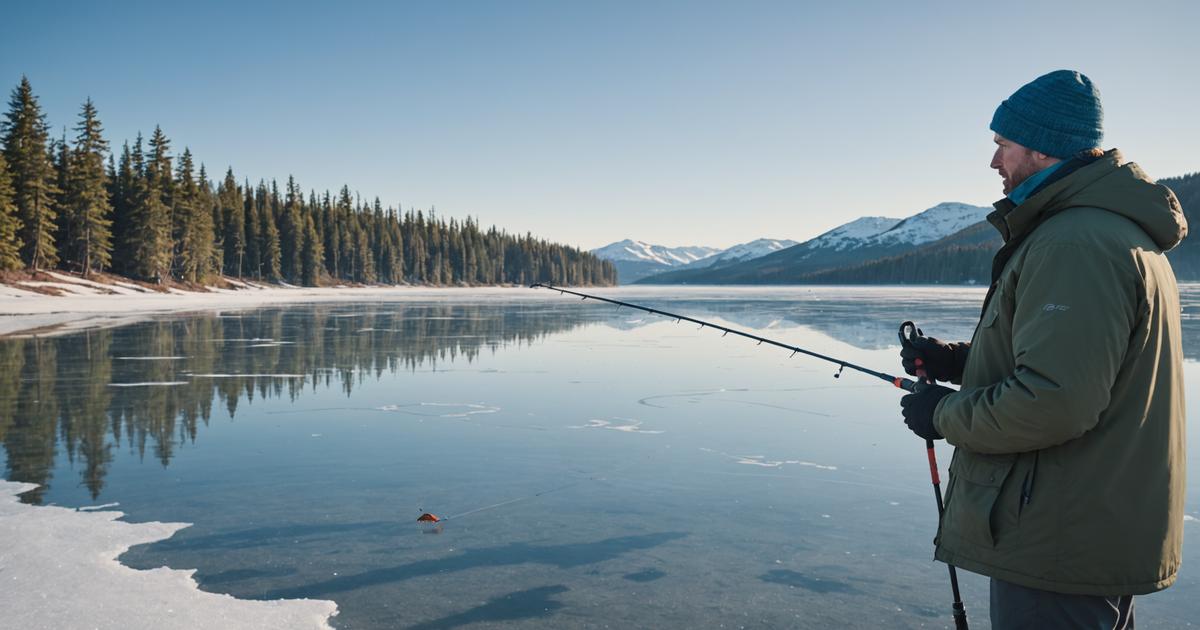
Lake Louise, located in south-central Alaska, is renowned for its large pike and picturesque surroundings. This lake is a favourite among locals and visitors alike. The nearby facilities and services make it an excellent choice for those new to ice fishing.
Techniques for Catching Pike
Ice fishing for pike requires specific techniques to increase your chances of success. Using the right bait and lures, understanding pike behaviour, and employing effective jigging techniques are all essential.
Bait and Lures
Pike are aggressive predators, and using live bait such as minnows or dead bait like smelt can be highly effective. For artificial lures, consider using brightly coloured spoons and plugs. Our guide on plug fishing lures provides insights into selecting the best lures for pike.
Jigging Techniques
Jigging is a popular technique for ice fishing, involving the rhythmic lifting and dropping of the lure to attract fish. Patience and experimentation with different jigging patterns can yield impressive results. For more advanced techniques, check out our section on fishing techniques.
Planning Your Trip
To maximise your Alaskan ice fishing experience, consider booking a guided tour. Guided tours offer expertise and equipment, ensuring a safe and successful adventure. Check out all guided fishing tours for options that suit your preferences.
Accommodation and Travel
When planning your trip, consider the logistics of travel and accommodation. Many prime fishing spots offer local lodging options, while others may require camping or nearby hotel stays. Anchorage Area provides insights into accommodation options and travel arrangements.
Conclusion
Ice fishing for pike in Alaska is an unparalleled adventure, offering the chance to connect with nature and experience the thrill of the catch. With the right preparation, knowledge of the best locations, and effective fishing techniques, you can enjoy a successful and memorable trip. Always remember to respect the environment and adhere to local regulations to preserve this pristine wilderness for future generations.
FAQ
What is the best time for ice fishing for pike in Alaska?
The ideal time for ice fishing for pike in Alaska is typically from December to March, when the ice is thickest and most stable.
Do I need a special licence to ice fish in Alaska?
Yes, a fishing licence from the Alaska Department of Fish and Game is required for ice fishing in Alaska.
What equipment is essential for ice fishing?
Essential equipment includes ice fishing rods, reels, lines, ice augers, and suitable bait or lures. Warm clothing and safety gear are also crucial.
Are guided ice fishing tours available in Alaska?
Yes, guided tours are available and recommended for those unfamiliar with the area. They provide equipment and local expertise.
How thick should the ice be for safe fishing?
Ice should be at least 4 inches thick for safe fishing, but thicker ice is preferable for added safety.
Can I fish for species other than pike while ice fishing in Alaska?
Yes, other species such as trout and char can also be targeted, depending on the location.
What safety precautions should I take while ice fishing?
Always check ice thickness, wear a life vest, carry ice picks, and inform someone of your location before heading out.
For additional information and assistance, feel free to contact us.