
Introduction
Ice fishing is a quintessential winter activity in Alaska, drawing anglers from around the globe eager to experience the serene beauty and thrilling catches beneath the frozen surfaces of its lakes and rivers. With temperatures plummeting and winds howling, having a reliable ice fishing shelter becomes not just a luxury, but a necessity. These shelters are designed to withstand Alaska’s harsh winter conditions, providing warmth and comfort to anglers as they patiently await the tug of a line. This blog post will delve into the types of ice fishing shelters suitable for Alaska’s extreme environment, offering insights into their features, benefits, and how they enhance the ice fishing experience. For more detail, see official guidance.
Types of Ice Fishing Shelters
Portable Ice Fishing Shelters. For more detail, see further information.
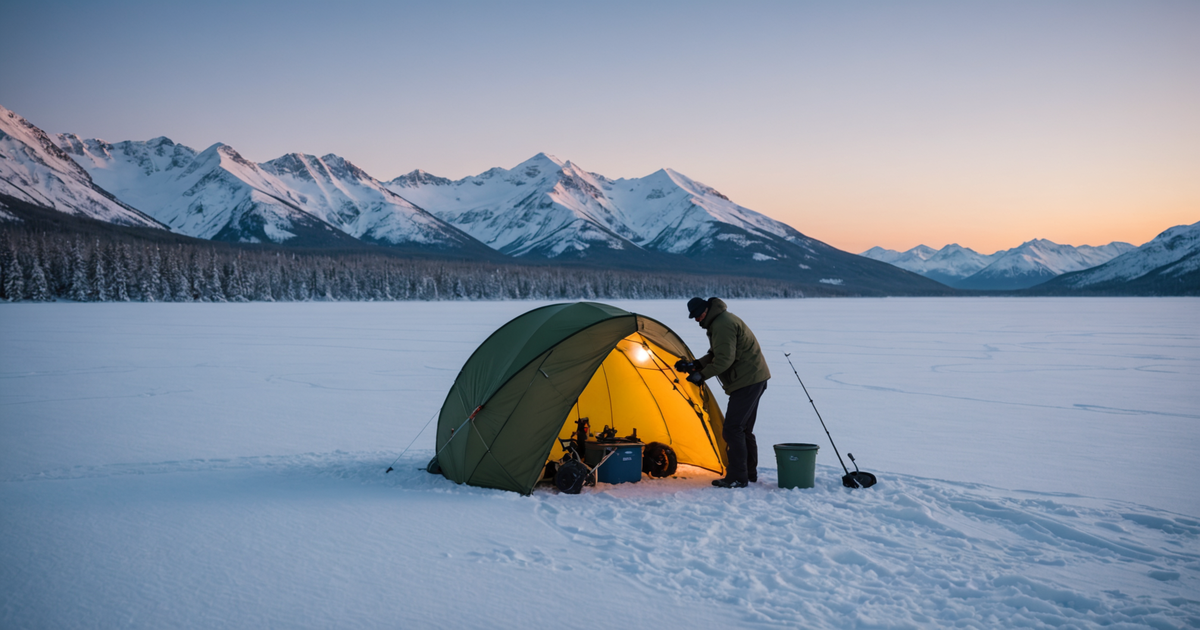
Portable ice fishing shelters are favoured for their convenience and ease of use. Often referred to as “pop-up shelters” or “hub shelters,” they are lightweight and can be set up or taken down in a matter of minutes. These shelters are typically made from durable fabric that is resistant to tears and water, ensuring that anglers remain dry and protected from the elements. For more detail, see detailed advice.
One of the key advantages of portable shelters is their flexibility. Anglers can quickly move to different fishing spots without the hassle of dismantling a complex structure. This mobility is particularly beneficial in Alaska, where fish activity can vary significantly across different areas of a lake or river. For those interested in a full-day snowmobile ice fishing adventure, a portable shelter is an ideal companion. For more detail, see planning resources.
Flip-Over Ice Fishing Shelters. For more detail, see local insights.
Flip-over shelters are another popular choice among ice anglers. These shelters are designed with a sled base, allowing for easy transportation across the ice. The shelter itself is attached to the sled and can be flipped over to create an instant enclosure. This design is particularly advantageous in windy conditions, as it provides a sturdy and stable shelter that is less likely to be affected by gusts.
Flip-over shelters often come with built-in seating, adding an element of comfort that is appreciated during long fishing sessions. Their robust construction makes them a suitable choice for the unpredictable weather conditions often encountered in Alaska’s wilderness.
Permanent Ice Fishing Shelters
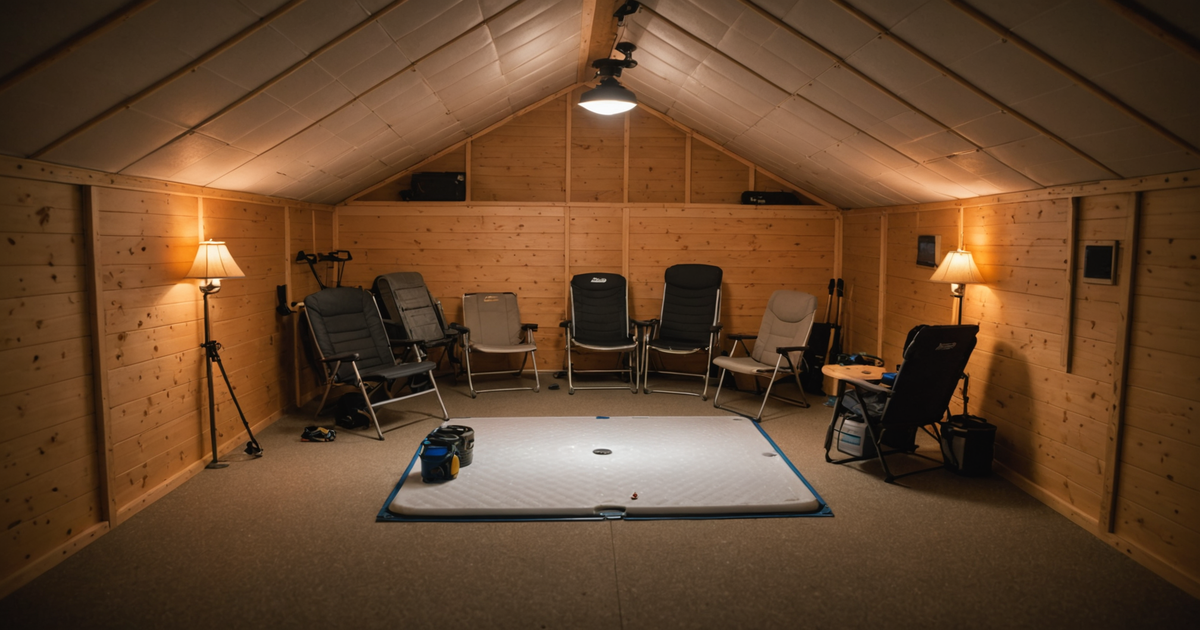
For those who prefer a more permanent setup, hard-sided or permanent ice fishing shelters offer superior protection and amenities. These shelters resemble small cabins and are equipped with heating systems, insulation, and even kitchenettes. While they lack the mobility of portable or flip-over shelters, they provide an unparalleled level of comfort and are perfect for anglers planning extended stays on the ice.
Permanent shelters are typically custom-built to withstand the harshest of Alaskan winters. They offer a stable and secure environment, allowing anglers to focus solely on fishing without the distraction of battling the elements.
Essential Features of Ice Fishing Shelters
Insulation and Heating
Insulation is a critical feature of any ice fishing shelter. Good insulation ensures that the warmth generated inside the shelter is retained, keeping anglers comfortable even in sub-zero temperatures. Many shelters come with built-in thermal layering, while others offer the option to add additional insulation.
Heating systems, such as propane heaters, are often used in conjunction with insulated shelters to provide a steady source of warmth. When using heaters, it is essential to ensure proper ventilation to prevent the buildup of carbon monoxide.
Durability and Stability
Alaska’s winter conditions can be incredibly harsh, with strong winds and heavy snowfall being common occurrences. As such, the durability and stability of an ice fishing shelter are paramount. Look for shelters constructed from high-quality materials, such as heavy-duty fabric and robust frames, to ensure they can withstand the elements.
Stability features, such as reinforced frames and secure anchoring systems, are also important. They help prevent the shelter from being displaced by strong winds, ensuring a safe and secure environment for ice fishing.
Ventilation
While warmth is a priority, proper ventilation is equally important to prevent condensation and ensure a supply of fresh air. Many ice fishing shelters are equipped with adjustable vents that allow anglers to control airflow and maintain a comfortable environment. This feature is especially crucial when using heaters inside the shelter.
Choosing the Right Ice Fishing Shelter
Selecting the right ice fishing shelter depends on several factors, including the intended duration of stay, mobility requirements, and personal comfort preferences. Anglers planning to explore various fishing gear options may prefer a portable shelter for its versatility, while those looking for an extended retreat might opt for a permanent structure.
Before purchasing a shelter, consider the typical weather conditions in the area where you plan to fish and the level of protection required. Consulting with local experts or guides, such as those available through Alaska Adventure Guides, can provide valuable insights and recommendations tailored to your specific needs.
Conclusion
Ice fishing in Alaska is a unique and rewarding experience that requires preparation and the right equipment to fully enjoy. Ice fishing shelters are an essential component of this preparation, offering protection from the elements and enhancing the overall fishing experience. Whether you choose a portable, flip-over, or permanent shelter, ensure it meets the demands of Alaska’s challenging winter conditions. With the right shelter, you can focus on the thrill of the catch and the beauty of the Alaskan landscape.
FAQ
What is the best type of ice fishing shelter for beginners?
For beginners, a portable ice fishing shelter is often the best choice due to its ease of setup and mobility. These shelters allow new anglers to explore different spots without commitment to a single location.
How do I maintain warmth inside an ice fishing shelter?
Using an insulated shelter with a portable propane heater is an effective way to maintain warmth. Ensure proper ventilation to prevent carbon monoxide buildup.
Can I use a regular camping tent as an ice fishing shelter?
While it is possible, regular camping tents are not designed for the harsh conditions of ice fishing. They may lack the necessary insulation and durability.
How do I anchor my ice fishing shelter to prevent it from being blown away?
Most shelters come with ice anchors or stakes. Use these to secure your shelter to the ice, ensuring it remains stable during windy conditions.
Are there any regulations regarding ice fishing shelters in Alaska?
Yes, there are specific regulations regarding the placement and use of ice fishing shelters in Alaska. It’s important to check local regulations before setting up your shelter.
How do I choose the right size of an ice fishing shelter?
Consider the number of people who will be using the shelter and the amount of gear you plan to store inside. Larger shelters offer more space but may be less portable.
Is it safe to leave a permanent ice fishing shelter on the ice overnight?
Yes, it is generally safe to leave a well-anchored permanent shelter on the ice overnight, provided that the ice is thick enough and weather conditions are stable.
Where can I find more information about ice fishing in Alaska?
For comprehensive guidance, consider exploring resources like Travel Alaska and Alaska Adventure Guides.