
Introduction
Alaska, the largest state in the United States, is renowned for its breathtaking landscapes and abundant wildlife. Among its myriad natural treasures are the Pacific salmon species, which play a crucial role in the region’s ecosystem and economy. Identifying Pacific salmon in Alaska is not only essential for anglers but also for anyone interested in understanding this vital part of the state’s natural heritage. In this guide, we will delve into the characteristics and habitats of the five main species of Pacific salmon found in Alaska: Chinook, Coho, Sockeye, Pink, and Chum. For more detail, see official guidance.
The Five Main Species of Pacific Salmon
Understanding the distinct features of each salmon species is key to successful identification. Each has unique physical characteristics, life cycles, and habitats. For more detail, see further information.
Chinook Salmon (Oncorhynchus tshawytscha). For more detail, see detailed advice.
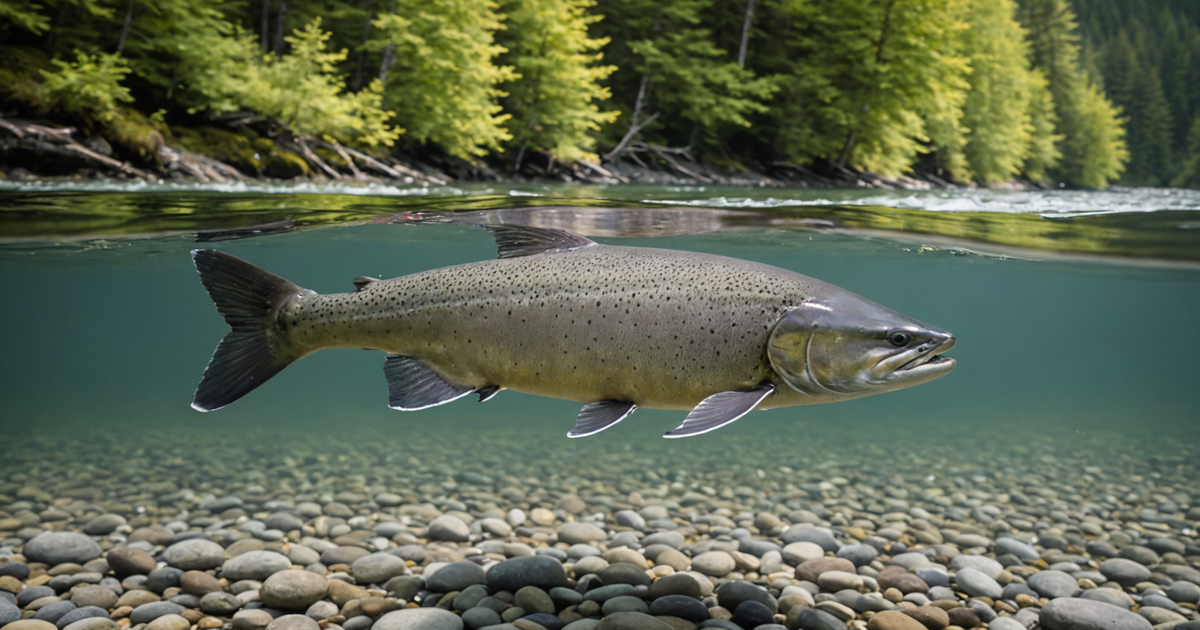
Also known as the King salmon, Chinook is the largest of the Pacific salmon species. They can weigh over 100 pounds, though the average size is typically between 30 and 50 pounds. Their distinguishing features include a black mouth with a black gum line and small, irregular spots on their backs and tails. The Chinook’s flesh is rich and high in omega-3 fatty acids, making it a prized catch for anglers. For more detail, see planning resources.
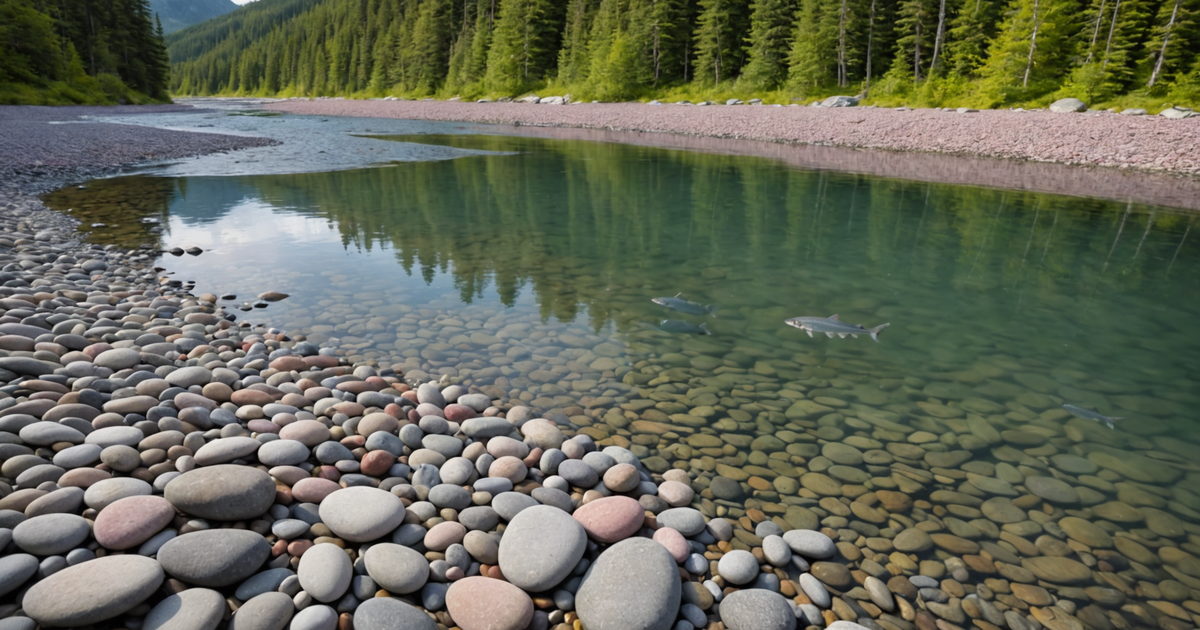
Chinook salmon are typically found in large rivers and estuaries, with significant populations in the Yukon, Kuskokwim, and Copper rivers. They spawn in freshwater streams and rivers, often traveling hundreds of miles upstream. For more detail, see local insights.
Coho Salmon (Oncorhynchus kisutch)
Coho salmon, or Silver salmon, are known for their acrobatic prowess and aggressive nature, which makes them a favourite among sport fishers. They are medium-sized, averaging 8 to 12 pounds. Coho have a dark mouth with white gums, and their backs are covered in small black spots.
Coho are found in coastal streams, particularly in Southeast Alaska and the Kenai Peninsula. They prefer smaller streams and rivers for spawning and are often seen in late summer to early autumn.
Sockeye Salmon (Oncorhynchus nerka)
Sockeye salmon, also known as Red salmon due to their vibrant colour during spawning, are smaller, weighing between 4 and 8 pounds. They have a slender, streamlined body and no distinct spots on their back or tail. During spawning, their bodies turn bright red with a green head.
Sockeyes are unique among salmon for their reliance on lakes near spawning streams. They are primarily found in Bristol Bay and the Copper River. The culinary appeal of their deep-red flesh makes them highly popular in Alaskan cuisine.
Pink Salmon (Oncorhynchus gorbuscha)
Pink salmon, or Humpies, are the smallest and most abundant of the Pacific salmon species. They weigh around 3 to 5 pounds. Pinks are easily identified by their large oval spots on their back and tail and the males’ distinctive humped back during spawning.
These salmon are prevalent in coastal streams and rivers across Alaska. They have a two-year life cycle, which means they spawn every other year in large numbers, often overwhelming other species.
Chum Salmon (Oncorhynchus keta)
Also known as Dog salmon, Chum are medium to large fish, weighing between 10 and 20 pounds. They have a calico pattern of vertical bars on their body when spawning. Their mouth is white with a white gum line, and they have no distinctive spots.
Chum salmon inhabit a broad range of rivers throughout Alaska, from the Yukon River to streams near Anchorage. They are known for their resilience and ability to spawn in a variety of stream conditions.
Conservation and Responsible Fishing
Understanding the different species of Pacific salmon is crucial for conservation efforts. Overfishing and habitat destruction have posed significant threats to salmon populations. It’s vital to adhere to local fishing regulations to ensure sustainable fishing practices.
Anglers can contribute to conservation by practising catch and release, using barbless hooks, and following guidelines provided by the Alaska Department of Fish and Game. Participating in guided fishing tours can also enhance understanding and appreciation of these remarkable fish, as seen in Matanuska Glacier excursions.
Conclusion
Identifying Pacific salmon in Alaska enriches the fishing experience and fosters a deeper connection with the natural environment. Whether you’re an enthusiastic angler or a curious traveller, understanding these species’ unique characteristics and habitats will enhance your appreciation of Alaska’s vibrant ecosystems. For those planning a fishing trip, resources like Travel Alaska provide valuable insights into the best fishing spots and seasons.
FAQ
What is the best time to fish for Pacific salmon in Alaska?
The optimal time varies by species, but generally, the summer months from June to September are prime for salmon fishing. Specific runs can be targeted depending on the river and location.
How can I differentiate between Chinook and Coho salmon?
Chinook salmon are generally larger and have a black mouth with black gums. Coho salmon, on the other hand, have a dark mouth with white gums and are known for their acrobatic jumps.
Are there regulations for salmon fishing in Alaska?
Yes, the Alaska Department of Fish and Game sets regulations for salmon fishing to ensure conservation and sustainability. It’s important to check current rules before fishing.
What equipment is recommended for salmon fishing in Alaska?
Using quality rods and reels, suitable lures, and lines rated for the size of salmon you’re targeting can enhance your fishing experience. Guides often provide gear and expertise on guided fishing tours.
Why are Pacific salmon important to the ecosystem?
Pacific salmon are a keystone species, contributing nutrients to freshwater and terrestrial ecosystems. They support a variety of wildlife and are integral to the culture and economy of Alaska.
Can I eat the salmon I catch in Alaska?
Yes, many anglers enjoy consuming their catch. However, it’s essential to follow local guidelines for safe consumption and proper handling to ensure the fish’s quality.
What are the challenges facing Pacific salmon populations?
Challenges include habitat loss, climate change, and overfishing. Conservation efforts focus on habitat restoration and sustainable fishing practices to protect these vital species.
Where can I learn more about salmon fishing techniques?
For further information, resources such as Fish Alaska Magazine offer comprehensive guides and tips on effective salmon fishing strategies.