
Introduction
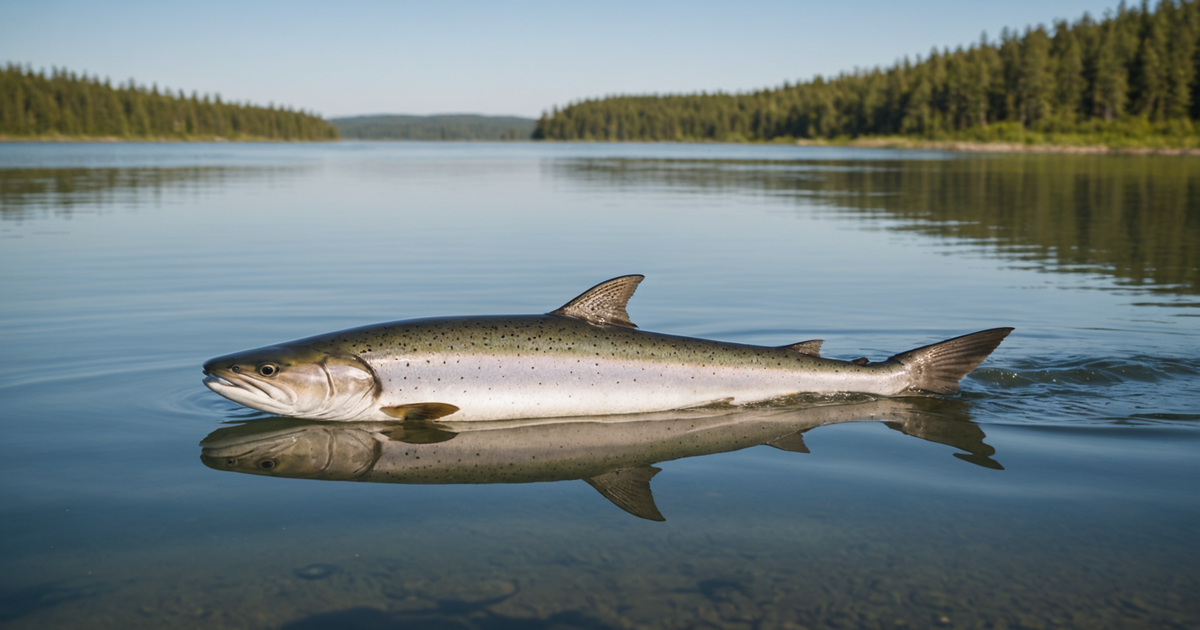
Alaska is a land of astonishing natural beauty, with its abundant wildlife and pristine waters making it a prime location for anglers and nature enthusiasts alike. Among the various aquatic species that inhabit its waters, the king salmon stands out as a symbol of strength and resilience. The juvenile king salmon, in particular, plays a crucial role in the lifecycle of this majestic fish. This article delves into the fascinating world of juvenile king salmon, exploring their habitat, lifecycle, and importance to Alaska’s ecosystem. For more detail, see official guidance.
The Lifecycle of King Salmon
King salmon, also known as Chinook salmon, are the largest of the Pacific salmon species and are renowned for their size and fighting spirit. Understanding the lifecycle of these fish is essential to appreciating the significance of their juvenile stage. For more detail, see further information.
Spawning and Early Life. For more detail, see detailed advice.
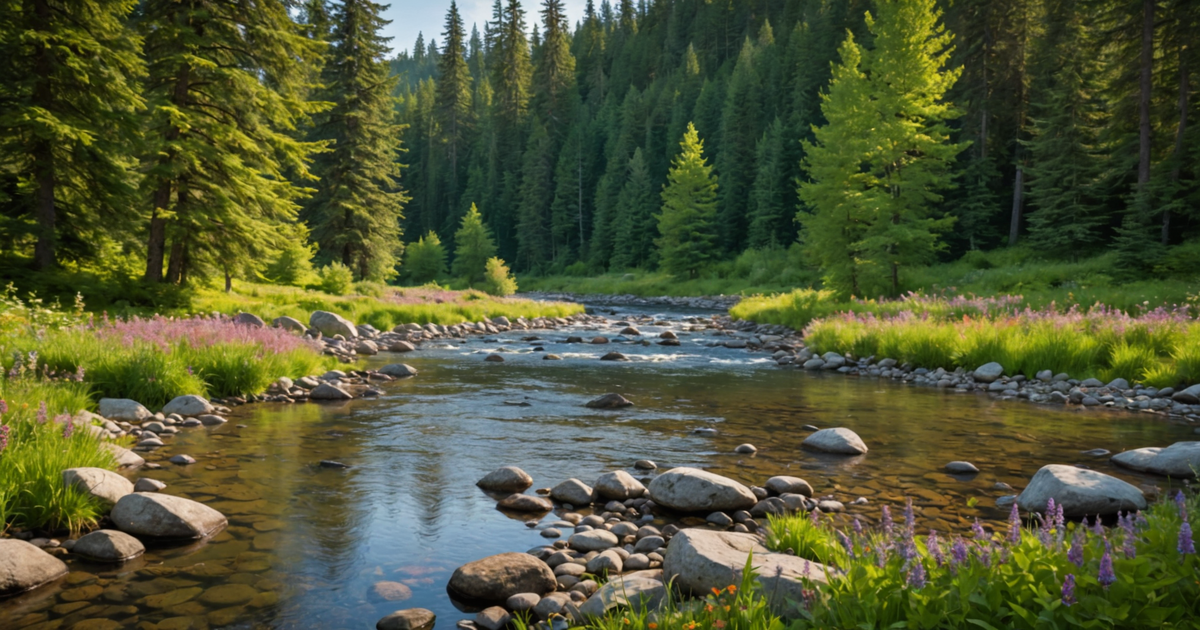
King salmon are anadromous fish, meaning they are born in freshwater, migrate to the ocean, and return to freshwater to spawn. The lifecycle begins when adult salmon return to their natal streams to spawn, usually between May and July. After spawning, the eggs are deposited into gravel beds, where they incubate over the winter months. For more detail, see planning resources.
In spring, the eggs hatch into alevins, which remain hidden in the gravel while they consume their yolk sac. Once the yolk is depleted, the young salmon emerge as fry and begin their journey downstream towards the estuaries and eventually the ocean. For more detail, see local insights.
Juvenile Stage
The juvenile stage is a critical period for king salmon, as they undergo significant growth and development. During this time, they are known as smolts, a transitional phase where they adapt from freshwater to saltwater environments. The smolts spend time in estuarine areas, acclimating to the salinity changes before venturing into the open ocean. This adaptation is crucial for their survival and future reproductive success.
The Importance of Juvenile King Salmon
Juvenile king salmon are not only pivotal to the population dynamics of their species but also play a significant role in the broader ecosystem. Their journey from freshwater to the ocean is fraught with challenges, and their survival rates can be influenced by a variety of factors.
Ecological Role
Juvenile king salmon serve as a vital food source for a range of predators, including birds, larger fish, and marine mammals. Their presence in the food chain supports the biodiversity of Alaska’s aquatic ecosystems. Additionally, their migration patterns contribute to nutrient cycling between freshwater and marine environments, enriching the productivity of both.
Conservation Efforts
The preservation of juvenile king salmon is essential for maintaining healthy populations of this iconic species. Various conservation measures are in place to protect their habitats and ensure sustainable fishing practices. Organisations such as the Alaska Department of Fish and Game are actively involved in monitoring salmon populations and implementing regulations to manage fisheries sustainably.
For anglers interested in catching king salmon, understanding the nuances of fishing techniques is crucial. Learn more about effective fishing tactics for salmon to enhance your fishing experience.
Factors Affecting Juvenile King Salmon Survival
Several environmental and anthropogenic factors can impact the survival rates of juvenile king salmon. These include climate change, habitat degradation, and overfishing.
Climate Change
Climate change poses a significant threat to king salmon, affecting water temperatures and altering the timing of their life cycle events. Warmer water temperatures can lead to reduced survival rates for eggs and juveniles, as well as changes in their migration patterns.
Habitat Degradation
Human activities such as logging, mining, and urban development can lead to habitat degradation, affecting the quality of freshwater and estuarine environments critical for juvenile salmon development. Efforts to restore and preserve these habitats are crucial for the survival of juvenile king salmon.
Sustainable Fishing Practices
Overfishing can deplete salmon populations, putting pressure on their juvenile stages. It is essential for anglers to adhere to fishing regulations to ensure the sustainable use of this valuable resource. For those planning a fishing trip, consider consulting Alaska fishing charters to ensure a responsible and memorable experience.
Conclusion
The juvenile king salmon is a vital component of Alaska’s aquatic ecosystems, playing a crucial role in the lifecycle of this iconic species. Their survival and development are influenced by various environmental and human factors, making conservation efforts essential for their continued existence. By understanding the challenges faced by juvenile king salmon and adopting sustainable practices, we can help preserve this remarkable species for future generations.
FAQ
What is a juvenile king salmon?
A juvenile king salmon is a young Chinook salmon that has not yet reached maturity. This stage includes the fry, parr, and smolt phases as they transition from freshwater to the ocean.
Why are juvenile king salmon important?
Juvenile king salmon are important because they contribute to the population dynamics of their species and play a crucial role in the ecosystem as a food source for predators and in nutrient cycling.
How do juvenile king salmon adapt to saltwater?
Juvenile king salmon undergo a physiological transformation called smolting, which allows them to adapt to the salinity of the ocean. This process occurs as they move from freshwater to estuarine environments.
What threats do juvenile king salmon face?
Juvenile king salmon face several threats, including climate change, habitat degradation, and overfishing, all of which can impact their survival rates.
How can anglers help protect juvenile king salmon?
Anglers can help protect juvenile king salmon by practicing sustainable fishing techniques, adhering to fishing regulations, and supporting conservation efforts. For more tips, consider reading salmon fishing tips.
When is the best time to fish for king salmon in Alaska?
The best time to fish for king salmon in Alaska is typically during the summer months when they return to spawn. For detailed information, check out Alaska salmon fishing seasons.
What conservation efforts are in place for king salmon?
Conservation efforts for king salmon include habitat restoration, monitoring of populations, and the implementation of sustainable fishing regulations by organisations such as the NOAA Fisheries.
Where can I learn more about fishing in Alaska?
To learn more about fishing in Alaska, consider visiting Travel Alaska’s fishing page for comprehensive guides and recommendations for planning your fishing trip.