
Introduction
The Kenai River in Alaska is renowned for its vibrant salmon runs, attracting anglers from around the globe eager to experience the thrill of salmon fishing. Among the various species of salmon, the red salmon, also known as sockeye, is particularly sought after for its challenging catch and delicious taste. Monitoring the Kenai red salmon count is crucial for planning your fishing trip to coincide with peak runs. This guide will delve into the intricacies of fishing for red salmon on the Kenai River, offering insights into guided fishing opportunities, optimal fishing times, and essential tips for a successful trip. For more detail, see official guidance.
Understanding the Kenai Red Salmon Count
The kenai red salmon count refers to the monitoring of salmon numbers as they return to the river to spawn. This data is critical for fisheries management and informs anglers about the best times to fish. The Alaska Department of Fish and Game provides daily counts during the spawning season, which typically peaks in July. These counts help anglers and guides plan their trips to ensure maximum success. For more detail, see further information.
Importance of Guided Fishing on the Kenai River
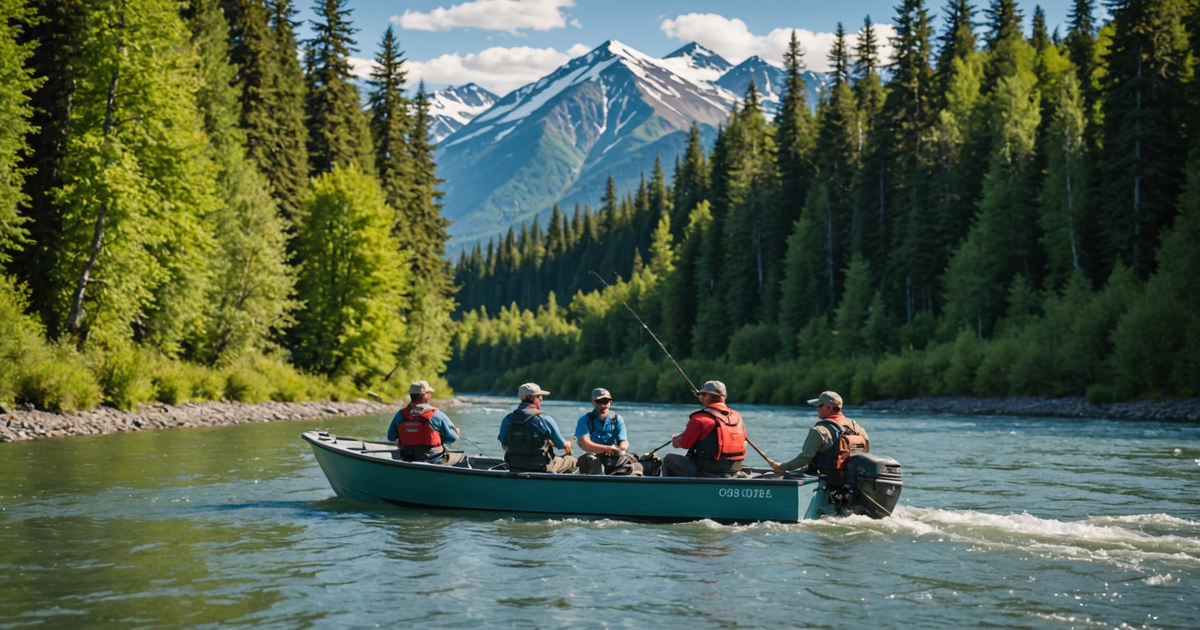
For those unfamiliar with the Kenai River, hiring a local guide can enhance your fishing experience significantly. Guides possess expert knowledge of the river’s ecosystems, salmon behaviour, and the best fishing spots. They also provide the necessary equipment and ensure compliance with local fishing regulations. Engaging with a guide from Alaska Adventure Guides can transform a good fishing trip into an unforgettable adventure. For more detail, see detailed advice.
Planning Your Trip Around Peak Salmon Runs
The timing of your trip is crucial. The sockeye salmon run is typically strongest from mid-July to early August. Planning your visit during this period increases your chances of a bountiful catch. Keep an eye on the red salmon counts as they are updated throughout the season to time your trip perfectly. . For more detail, see planning resources.
Techniques and Tips for Catching Red Salmon
Catching red salmon requires skill and patience. Here are some techniques to consider:. For more detail, see local insights.
- Drift Fishing: This involves casting your line upstream and letting it drift naturally with the current. It’s a popular method among locals.
- Flossing: A technique that involves casting a line with a long leader to catch the salmon in the mouth, as they are not inclined to bite.
- Fly Fishing: Favoured by many anglers, this method can be particularly rewarding when executed correctly. For tips on fly fishing, check out these fly fishing articles.
What to Bring on Your Kenai River Fishing Trip
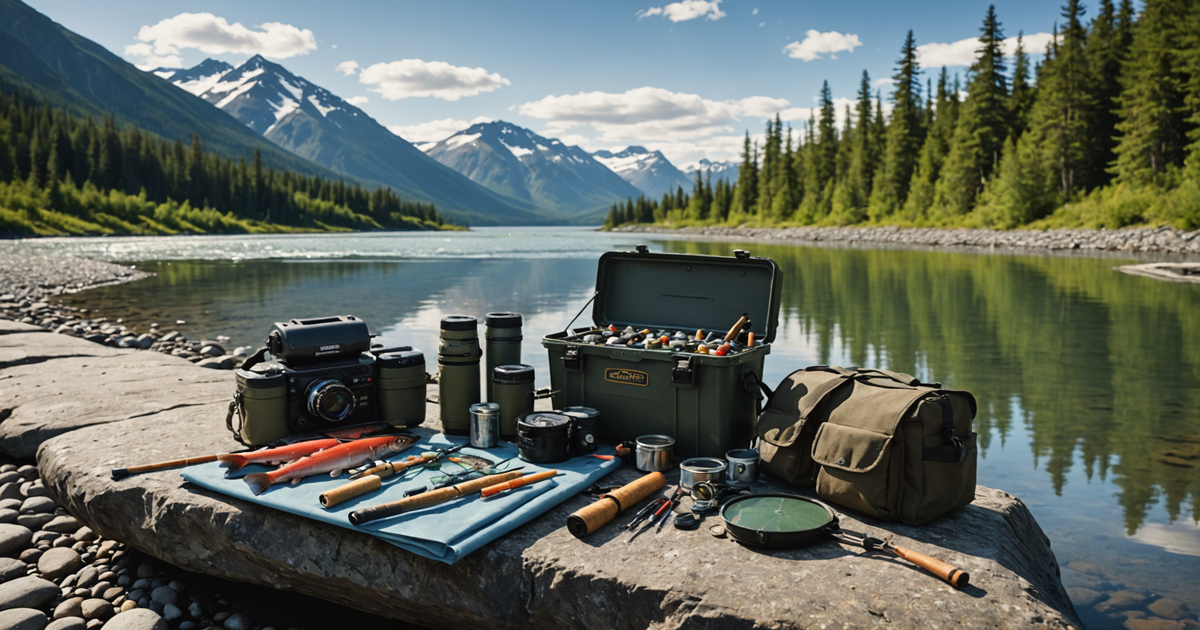
Preparation is key to a successful fishing trip. Here’s what you should pack:
- Fishing Gear: Most guides provide equipment, but if you prefer using your own, ensure it is suitable for salmon fishing.
- Clothing: Weather in Alaska can be unpredictable. Dress in layers and bring waterproof gear.
- Licences and Permits: Ensure you have the appropriate fishing licences before heading out.
For customising your gear, consider fish decals to add a personal touch to your equipment.
The Role of Conservation in Salmon Fishing
Conservation efforts are vital to sustaining the salmon population in the Kenai River. Responsible fishing practices ensure the river remains a prime location for future generations. Familiarise yourself with the NOAA’s guidelines and practice catch and release where appropriate to contribute to conservation efforts.
Conclusion
Fishing for red salmon on the Kenai River is more than just a sport; it’s an opportunity to connect with nature and experience the wild beauty of Alaska. By tracking the Kenai red salmon count and planning your trip with a local guide, you can maximise your chances of a successful and memorable adventure. Whether you’re a seasoned angler or a novice, the Kenai River offers an unparalleled fishing experience.
FAQ
1. What is the best time to fish for red salmon on the Kenai River?
The peak season for red salmon runs is typically from mid-July to early August. Monitoring the salmon counts will help you plan accordingly.
2. Do I need a special licence to fish for salmon in Alaska?
Yes, a valid Alaska sport fishing licence is required. You can obtain one through the Alaska Department of Fish and Game.
3. Why should I hire a fishing guide?
Guides offer expert knowledge, equipment, and ensure compliance with local regulations. Consider hiring from Alaska Adventure Guides for a comprehensive experience.
4. What equipment should I bring for salmon fishing?
Bring suitable fishing gear, layered clothing, and waterproof attire. Check with your guide for specific equipment recommendations.
5. How can I check the current salmon count?
The Alaska Department of Fish and Game provides daily updates on salmon counts during the season.
6. What are some effective techniques for catching red salmon?
Techniques include drift fishing, flossing, and fly fishing. For more on fly fishing, explore this guide.
7. Is conservation important in salmon fishing?
Absolutely. Practising responsible fishing and adhering to conservation guidelines helps maintain the salmon population for future generations. Follow guidelines from NOAA.
8. Can I customise my fishing gear?
Yes, personalise your equipment with fish decals for a unique touch.