
Introduction
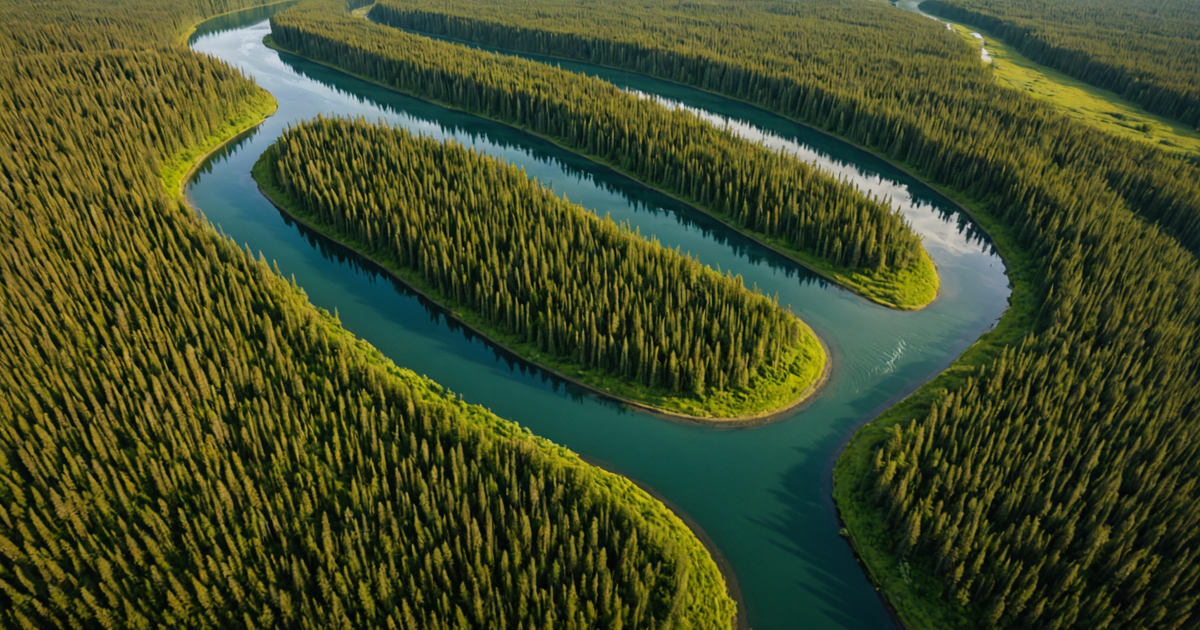
The Kenai River in Alaska is a world-renowned destination for salmon fishing, drawing anglers from across the globe. The river’s salmon run is one of the most anticipated events in the fishing calendar, offering an unparalleled opportunity to catch some of the largest salmon found anywhere. Planning a trip to witness and partake in the salmon run on the Kenai River is an adventure that promises both excitement and a profound connection with nature. In this guide, we’ll delve into everything you need to know to plan an unforgettable fishing trip during the salmon run. For more detail, see official guidance.
Understanding the Kenai River Salmon Run
The Kenai River is home to several species of salmon, including king (Chinook), sockeye (red), coho (silver), and pink salmon. The timing of the salmon run varies by species, typically beginning with the king salmon in May and June, followed by sockeye in July, and coho in August and September. This staggering of species ensures a prolonged season that offers anglers a variety of fishing experiences. For more detail, see further information.
In addition to its timing, the magnitude of the salmon run is another reason why the Kenai River is so famous. The river supports some of the largest king salmon on record, making it a prime destination for those seeking a trophy catch. The Alaska Department of Fish and Game provides detailed information on the timing and regulations of the salmon run, helping anglers plan their trips accordingly. For more detail, see detailed advice.
Planning Your Fishing Trip
When planning your salmon run Kenai River trip, consider the following key factors:. For more detail, see planning resources.
Choosing the Right Time to Visit. For more detail, see local insights.
Your visit should align with the specific salmon species you wish to target. For king salmon, plan your trip between May and June. If you’re interested in sockeye salmon, July offers the best opportunities. Coho salmon anglers should aim for August and September. For more detailed guidance on the best times, check out our comprehensive guide to Alaska salmon season.
Booking a Guided Tour
A guided fishing tour is highly recommended, especially for first-timers. Guides offer local expertise, equipment, and often guarantee a more successful fishing experience. Our all guided fishing tours provide a variety of options tailored to different skill levels and interests.
Accommodation and Travel
The Kenai Peninsula offers a range of accommodation options, from rustic cabins to luxurious lodges. Consider staying in Soldotna or Kenai for convenient access to the river. For travel, the nearest major airport is in Anchorage, a city rich in attractions and a great starting point for your Alaskan adventure. Learn more about what the Anchorage area has to offer.
Regulations and Licensing
Fishing in Alaska requires a valid fishing licence. It’s essential to familiarize yourself with local fishing regulations to ensure compliance. The Alaska Department of Fish and Game provides up-to-date information on licences and regulations, including catch limits and gear restrictions.
Tactics for Successful Fishing
Fishing on the Kenai River during the salmon run can be a rewarding challenge. Here are some strategies to enhance your success:
Selecting the Right Tackle
Using appropriate tackle is crucial for a successful catch. Consider the size and strength of the salmon species you are targeting. For king salmon, heavier tackle is advisable. Our guide on top salmon flashers can help you choose the right equipment.
Understanding Salmon Behaviour
Salmon behaviour can vary significantly depending on the species and time of year. Understanding these patterns can greatly improve your fishing success. For example, king salmon are known to travel deeper in the river, while sockeye are often found in faster currents. The National Oceanic and Atmospheric Administration provides resources on salmon behaviour and habitats.
Conservation and Sustainability
It’s important to practice sustainable fishing to preserve the Kenai River’s ecosystem. Catch and release practices are encouraged, especially for larger fish. Organisations like Leave No Trace offer guidelines on responsible fishing and outdoor ethics.
Conclusion
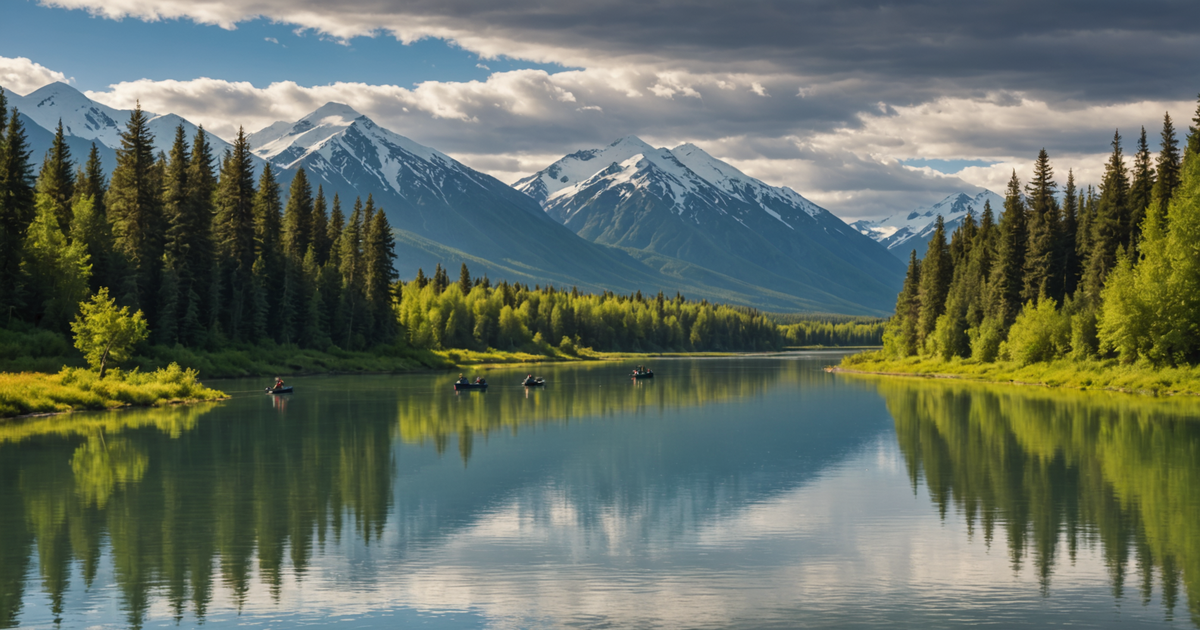
The salmon run on the Kenai River is a must-experience event for any fishing enthusiast. With its majestic scenery and abundant salmon, it offers a unique blend of adventure and tranquillity. By planning your trip carefully, respecting local regulations, and employing effective fishing tactics, you can enjoy a memorable and rewarding experience. Whether you’re a seasoned angler or a novice, the Kenai River promises an unforgettable journey into the heart of Alaskan wilderness.
FAQ
1. When is the best time to fish the Kenai River for salmon?
The best time varies by species: king salmon in May-June, sockeye in July, and coho in August-September.
2. Do I need a fishing licence for the Kenai River?
Yes, a valid fishing licence is required. Visit the Alaska Department of Fish and Game for more information.
3. Can I book a guided fishing tour in Alaska?
Absolutely. Guided tours are available and recommended for optimal fishing experiences. Check our guided fishing tours for more details.
4. What should I bring on a salmon fishing trip?
Bring appropriate fishing gear, a valid licence, suitable clothing for Alaska’s weather, and personal items. Guides often provide specific gear.
5. Are there regulations on the number of salmon I can catch?
Yes, regulations on catch limits vary by species and season. Refer to the Alaska Department of Fish and Game for current rules.
6. What are the accommodation options near the Kenai River?
Lodging options range from rustic cabins to luxury lodges. Soldotna and Kenai are popular towns for accommodations.
7. Is the salmon run suitable for beginner anglers?
Yes, with the help of a guide, beginners can enjoy and succeed in fishing during the salmon run. Our Kasilof River Fishing Guide offers tips for first-timers.
8. How can I practice sustainable fishing?
Engage in catch and release, use eco-friendly gear, and follow guidelines from Leave No Trace to minimise your environmental impact.