
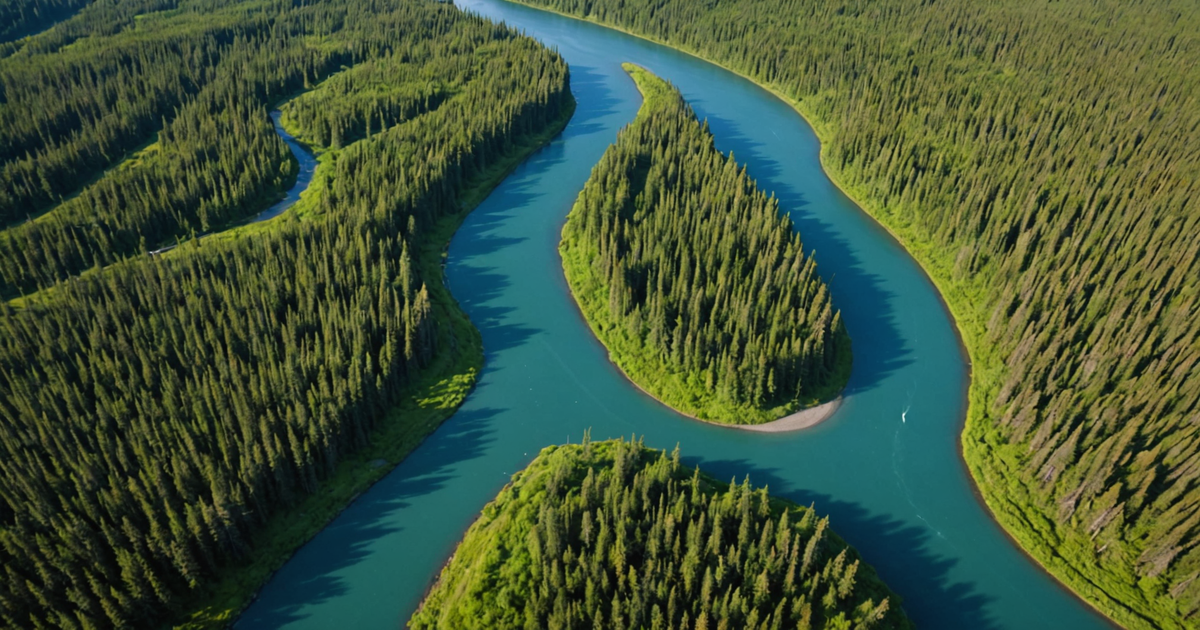
Introduction
The Kenai River, renowned for its abundant salmon runs, is a veritable paradise for anglers worldwide. Located in the heart of Alaska, this river offers an opportunity to experience the thrill of fishing while surrounded by breathtaking natural beauty. Whether you’re a seasoned angler or a novice eager to learn, planning your trip around the Kenai River salmon runs is essential for a successful fishing adventure. For more detail, see official guidance.
Understanding the Kenai River Salmon Runs
The Kenai River hosts four primary salmon species: King (Chinook), Sockeye (Red), Coho (Silver), and Pink Salmon. Each species has distinct run times and characteristics, making the Kenai River a dynamic fishing destination. For more detail, see further information.
King Salmon. For more detail, see detailed advice.
King Salmon, also known as Chinook, are the largest and most coveted species in the Kenai River. The first run typically begins in mid-May and continues through June, while the second run occurs from early July to early August. For anglers seeking a challenge, targeting King Salmon during these peak times promises a rewarding experience. For more detail, see planning resources.
Sockeye Salmon. For more detail, see local insights.
Sockeye Salmon, or Red Salmon, are known for their vibrant colour and fierce fighting spirit. The Sockeye run begins in early June and peaks in early July. To maximise your catch, ensure your trip aligns with these dates, as Sockeye are particularly abundant during this period.
Coho Salmon
Coho Salmon, also called Silver Salmon, start running in late July and continue through October. Their acrobatic jumps and spirited fights provide thrilling encounters for anglers. Coho are particularly popular among fly fishers due to their aggressive nature.
Pink Salmon
Pink Salmon run on a biennial cycle, with even-numbered years witnessing significant runs. These fish are smaller and less challenging to catch, making them perfect for families and novice anglers. The Pink Salmon run begins in mid-July and lasts until the end of August.
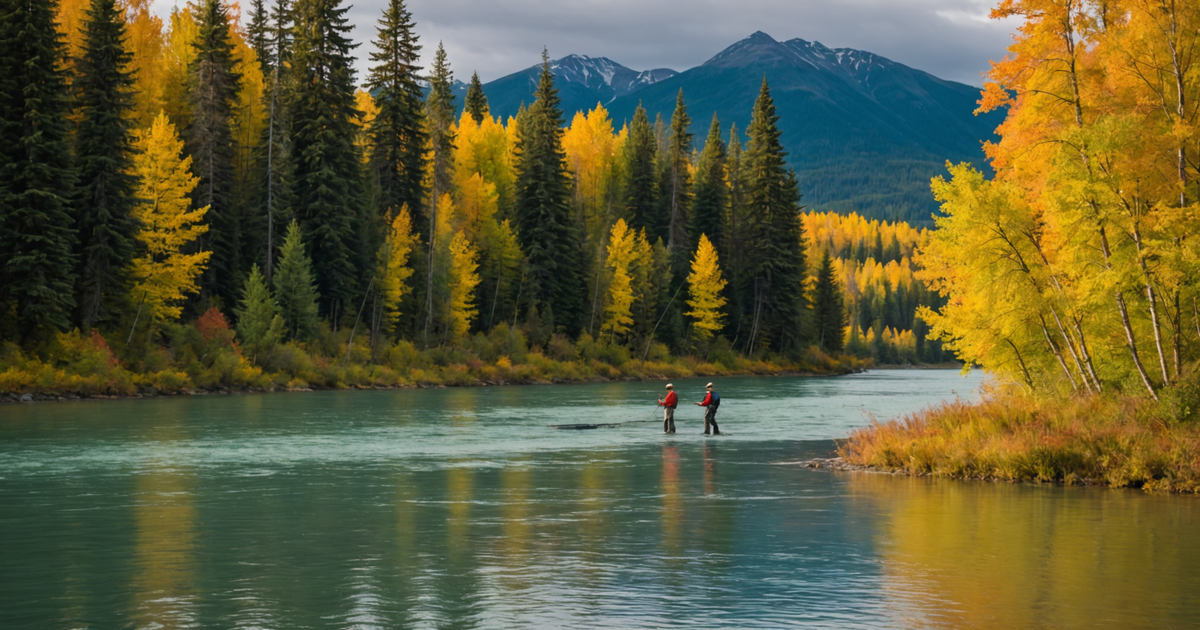
Planning Your Trip
Successful fishing on the Kenai River hinges on meticulous planning. Here are key aspects to consider:
Timing Your Visit
Timing is crucial. Align your trip with the peak run times of your target salmon species. Researching local fishing guides can provide valuable insights into the best periods for each salmon run.
Obtaining Necessary Permits
Before casting your line, ensure you have the necessary permits. The Alaska Department of Fish and Game provides up-to-date information on licensing and regulations. Adhering to these guidelines helps preserve the river’s delicate ecosystem.
Choosing the Right Gear
Selecting appropriate fishing gear is essential for success. Consider the best salmon hooks for solid hook-ups and ensure your tackle is suitable for the species you aim to catch. Consulting local experts or fishing gear shops can also enhance your preparation.
Accommodation and Travel
The Kenai Peninsula offers a range of accommodation options, from rustic lodges to modern hotels. Booking early during peak seasons is advisable. For a truly immersive experience, consider staying at a historic lodge to enjoy the rustic charm of Alaska’s wilderness.
The Kenai Peninsula: A Broader Exploration
While the Kenai River is a focal point for anglers, the surrounding Kenai Peninsula offers a plethora of activities for those seeking a holistic Alaskan adventure. From hiking and wildlife watching to exploring local Alaskan cuisine, the region is rich in cultural and natural attractions.
Sustainable Fishing Practices
Practising sustainable fishing is vital for preserving the Kenai River’s ecosystem. Familiarise yourself with the sustainable practices and regulations outlined by the NOAA to ensure your activities contribute positively to the environment.
Conclusion
The Kenai River salmon runs offer unparalleled opportunities for anglers to experience the thrill of fishing in Alaska’s pristine wilderness. By planning ahead and aligning your trip with the peak salmon runs, you can maximise your chances of a successful and memorable fishing adventure. Embrace the beauty of the Kenai Peninsula and the bounty of its waters, ensuring a trip that merges excitement with the serenity of nature.
FAQ
What is the best time to visit the Kenai River for salmon fishing?
The best time to visit depends on the salmon species you’re targeting. King Salmon peak in May and July, Sockeye in June and July, Coho from late July to October, and Pink Salmon in even-numbered years during July and August.
Do I need a fishing licence for the Kenai River?
Yes, a fishing licence is required. Visit the Alaska Department of Fish and Game for detailed licensing information.
What are the best fishing techniques for the Kenai River?
Techniques vary by species. For instance, fly fishing is effective for Coho Salmon, while trolling or drift fishing suits King Salmon. Consulting local fishing guides can enhance your technique.
Are there accommodation options near the Kenai River?
Yes, the Kenai Peninsula offers diverse accommodations, from lodges to hotels. Consider booking a stay at a historic lodge for a unique experience.
How can I practice sustainable fishing on the Kenai River?
Adhere to regulations set by the NOAA and practice catch-and-release when appropriate to ensure sustainable fishing.
What other activities can I enjoy on the Kenai Peninsula?
Beyond fishing, explore local Alaskan cuisine, hiking trails, and wildlife watching for a well-rounded adventure.
How do I get to the Kenai River from Anchorage?
The Kenai River is accessible via a scenic drive from Anchorage, approximately 150 miles away. Car rentals and guided tours are available for convenient travel options.
Is guided fishing available on the Kenai River?
Yes, numerous fishing charters offer guided tours with experienced anglers to enhance your fishing experience on the Kenai River.