
Introduction
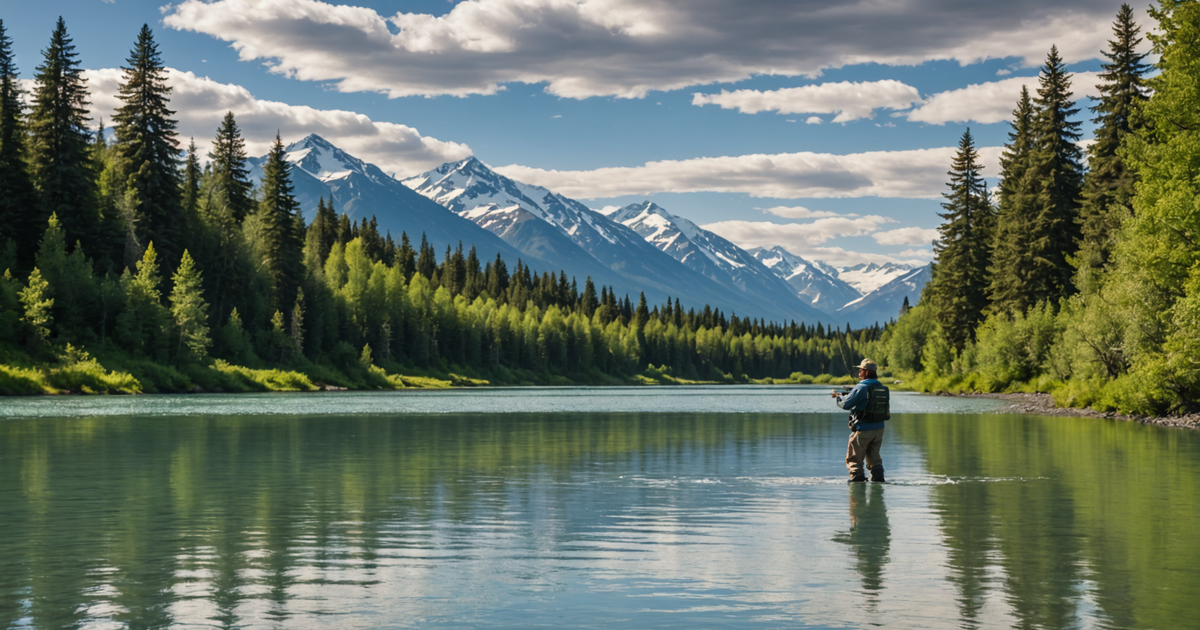
The Kenai River in Alaska is renowned as one of the most prolific salmon fishing destinations globally. Every year, thousands of anglers flock to this pristine river, eager to experience the thrill of catching one of Alaska’s iconic fish species. However, to plan a successful fishing trip, understanding the salmon count on the Kenai River is crucial. The salmon count provides insights into the best times to visit, ensuring anglers maximise their chances of a bountiful catch. This comprehensive guide explores the intricacies of the Kenai River salmon count, offering valuable insights to help you plan your Alaska fishing adventure. For more detail, see official guidance.
Understanding the Kenai Salmon Count
What is the Salmon Count? For more detail, see further information.
The salmon count on the Kenai River is a measure of the number of salmon passing a specific point in the river. Conducted by the Alaska Department of Fish and Game (ADF&G), this count is pivotal for managing salmon populations and maintaining sustainable fishing practices. The ADF&G utilises various methods, including sonar technology, to provide accurate daily counts during the salmon run season. For more detail, see detailed advice.
Importance of the Salmon Count. For more detail, see planning resources.
The salmon count is not just a statistic; it is a vital tool for both conservation and recreational fishing. By monitoring the population, fishery managers can determine the health of the salmon stock and make informed decisions about fishing regulations. For anglers, understanding these counts helps in planning trips to coincide with peak salmon runs, ensuring a more successful and enjoyable fishing experience. For more detail, see local insights.
When to Fish: Timing Your Trip
Timing is everything when it comes to salmon fishing on the Kenai River. Different species of salmon run at various times throughout the year. The most sought-after species, including King, Sockeye, and Coho salmon, have specific peak seasons:
- King Salmon: Typically, the run begins in mid-May and extends through July, with the peak occurring in June.
- Sockeye Salmon: The Sockeye run is most active from mid-June to late July, peaking around early July.
- Coho Salmon: These salmon typically appear from late July to September, with August being the prime month.
Staying updated with the Kenai salmon count can help you adjust your travel plans to align with these peak periods.
Planning Your Alaska Fishing Adventure
Preparing for Your Trip
Before embarking on your Alaska fishing adventure, it’s essential to plan meticulously. This includes securing the necessary fishing licenses and permits, available through the Alaska Department of Fish and Game. Additionally, consider the best time to catch halibut in Alaska if you plan to diversify your fishing activities.
Choosing the Right Gear
Having the right equipment is vital for a successful fishing trip. Depending on the salmon species you’re targeting, you may need different rods, reels, and tackle. For instance, King Salmon, known for their size and strength, require heavier gear compared to the more agile Coho. For comprehensive gear advice, explore tactics for wild trout and grayling which can often overlap with salmon fishing needs.
Hiring a Guide
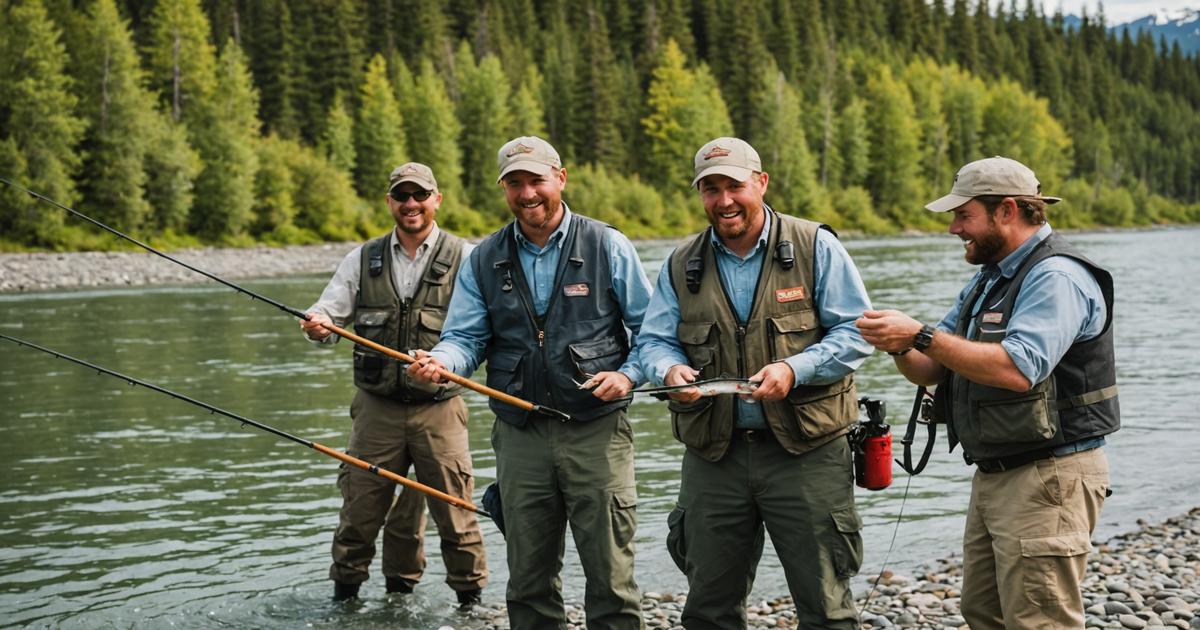
For those unfamiliar with the Kenai River or new to salmon fishing, hiring a professional guide is highly recommended. Guides possess in-depth knowledge of the river’s intricacies, including the best fishing spots and techniques. You can find a variety of fishing guides who specialise in salmon fishing and can tailor your experience to your preferences.
Sustainable Fishing Practices
Sustainability is a critical aspect of fishing in Alaska. The state is committed to preserving its rich natural resources, ensuring that future generations can also enjoy the thrill of fishing. Adopting sustainable practices such as catch and release or adhering to bag limits is essential. These practices not only protect the fish populations but also enhance the overall fishing experience.
Exploring Beyond Fishing
While the primary focus may be fishing, Alaska offers a plethora of other activities. Consider exploring the breathtaking glacier tours or embarking on hiking tours to fully appreciate the state’s natural beauty. The Southern Glaciers are particularly stunning and provide a perfect backdrop to your adventure.
Conclusion
Fishing on the Kenai River is an experience like no other, offering the chance to connect with nature and partake in one of the world’s most renowned angling activities. By understanding the salmon count and planning accordingly, you can optimise your chances of a successful and rewarding trip. Remember, the key to a great fishing adventure in Alaska lies in preparation, timing, and respecting the natural environment.
FAQ
1. What is the best time to fish for salmon on the Kenai River?
The best time to fish varies by species. King Salmon peak in June, Sockeye in early July, and Coho in August. Monitoring the salmon count helps pinpoint the ideal fishing times.
2. Do I need a fishing license to fish on the Kenai River?
Yes, a fishing license is required. You can obtain one through the Alaska Department of Fish and Game.
3. Can I hire a fishing guide on the Kenai River?
Absolutely! Hiring a fishing guide is advisable, especially for first-time anglers or those unfamiliar with the river.
4. What gear do I need for salmon fishing?
The gear needed depends on the salmon species. Generally, you’ll need a sturdy rod and reel, appropriate tackle, and possibly waders. For detailed gear recommendations, refer to expert advice.
5. Are there other activities to enjoy in Alaska besides fishing?
Yes, Alaska offers a wide range of activities, including glacier tours and hiking, allowing you to explore its spectacular landscapes.
6. How does the salmon count affect fishing regulations?
The salmon count helps determine fishing regulations, including season dates and bag limits, ensuring sustainable fishing practices are upheld.
7. Where can I find real-time salmon count data?
Real-time data is available on the ADF&G website, providing daily updates during the salmon run season.
8. What are some sustainable fishing practices I should follow?
Practices such as catch and release, adhering to bag limits, and respecting closed seasons are crucial for sustainability. Learn more about sustainable practices to protect Alaska’s fisheries.