
Introduction
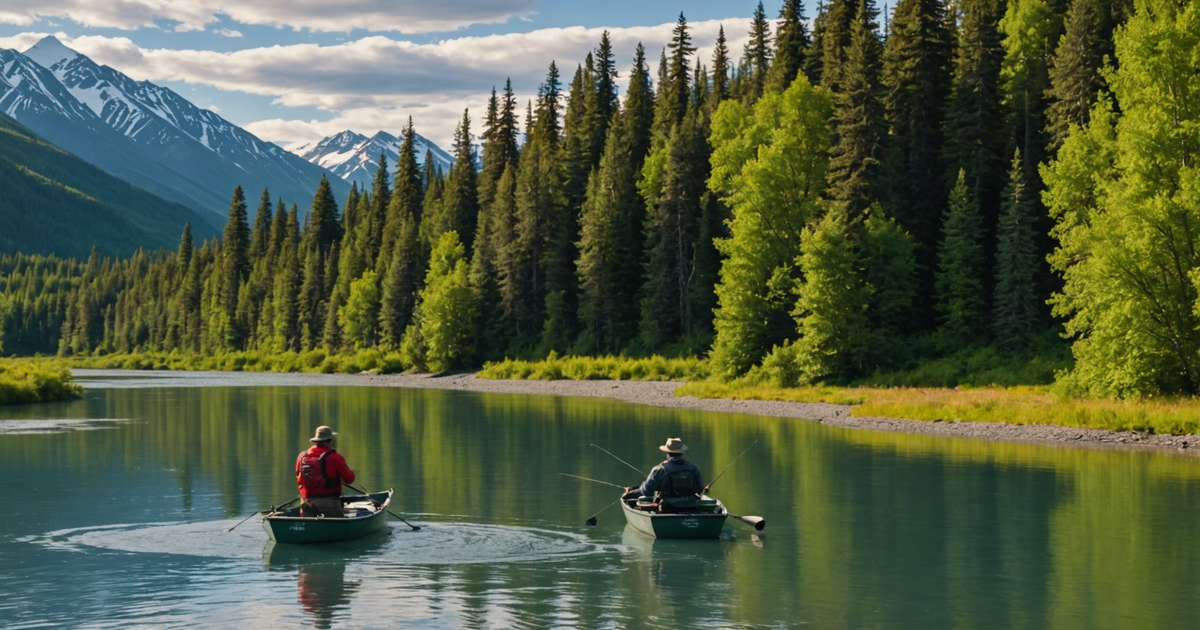
The Kenai River, a gem nestled in the heart of Alaska, is a beacon for anglers worldwide, particularly those in pursuit of the mighty king salmon. Known for its stunning vistas and bountiful waters, the Kenai River offers a unique combination of beauty and challenge. This river is not just a destination; it is an experience, a rite of passage for those who seek the thrill of king salmon fishing in Alaska’s Kenai River. For more detail, see official guidance.
With expert guidance and the right techniques, fishing in this river can be an exhilarating adventure. Whether you’re a seasoned angler or a novice eager to cast your first line, the Kenai River promises an unforgettable fishing journey. In this guide, we’ll explore essential aspects of king salmon fishing on the Kenai, from understanding the seasons to mastering the techniques required for a successful catch. For more detail, see further information.
The Majesty of the Kenai River
The Kenai River flows for 82 miles from Kenai Lake to the Cook Inlet, winding through some of Alaska’s most breathtaking landscapes. Its vibrant ecosystem supports a wide array of wildlife, making it a critical habitat not only for fish but also for eagles, moose, and bears. The river is divided into three main sections: the Upper, Middle, and Lower River, each offering distinct fishing opportunities. For more detail, see detailed advice.
The Upper Kenai River is renowned for its picturesque settings and is less accessible, offering a more secluded fishing experience. The Middle River, with its easily accessible banks, is a favourite among anglers. The Lower Kenai is where the river broadens and slows, making it ideal for drift boats and home to some of the largest king salmon. For more detail, see planning resources.
The King Salmon: A Worthy Adversary
King salmon, or Chinook salmon, are the largest of the Pacific salmon species, with some individuals in the Kenai River weighing over 90 pounds. Their sheer size and strength make them a formidable challenge, earning them the title of “king.”. For more detail, see local insights.
Fishing for king salmon requires patience, skill, and the right equipment. These fish are known for their explosive runs and powerful fights, often taking anglers on long, exhausting battles. The best time for king salmon fishing in the Kenai River is from mid-May to late July, with the peak season occurring in June.
Guided Fishing: Why Expertise Matters
Engaging a professional guide can significantly enhance your fishing experience on the Kenai River. Local guides possess invaluable knowledge about the river’s ever-changing conditions, the best fishing spots, and effective techniques. They provide the necessary equipment and ensure compliance with all fishing regulations, allowing you to focus entirely on the thrill of the catch.
Guides can also offer insights into sustainable fishing practices, ensuring the river’s health for future generations. For those interested in learning more about sustainable practices, a guided trip is an excellent opportunity to gain firsthand knowledge.
Gear and Techniques for Success
Fishing for king salmon on the Kenai River requires specific gear tailored to the size and strength of these fish. Heavy-duty rods and reels, strong lines, and large lures or bait are essential. Popular techniques include back-bouncing, trolling, and drift fishing, each requiring a nuanced approach and understanding of the river’s current and fish behaviour.
Back-bouncing involves using a heavy sinker to keep the bait near the riverbed, a method particularly effective in deeper waters. Trolling allows you to cover more area by steadily moving your bait through the water. Drift fishing, on the other hand, involves letting your bait drift naturally with the current, a technique that mimics the natural movement of prey.
Understanding Regulations
To fish the Kenai River legally, anglers must adhere to specific regulations set out by the Alaska Department of Fish and Game. These include obtaining a valid fishing licence, understanding catch limits, and adhering to seasonal restrictions. For instance, certain sections of the river may be closed to fishing during specific times to protect spawning salmon.
It’s crucial to stay informed about current regulations, as they can change based on fish population assessments. This ensures not only a legal fishing experience but also contributes to the river’s conservation efforts.
Beyond the Catch: Exploring Alaska
Fishing on the Kenai River is just one part of the Alaskan adventure. The region offers a plethora of outdoor activities, from hiking and exploring glaciers to wildlife viewing and cultural tours. Those interested in a comprehensive Alaskan experience can explore various outdoor sports available in the region.
Alaska’s vast wilderness provides a playground for adventure seekers, with opportunities to learn about the state’s rich history and indigenous cultures. The Kenai Peninsula, in particular, is a hub for nature enthusiasts, offering something for everyone.
Conclusion
The Kenai River is more than just a location; it’s a testament to the beauty and bounty of Alaska. King salmon fishing on this river is a pursuit that challenges the body and mind, rewarding anglers with stories of epic battles and unforgettable scenery. With the right preparation, guidance, and respect for the environment, your fishing trip on the Kenai River can be a truly transformative experience.
Whether you’re drawn by the promise of catching a record-breaking king salmon or simply seeking solace in nature, the Kenai River offers a rich tapestry of experiences. Embrace the journey, cherish the memories, and leave with a deeper appreciation for Alaska’s wild and untamed spirit.
FAQ
1. What is the best time for king salmon fishing on the Kenai River?
The prime time for king salmon fishing on the Kenai River is from mid-May to late July, with June being the peak season.
2. Do I need a guide for fishing on the Kenai River?
While it’s not mandatory, hiring a guide can greatly enhance your experience by providing local expertise, necessary equipment, and ensuring adherence to regulations.
3. What equipment is needed for king salmon fishing?
Heavy-duty rods and reels, strong lines, and large lures or bait are essential for king salmon fishing due to their size and strength.
4. Are there any fishing regulations I should be aware of?
Yes, anglers must follow regulations set by the Alaska Department of Fish and Game, including obtaining a licence and adhering to catch limits and seasonal restrictions.
5. Can I fish for other species on the Kenai River?
Yes, the Kenai River is home to various fish species, including sockeye, coho salmon, and rainbow trout, offering diverse fishing opportunities.
6. What other activities are available near the Kenai River?
Beyond fishing, the area offers hiking, glacier tours, wildlife viewing, and cultural experiences, making it a perfect destination for outdoor enthusiasts.
7. How can I ensure a sustainable fishing experience?
Practising catch and release, respecting catch limits, and following guidelines from sustainable fishing sources can help maintain the river’s health and ecosystem.