
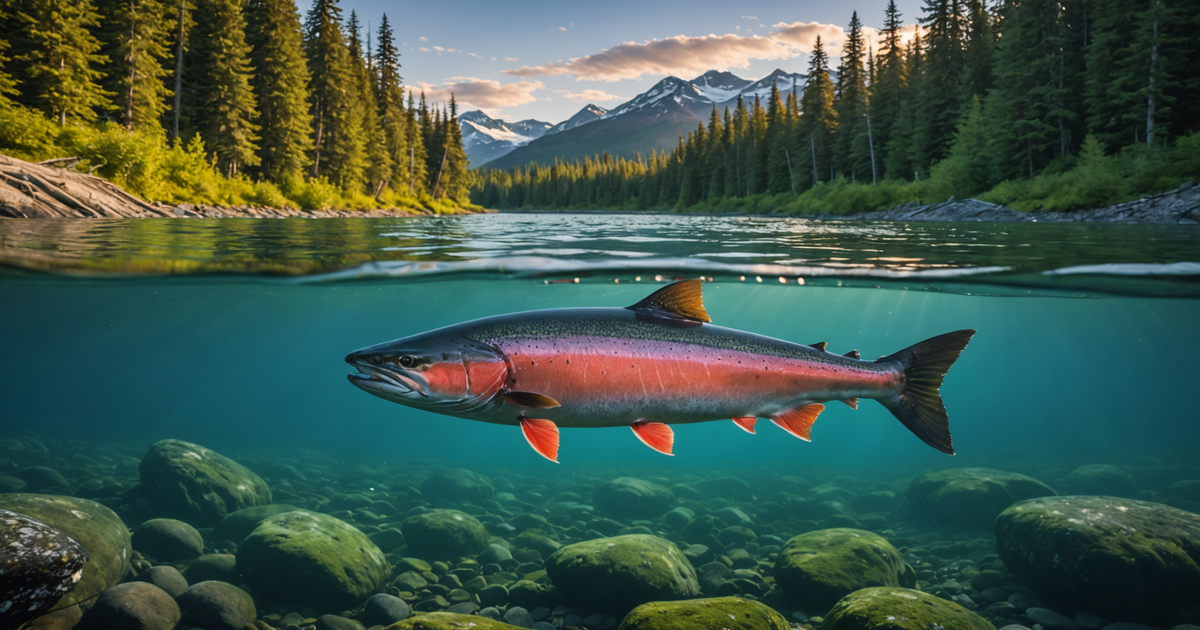
King Salmon Weight | Catch Alaska Giants. For more detail, see official guidance.
Introduction
The allure of king salmon fishing in Alaska is undeniable. Known for their size, strength, and the thrill of the catch, king salmon, also referred to as chinook salmon, are a prized target for anglers worldwide. Understanding the weight range of these magnificent creatures is crucial for planning your next Alaskan fishing adventure. This article delves into the details of king salmon weights and offers insights on organising a successful fishing trip to the Last Frontier. For more detail, see further information.
Understanding King Salmon Weight
The weight of a king salmon can vary significantly, influenced by factors such as genetics, habitat, and food availability. On average, king salmon can weigh anywhere between 10 to 50 pounds, with some extraordinary specimens reaching upwards of 100 pounds. For more detail, see detailed advice.
Factors Affecting Weight. For more detail, see planning resources.
-
Genetic Factors: Certain genetic strains of king salmon are predisposed to grow larger. The Kenai River in Alaska, for example, is renowned for producing some of the largest king salmon due to its unique genetic stock. For more detail, see local insights.
-
Food Availability: The abundance of prey like herring, anchovies, and krill can directly impact the growth and ultimate weight of king salmon. More food means more energy for growth.
-
Habitat Conditions: Optimal water temperature, salinity, and habitat structure are essential for the growth of king salmon. These conditions vary across different Alaskan rivers, affecting the weight range of the fish.

Record-Breaking Weights
The current world record for the largest king salmon ever caught belongs to a 97-pound specimen captured on the Kenai River. Such colossal sizes are more the exception than the norm, but they highlight the potential for encountering giants in Alaskan waters.
Planning Your Alaskan Fishing Trip
Planning a fishing trip to Alaska requires careful consideration of timing, location, and legal regulations. The Alaska Department of Fish and Game is an invaluable resource for understanding the fishing seasons and regulations.
Best Time for King Salmon Fishing
The optimal season for king salmon fishing in Alaska generally spans from May through July. This period corresponds with the annual salmon runs where fish return to freshwater to spawn. For more precise timing and a deeper understanding, visit our insights on when is Alaska salmon season really.
Choosing the Right Location
Alaska boasts numerous prime fishing locations. The Kenai River, Nushagak River, and Copper River are renowned for their king salmon populations. Each location offers unique challenges and experiences for anglers. For a comprehensive guide, explore Alaska fishing charters to find the best spots for your adventure.
Legal Considerations
Before embarking on your fishing journey, ensure you are familiar with the specific regulations for your chosen location. This includes acquiring the necessary permits and understanding catch limits. The Sport Fishing in Alaska guide provides detailed information on the rules you need to follow.
Essential Gear and Techniques
Fishing for king salmon requires specialised gear and techniques. Using the right equipment can make the difference between a successful catch and a missed opportunity.
Recommended Gear
- Rods and Reels: Opt for heavy-duty rods and reels capable of handling large, powerful fish.
- Fishing Lines: Strong, abrasion-resistant lines are essential for withstanding the fight of a king salmon.
- Lures and Baits: Use lures such as spinners, plugs, or spoons. Our article on best plug fishing lures provides excellent options for your tackle box.
Techniques for Success
Mastering techniques such as trolling and drift fishing can significantly increase your success rate. For more in-depth strategies, explore our fishing techniques category.
Conclusion
Catching a king salmon in Alaska is an unforgettable experience, combining the thrill of the chase with the stunning backdrop of the Alaskan wilderness. By understanding the weight dynamics of king salmon and planning your trip meticulously, you can enhance your chances of landing one of these majestic creatures. Whether you’re a seasoned angler or a novice, Alaska’s waterways offer the adventure of a lifetime.
FAQ
How much does a king salmon weigh on average?
King salmon typically weigh between 10 and 50 pounds, although some can exceed 100 pounds.
What is the best time to fish for king salmon in Alaska?
The prime season for king salmon fishing in Alaska is from May through July, coinciding with the salmon runs.
Where are the best places to catch king salmon in Alaska?
Top locations include the Kenai River, Nushagak River, and Copper River, each offering unique fishing experiences.
What gear do I need for king salmon fishing?
Heavy-duty rods, strong fishing lines, and appropriate lures such as spinners and plugs are recommended.
Are there legal requirements for fishing king salmon in Alaska?
Yes, anglers must adhere to specific regulations, including obtaining permits and respecting catch limits, as outlined by the Alaska Department of Fish and Game.
Can I eat the king salmon I catch?
Yes, king salmon are highly prized for their rich flavour and are a staple in Alaskan cuisine.
How can I improve my chances of catching a king salmon?
Employing effective fishing techniques like trolling and drift fishing can enhance your success rate.
What is the largest king salmon ever caught?
The record for the largest king salmon is a 97-pound fish caught on the Kenai River.