
Introduction
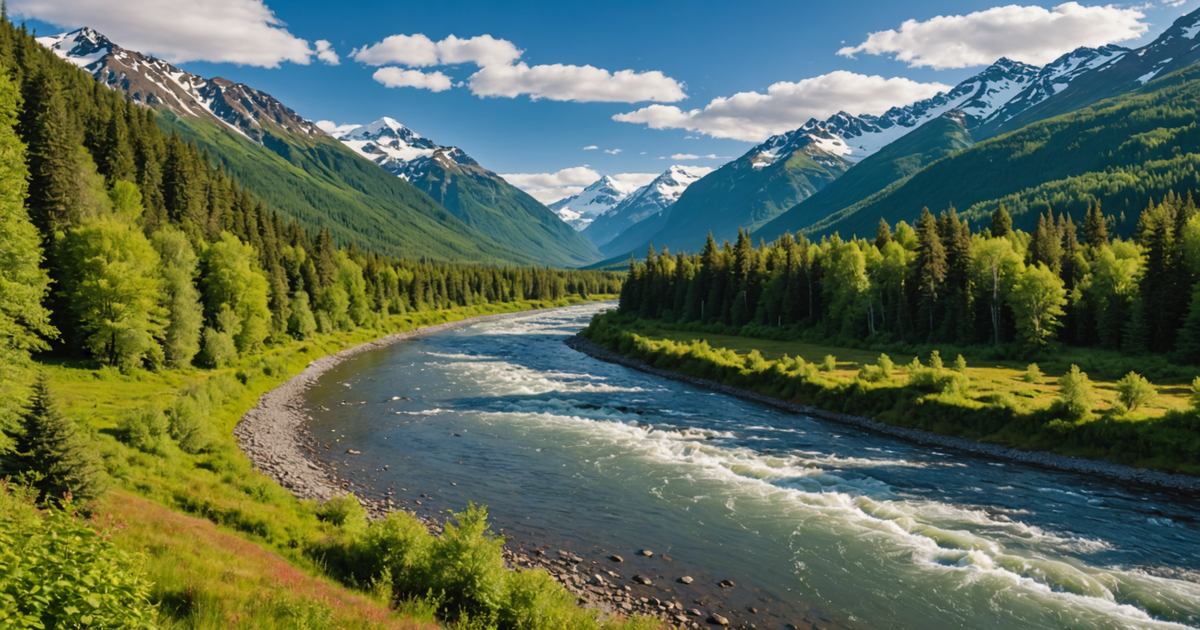
Alaska, with its vast wilderness and pristine waters, is a dream destination for anglers around the globe. Renowned for its abundant salmon runs, the state offers unparalleled opportunities for both residents and non-residents. This guide will explore everything you need to know about non-resident salmon fishing in Alaska, including licensing requirements, seasonal considerations, and the best ways to experience this angling paradise. For more detail, see official guidance.
Understanding Licensing and Regulations
Before embarking on your Alaskan fishing adventure, it’s crucial to understand the licensing requirements for non-residents. According to the Alaska Department of Fish and Game, non-residents must obtain a sport fishing licence. These can be purchased online or at various vendors across the state. The licences are available in different durations, ranging from one day to an entire season, allowing flexibility based on your travel plans. For more detail, see further information.
Additionally, specific regulations, such as daily catch limits and fishing methods, are in place to ensure sustainable practices. It’s important to familiarise yourself with these regulations by visiting the official site to avoid any legal issues during your trip. For more detail, see detailed advice.
When to Fish: Seasons and Best Times
The timing of your visit can greatly impact your fishing experience. Salmon fishing in Alaska is highly seasonal, with different species peaking at various times throughout the year. Generally, the prime time for salmon fishing is between May and September. During this period, species like King, Sockeye, Coho, Pink, and Chum salmon are available in abundance. For more detail, see planning resources.
For those planning a trip specifically for King Salmon, the peak season is from late May to early July. Conversely, Coho Salmon, known for their spirited fight, are best caught from July through September. Timing your trip with the salmon runs can significantly enhance your fishing success. For more detail, see local insights.
Choosing the Right Location
Alaska is dotted with numerous fishing hotspots, each offering unique experiences. The Kenai Peninsula, for instance, is a popular choice due to its accessibility and prolific salmon runs. For more remote adventures, consider exploring locations like Bristol Bay or the Kodiak Island Archipelago.
For those looking to combine fishing with scenic exploration, the Kenai Peninsula offers not just salmon-rich waters but also breathtaking landscapes. Discover more about this locale on the Kenai Peninsula page.
Booking Guided Trips
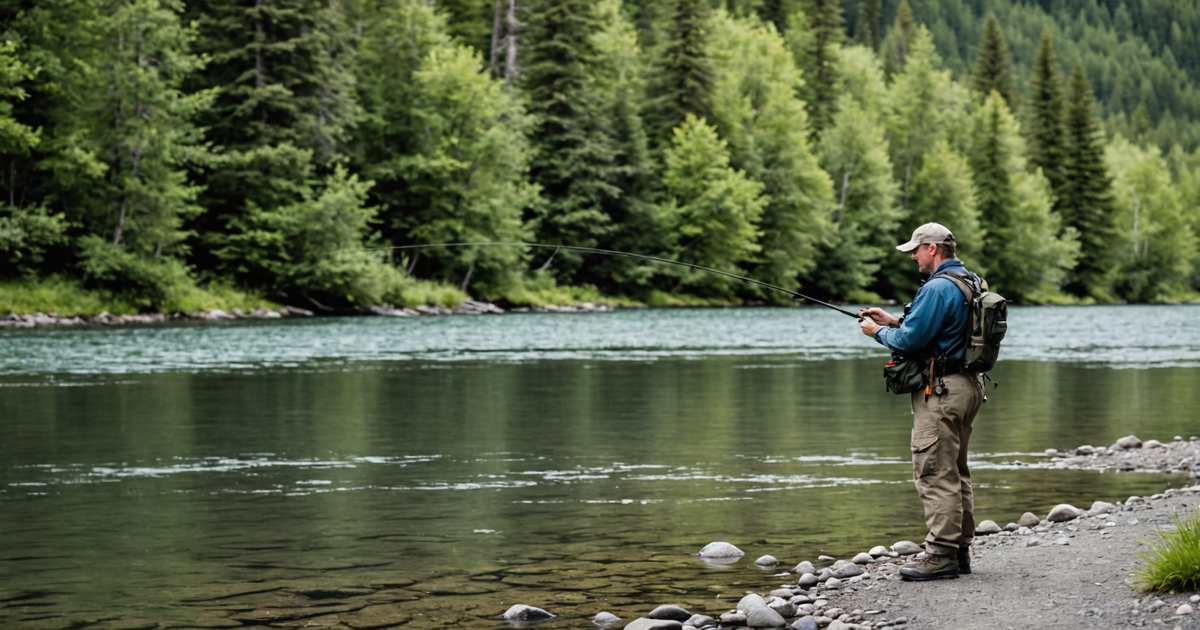
While seasoned anglers might prefer a self-guided adventure, booking a guided fishing trip can be beneficial, especially for first-timers. Guided trips provide valuable local insights and access to the best fishing spots, enhancing your overall experience. Many local companies offer all-inclusive packages, complete with gear, transportation, and expert guidance.
To explore various guided fishing tour options, check out the all guided fishing tours available through Alaska Adventure Guides.
Essential Gear and Techniques
Bringing the right gear is crucial for a successful fishing experience in Alaska. While some might prefer to bring their own equipment, many opt to rent or purchase locally to ensure they have the most suitable tackle for Alaskan waters. Researching fishing techniques specific to salmon can also provide an edge.
Popular techniques include fly fishing and using lures like plugs, which can be highly effective in attracting salmon. For more on effective lures, consider reviewing best plug fishing lures.
Additional Outdoor Activities
Beyond fishing, Alaska offers a plethora of outdoor activities that can complement your trip. From hiking along majestic trails to exploring the state’s numerous glaciers, there’s no shortage of adventures to embark upon. For those interested in expanding their itinerary, consider browsing through all hiking tours and all glacier tours available.
Conclusion
Non-resident salmon fishing in Alaska presents a unique opportunity to engage with nature’s bounty in a pristine environment. By understanding the licensing requirements, choosing the right season, and equipping yourself with the appropriate gear and guides, you can ensure a rewarding fishing adventure. Whether you’re a seasoned angler or a beginner eager to learn, Alaska’s waters promise an unforgettable experience.
FAQ
What is the cost of a non-resident fishing licence in Alaska?
The cost varies depending on the duration of the licence. Options range from a one-day licence to an annual permit. Prices are detailed on the Alaska Department of Fish and Game website.
What types of salmon can non-residents fish for in Alaska?
Non-residents can fish for various salmon species, including King, Sockeye, Coho, Pink, and Chum salmon, with specific seasons for each.
Do I need a guide for salmon fishing in Alaska?
While not mandatory, hiring a guide can enhance your experience by providing local knowledge and access to prime fishing spots. Consider exploring guided fishing tours for more information.
Can I combine fishing with other outdoor activities in Alaska?
Absolutely. Alaska is rich in outdoor activities, from hiking to glacier tours. For more ideas, you can visit the outdoor activities section.
What is the best time to fish for King Salmon in Alaska?
The best time for King Salmon is from late May to early July, aligning with their peak run.
Are there any regulations I should be aware of when fishing in Alaska?
Yes, regulations include daily catch limits and gear restrictions. Detailed information is available on the fishing regulations page.
What should I bring for a salmon fishing trip in Alaska?
Consider bringing appropriate clothing for the weather, fishing gear (or rent locally), and a valid fishing licence. For specific gear recommendations, explore outdoor equipment.