
Introduction
The King Salmon, also known by several other names, holds a regal place in the hearts of anglers and nature enthusiasts alike. Renowned for its impressive size and delectable taste, the King Salmon is a prized catch for many who visit the wild, pristine waters of Alaska. Whether you’re a seasoned angler planning your next adventure or simply curious about this magnificent fish, understanding the various names and nuances of the King Salmon can enrich your experience. In this article, we’ll explore the different names for King Salmon, delve into their habitat and characteristics, and offer guidance on how to plan a memorable fishing trip in Alaska. For more detail, see official guidance.
Other Names for King Salmon
The King Salmon, scientifically known as Oncorhynchus tshawytscha, is often referred to by several other names, each reflecting a unique aspect of its character or geographical prevalence. Here are some of the most common alternative names for King Salmon:. For more detail, see further information.
Chinook Salmon. For more detail, see detailed advice.
The term “Chinook” is perhaps the most widely used alternative name for King Salmon. This name is derived from the Chinookan peoples, native to the Pacific Northwest, who have long valued this fish for its nutritional and cultural significance. For more detail, see planning resources.
Spring Salmon. For more detail, see local insights.
In certain regions, particularly where these fish run early in the year, King Salmon are called “Spring Salmon.” This name highlights the timing of their migration, which often occurs in the spring months.
Tyee Salmon
In British Columbia, anglers may use the term “Tyee” to describe a particularly large King Salmon, typically weighing over 30 pounds. This name underscores the impressive size these fish can attain.
Blackmouth Salmon
In some areas, particularly around Puget Sound, juvenile King Salmon are known as “Blackmouth.” This name refers to the distinctive black gum line that sets them apart from other salmon species.
Quinnat Salmon
The name “Quinnat” is less commonly used today but can still be found in some historical references or older texts. It is another term that pays homage to the fish’s indigenous heritage.
Habitat and Characteristics
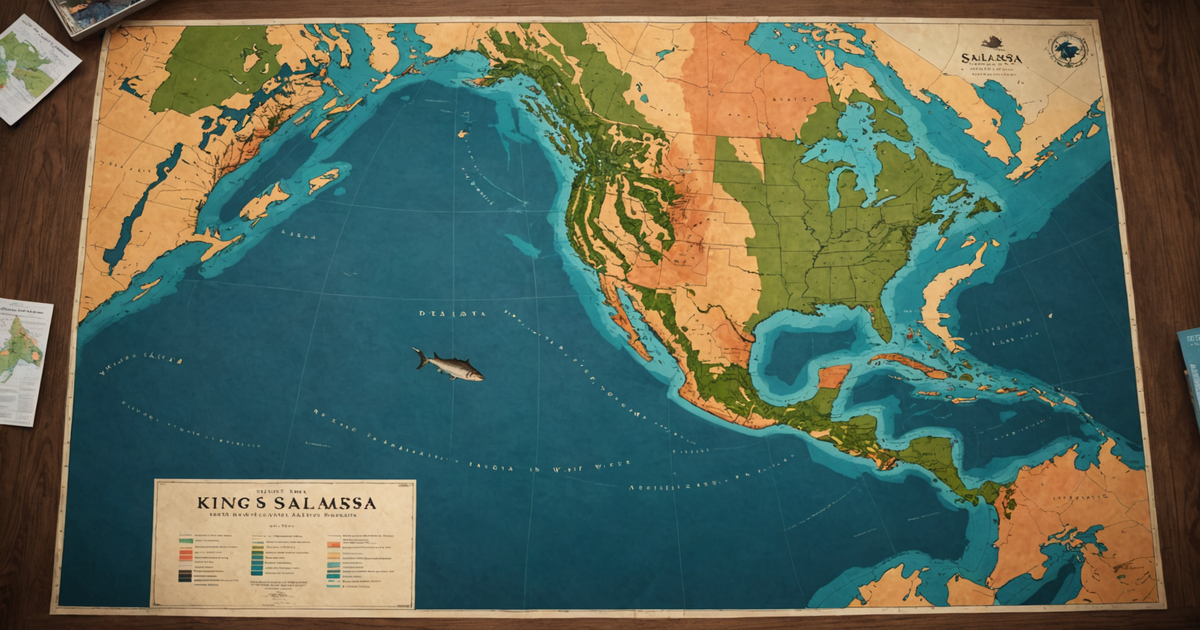
King Salmon are predominantly found in the North Pacific Ocean, ranging from California to Alaska and across to the Russian Far East. They are anadromous fish, meaning they are born in freshwater rivers, migrate to the ocean to grow and mature, and return to their natal rivers to spawn.
Physical Characteristics
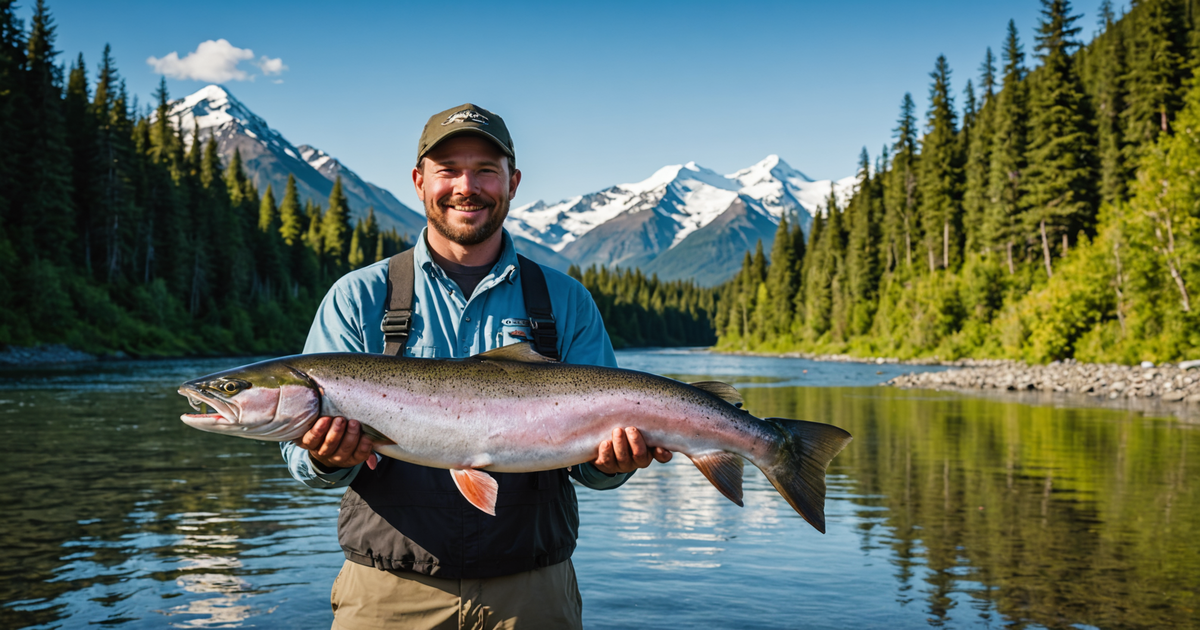
King Salmon are the largest species of Pacific salmon, with adults typically weighing between 10 to 50 pounds, although some can exceed 100 pounds. They possess a robust body, a distinctive dark blue-green back, and silvery sides, making them both a visual delight and a challenging catch for anglers.
Diet and Behavior
In the ocean, King Salmon primarily feed on smaller fish, squid, and crustaceans, which contribute to their large size and rich flavour. During their freshwater phase, they cease feeding and rely on stored energy reserves to sustain them through the spawning process.
Planning a Fishing Trip in Alaska
Alaska offers some of the most spectacular fishing opportunities in the world, with King Salmon being a top target for many anglers. Here’s how you can plan a successful trip:
Best Time to Fish
The peak season for King Salmon fishing in Alaska varies by region but generally spans from May to July. The Alaska Department of Fish and Game provides detailed information on run timings and fishing regulations.
Guided Fishing Tours
For those new to the area or seeking expert guidance, booking a guided fishing tour can enhance your experience. These tours often provide all necessary equipment and local expertise to ensure a fruitful outing.
Choosing the Right Gear
Selecting the appropriate gear is crucial for a successful fishing trip. The best plug fishing lures and float fishing rigs can significantly increase your chances of landing a big catch. Ensure your gear is suitable for the size and strength of King Salmon.
Explore the Kenai Peninsula
The Kenai Peninsula is a prime location for King Salmon fishing, offering breathtaking scenery and diverse fishing opportunities. It’s worth exploring this region for an unforgettable adventure.
Conclusion
Understanding the various names and characteristics of King Salmon enriches any Alaskan fishing adventure. Whether you call it a Chinook, Tyee, or Spring Salmon, the thrill of catching this majestic fish remains unparalleled. With the right preparation and guidance, your Alaskan fishing trip can become a cherished memory, filled with the excitement and natural beauty that only this wilderness can provide. Plan your journey, respect local regulations, and immerse yourself in the captivating challenge of fishing for the King Salmon.
FAQ
What is the best time of year to fish for King Salmon in Alaska?
The prime time for King Salmon fishing in Alaska is typically between May and July, depending on the region. Always check the Alaska Department of Fish and Game for specific run timings and regulations.
What are some effective lures for catching King Salmon?
Using effective lures such as the best plug fishing lures and float rigs can significantly enhance your fishing success. It’s essential to choose lures that mimic the natural prey of King Salmon.
Can I fish for King Salmon without a guide in Alaska?
Yes, you can fish independently, but hiring a guided fishing tour offers local expertise and can increase your chances of success, especially for first-time visitors.
What is the average size of a King Salmon?
King Salmon typically weigh between 10 to 50 pounds, but some exceptional catches can exceed 100 pounds. The term “Tyee” is used for fish over 30 pounds.
Where is the best place to fish for King Salmon in Alaska?
The Kenai Peninsula is renowned for its King Salmon fishing, offering stunning landscapes and abundant fishing opportunities.
How can I ensure a sustainable fishing experience in Alaska?
Adhering to local fishing regulations, practicing catch and release when appropriate, and respecting the natural environment contribute to a sustainable fishing experience. Visit Leave No Trace for guidelines on responsible outdoor practices.
Why are King Salmon also called Chinook?
The name “Chinook” is derived from the Chinookan peoples of the Pacific Northwest, reflecting the cultural and historical significance of the fish in the region.