
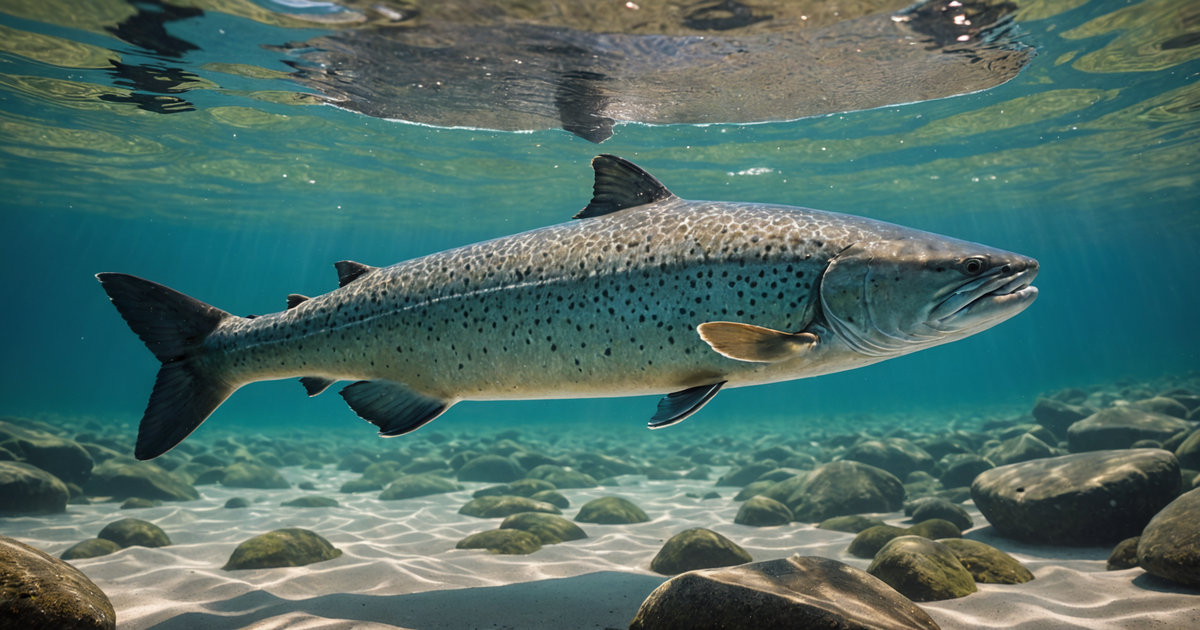
Introduction
The Pacific salmon is an iconic species that defines the aquatic life of Alaska, drawing anglers and nature enthusiasts alike to its pristine waters. The term “Pacific salmon” encompasses several species, each with its own unique characteristics and scientific name. Understanding these scientific names not only enriches our appreciation of these fascinating creatures but also underscores their ecological significance. This blog post will delve into the Pacific salmon scientific names and explore the diverse species found in Alaska’s waters. For more detail, see official guidance.
The Five Main Species of Pacific Salmon
Pacific salmon belong to the genus Oncorhynchus, a name derived from Greek meaning “hooked snout.” The species most commonly found in Alaska include the Chinook, Coho, Sockeye, Pink, and Chum salmon. For more detail, see further information.
Chinook Salmon (Oncorhynchus tshawytscha). For more detail, see detailed advice.
The Chinook salmon, also known as the king salmon, is renowned for its size and strength. As the largest species of Pacific salmon, Chinooks can weigh over 50 pounds. Their scientific name, Oncorhynchus tshawytscha, reflects their impressive stature and the indigenous peoples who first encountered them. The Chinook’s life cycle, which includes both freshwater and saltwater phases, is a testament to their adaptability and resilience. . For more detail, see planning resources.
Coho Salmon (Oncorhynchus kisutch). For more detail, see local insights.
The Coho salmon, or silver salmon, is celebrated for its fighting spirit, making it a favourite among sport fishermen. Its scientific name, Oncorhynchus kisutch, is believed to be derived from a Siberian term. Coho salmon are known for their vibrant red flesh and are a staple in both commercial and recreational fishing in Alaska. For anglers interested in pursuing Coho, understanding the best float fishing rigs for clear water can enhance the fishing experience.
Sockeye Salmon (Oncorhynchus nerka)
Sockeye salmon, also known as red salmon, are famed for their striking red colour during spawning. The name Oncorhynchus nerka is derived from the Russian word for red salmon. Sockeyes are crucial to the Alaskan ecosystem, supporting both wildlife and human communities. Their migratory patterns are a marvel of nature, travelling thousands of miles from the open ocean to their natal freshwater spawning grounds.
Pink Salmon (Oncorhynchus gorbuscha)
Pink salmon, or humpback salmon, are the most abundant species of Pacific salmon. Their scientific name, Oncorhynchus gorbuscha, comes from the Russian language, reflecting their widespread distribution. Pink salmon are smaller than other species, making them a significant part of the food web in the Pacific Ocean. Their remarkable two-year life cycle ensures a constant presence in Alaskan waters.
Chum Salmon (Oncorhynchus keta)
Chum salmon, also known as dog salmon due to their canine-like teeth, are known for their diverse habitat range. The scientific name Oncorhynchus keta is another nod to their Russian roots. Chum salmon support various subsistence, commercial, and recreational fisheries in Alaska, playing a vital role in local economies and cultures. For those interested in exploring more fishing techniques, understanding Chum salmon behaviour can be incredibly rewarding.
Conservation and Management
The sustainability of Pacific salmon populations is a critical concern for biologists and environmentalists. In Alaska, the Alaska Department of Fish and Game plays a pivotal role in managing these resources, implementing regulations to protect and sustain salmon stocks. Efforts include habitat restoration, regulating fishing seasons, and enforcing catch limits. These measures are essential to maintain the delicate balance of the ecosystem and ensure the long-term viability of salmon populations.
Alaska’s commitment to sustainable practices is evident in its policies, which are designed to preserve both the natural environment and the fishing industry’s economic benefits. Individuals can contribute to these efforts by adhering to fishing regulations and participating in conservation initiatives.
The Ecological and Cultural Significance of Pacific Salmon
Pacific salmon are more than just a species; they are integral to the cultural and ecological fabric of Alaska. Their annual migrations are a natural spectacle, supporting a wide array of wildlife from bears to eagles. Moreover, salmon hold cultural significance for Indigenous communities, who have relied on them for sustenance and cultural practices for generations.
Salmon also play a crucial role in nutrient cycling within ecosystems, transferring marine nutrients to freshwater environments when they spawn. This nutrient influx supports a diverse range of flora and fauna, highlighting the interconnectedness of marine and terrestrial ecosystems in Alaska.
Conclusion
The Pacific salmon scientific names offer a glimpse into the rich tapestry of life that flourishes in Alaska’s waters. Each species, with its unique characteristics and ecological role, contributes to the vibrant biodiversity of the region. Understanding and respecting these remarkable fish through sustainable practices ensures that future generations can continue to marvel at their beauty and significance.
For those planning a fishing adventure in Alaska, knowledge of the best time to catch halibut or exploring sustainable practices can further enhance the experience, ensuring a responsible and rewarding interaction with nature.
FAQ
What are the scientific names of the five main Pacific salmon species found in Alaska?
The five main Pacific salmon species and their scientific names are Chinook (Oncorhynchus tshawytscha), Coho (Oncorhynchus kisutch), Sockeye (Oncorhynchus nerka), Pink (Oncorhynchus gorbuscha), and Chum (Oncorhynchus keta).
Why are Pacific salmon important to Alaska’s ecosystem?
Pacific salmon are crucial for nutrient cycling, supporting a wide range of wildlife and plant species. Their migrations bring marine nutrients to freshwater environments, enriching the ecosystem.
How does Alaska manage its salmon populations?
Alaska manages its salmon populations through regulations enforced by the Alaska Department of Fish and Game. These include habitat restoration, fishing limits, and seasonal regulations to ensure sustainability.
What role do salmon play in Indigenous cultures?
Salmon are central to the cultural heritage of many Indigenous communities in Alaska. They are a vital food source and hold significant cultural and spiritual value.
How can I contribute to salmon conservation efforts?
You can contribute by following local fishing regulations, participating in conservation programmes, and supporting policies that promote sustainable fishing practices.
What is the best time to fish for Pacific salmon in Alaska?
The best time to fish for Pacific salmon in Alaska varies by species and location. However, the Alaska salmon season typically peaks during the summer months.
Are there any guides available for fishing techniques in Alaska?
Yes, several resources and guides are available that offer tips and techniques for fishing in Alaska. Exploring fishing charters or engaging with local experts can enhance your fishing experience.
What is the significance of the scientific name Oncorhynchus?
The genus name Oncorhynchus means “hooked snout,” reflecting a common characteristic among Pacific salmon species. It underscores their adaptation to diverse aquatic environments.