
Introduction
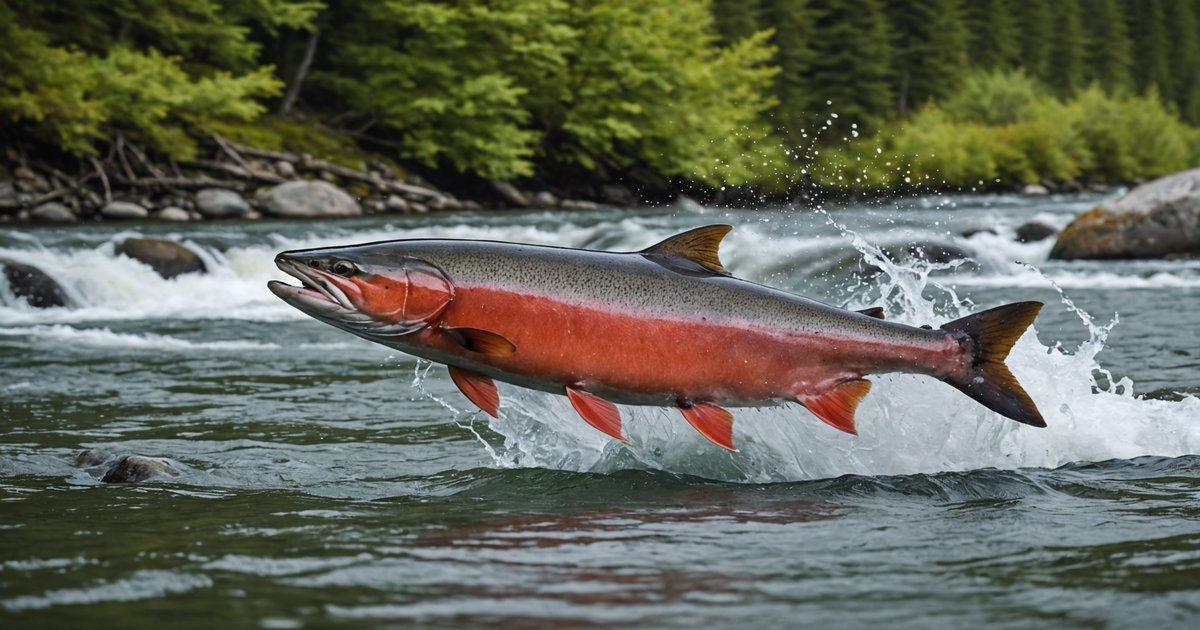
The Pacific salmon is an iconic fish species synonymous with the bountiful waters of Alaska. Anglers and wildlife enthusiasts flock to Alaska to experience the thrill of catching these magnificent creatures, each species offering its own unique challenge and reward. In this comprehensive guide, we’ll explore the different types of Pacific salmon that populate Alaska’s waters and provide insights into fishing them at peak season. For more detail, see official guidance.
Types of Pacific Salmon
Pacific salmon are a group of species belonging to the genus Oncorhynchus. There are five main types of Pacific salmon found in Alaska’s waters:. For more detail, see further information.
Chinook Salmon (Oncorhynchus tshawytscha). For more detail, see detailed advice.
Also known as King salmon, the Chinook is the largest of the Pacific salmon species. Known for its rich flavour and firm texture, Chinook salmon is a prized catch for both commercial and sport fishermen. These fish can weigh up to 45 kg (100 lbs), making them a formidable opponent for anglers. Their spawning season typically runs from May to July, with rivers like the Kenai and the Nushagak known for their large Chinook runs. For more detail, see planning resources.
Coho Salmon (Oncorhynchus kisutch). For more detail, see local insights.
Coho, or Silver salmon, are highly regarded for their fighting spirit. They are smaller than Chinook, typically weighing between 3 to 6 kg (6 to 13 lbs), but they make up for it with their acrobatics and tenacity. Coho salmon are most active from July to November. Anglers can find them in rivers such as the Kenai and the Kasilof, or in saltwater areas around Homer and Seward.
Sockeye Salmon (Oncorhynchus nerka)
Sockeye salmon, also known as Red salmon, are celebrated for their deep red flesh, which is considered a delicacy. They are smaller, averaging 2 to 3 kg (4 to 7 lbs), but are known for their large-scale runs. Sockeye salmon primarily spawn in July and August, with the Bristol Bay watershed being one of the most productive areas for sockeye fishing in the world.
Pink Salmon (Oncorhynchus gorbuscha)
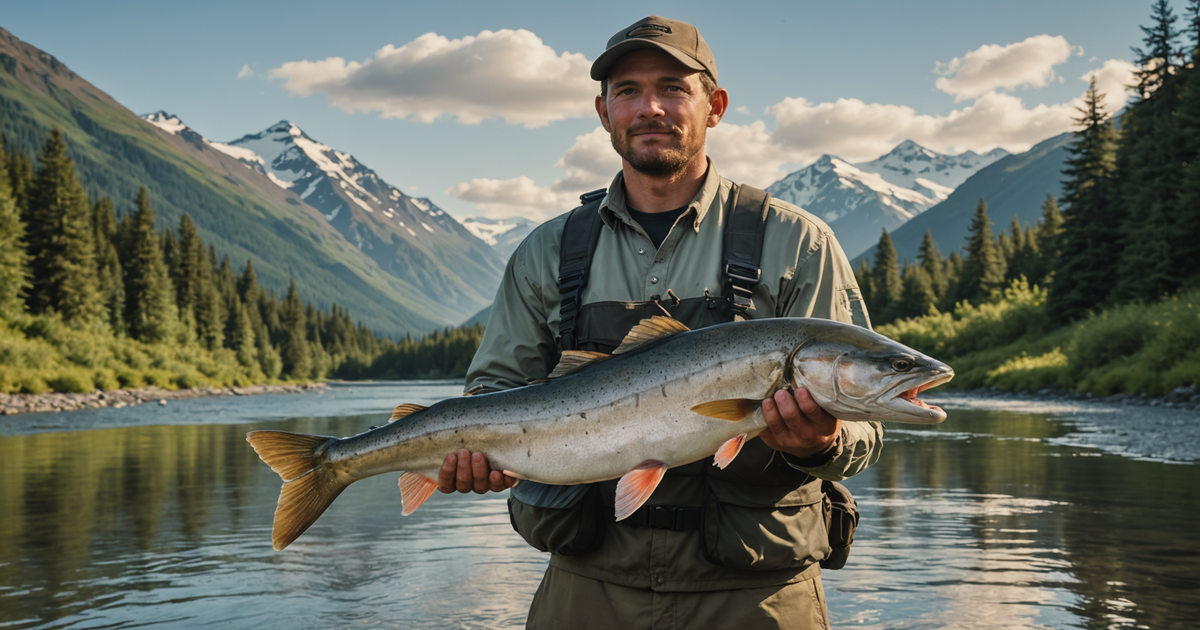
Pink salmon, or Humpies, are the most abundant but smallest of the Pacific salmon species, weighing around 1 to 2.5 kg (2 to 5 lbs). They are easily identified by the distinct hump that male fish develop during spawning. Pink salmon have a two-year lifecycle, with even-numbered years often seeing larger runs. They spawn in late July to September, with Prince William Sound and the Southeast Alaska region being hotspots for pink salmon fishing.
Chum Salmon (Oncorhynchus keta)
Chum salmon, also known as Dog salmon due to their canine-like teeth, are often overlooked but offer excellent sport fishing opportunities. They typically weigh between 4 to 6 kg (9 to 13 lbs) and spawn from June to September. Chum salmon are prevalent in the Yukon and Kuskokwim River systems. Their roe is highly prized for caviar production.
Fishing Techniques and Timing
The timing of salmon runs varies by species and location, making it crucial for anglers to plan their trips accordingly. For detailed guidance on how to fish Brad’s Super Baits for salmon, anglers can explore specialised techniques that enhance their fishing success.
Each type of salmon responds to different bait and tackle. For example, Chinook are often caught using large plugs or herring, while Coho may be more responsive to spinners and spoons. For those interested in float fishing, learning about the best float fishing rigs for clear water can be invaluable.
Conclusion
Understanding the diverse types of Pacific salmon and their unique characteristics can greatly enhance your fishing experience in Alaska. From the mighty Chinook to the plentiful Pink salmon, each species offers its own set of challenges and rewards. Whether you’re a seasoned angler or a novice, Alaska’s waters provide a perfect backdrop for an unforgettable fishing adventure.
For those planning a trip, consider exploring Alaskan cuisine to savour your catch in traditional and innovative ways. Ensure you are familiar with Alaska’s fishing regulations to make your fishing adventure both enjoyable and sustainable.
FAQ
What is the best time to fish for Pacific salmon in Alaska?
The optimal time varies by species. Chinook salmon are best fished from May to July, while Coho are active from July to November. Sockeye runs peak in July and August, whereas Pink and Chum salmon are best targeted from July through September.
Where are the best locations to fish for Chinook salmon in Alaska?
The Kenai and Nushagak rivers are renowned for their large Chinook salmon runs. These locations offer excellent opportunities for anglers to catch trophy-sized fish.
What fishing gear is recommended for catching Coho salmon?
Coho salmon respond well to spinners and spoons. For more specific gear recommendations, check out our fishing gear category.
Are there guided fishing tours available in Alaska?
Yes, there are numerous fishing charters available across Alaska that cater to both novice and experienced anglers, offering guided tours and expert advice.
How important is it to follow fishing regulations in Alaska?
It is crucial to adhere to Alaska’s fishing regulations to ensure the sustainability of fish populations and the preservation of natural habitats.
Can I book a fishing trip online?
Yes, many services allow you to plan your fishing trip online, offering comprehensive packages that include lodging, gear rental, and guide services.
What is the significance of Sockeye salmon in Alaska?
Sockeye salmon are vital both economically and ecologically. They support commercial fisheries and are a key species in the food chain. Their vibrant red flesh is highly sought after in culinary circles.
Is it possible to catch multiple types of salmon in one trip?
Absolutely, depending on the timing and location, it is possible to catch different salmon species in a single fishing expedition. This diversity is part of what makes fishing in Alaska such a unique experience.