
Introduction
Embarking on a fishing adventure in Alaska is a dream for many anglers, offering an opportunity to catch some of the most prized fish in the world. Among these, Pacific salmon hold a special place, known for their fighting spirit and culinary value. Understanding the different Pacific salmon types is crucial for any fishing enthusiast aiming to navigate the rich and diverse waters of Alaska. This comprehensive guide will delve into the five species of Pacific salmon, providing insights into their characteristics, habitats, and the best times and methods to catch them. With the help of experienced local guides, you can maximise your chances of landing a trophy fish while enjoying the breathtaking Alaskan wilderness. For more detail, see official guidance.
The Five Pacific Salmon Species
Chinook Salmon (Oncorhynchus tshawytscha). For more detail, see further information.
Commonly known as the “king salmon,” the Chinook is the largest of the Pacific salmon species. Renowned for its size and rich flavour, this salmon is a coveted catch among anglers. Chinook salmon can weigh over 30 pounds, with some exceptional specimens reaching up to 100 pounds. They are identifiable by their blue-green back, silver sides, and black spots on their tail. For more detail, see detailed advice.
Chinook salmon migrate from the Pacific Ocean to the freshwaters of Alaska between May and July, making this the prime time for fishing. Anglers often use high-spin salmon spinners to attract these formidable fish, which are known for their powerful runs and acrobatic leaps. For more detail, see planning resources.
Coho Salmon (Oncorhynchus kisutch). For more detail, see local insights.
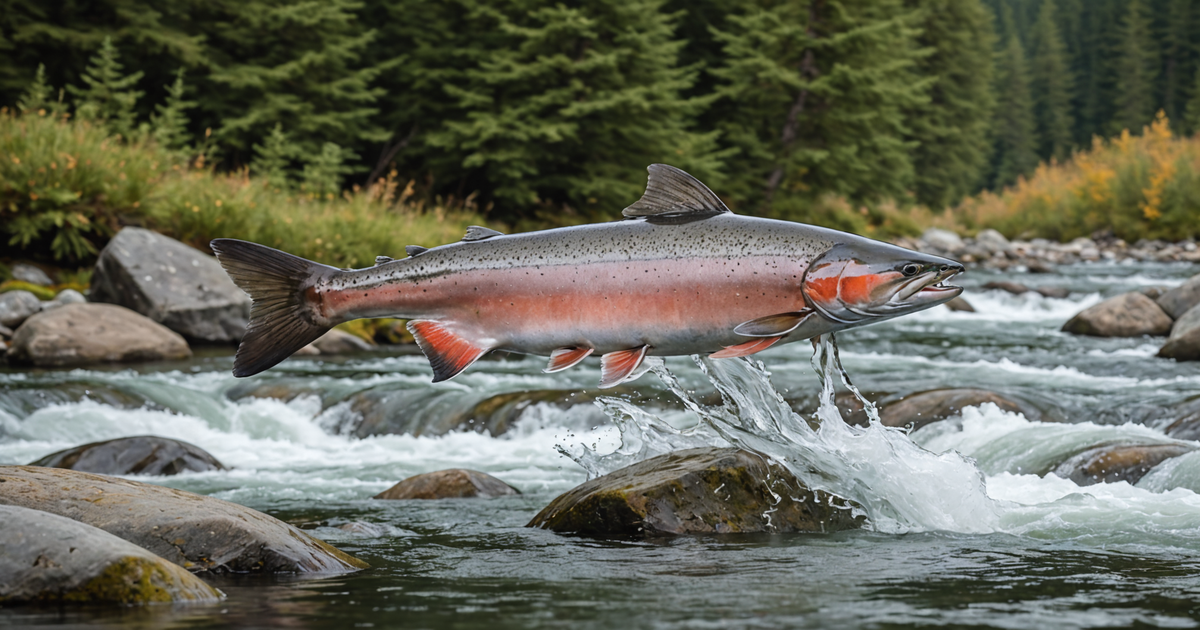
The Coho salmon, or “silver salmon,” is another popular species among anglers. Slightly smaller than the Chinook, Coho salmon typically weigh between 8 and 12 pounds. They are distinguished by their bright silver sides and darker back, turning a brilliant red during spawning.
Fishing for Coho salmon is most productive from mid-July to September. These fish are aggressive and known for their aerial displays when hooked, providing an exhilarating experience for fishermen. Using plug fishing lures can be particularly effective in attracting Coho salmon in Alaska’s rivers and streams.
Sockeye Salmon (Oncorhynchus nerka)
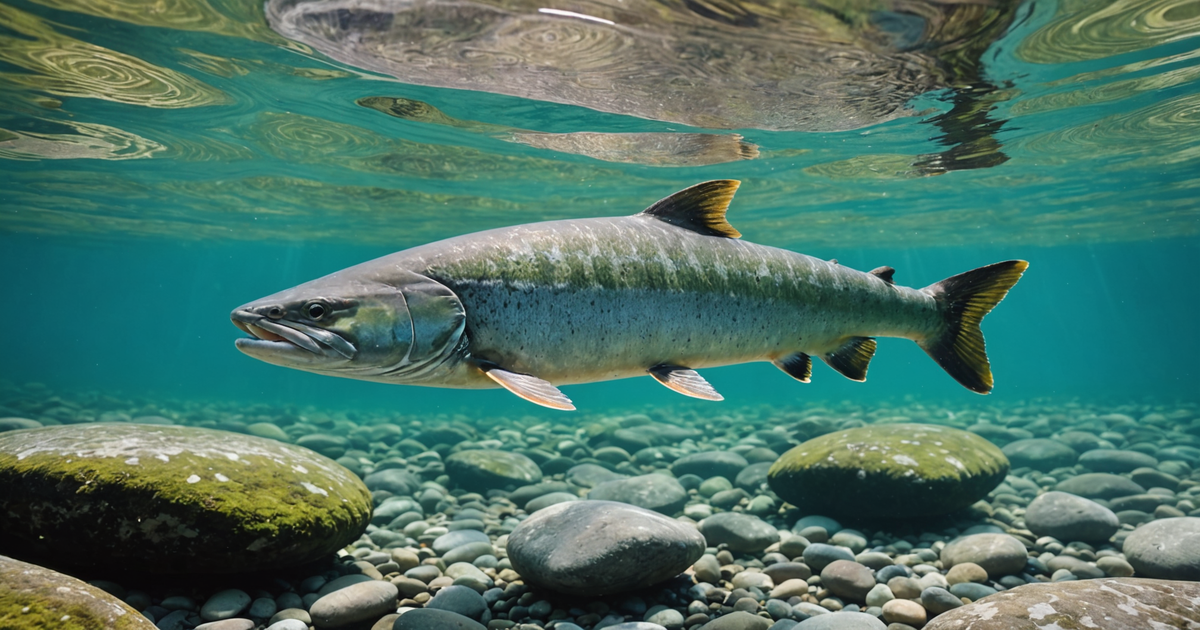
Sockeye salmon, also known as “red salmon,” are celebrated for their vibrant red flesh, which is highly prized for culinary purposes. These medium-sized fish usually weigh between 5 and 8 pounds and are known for their unique spawning behaviour, often travelling hundreds of miles upstream.
The best time to catch Sockeye salmon is from June to August. Anglers targeting them should be aware of their preference for plankton, which makes them less likely to bite traditional lures. Flies mimicking plankton or small crustaceans are often used to entice Sockeye salmon, especially in clear waters.
Pink Salmon (Oncorhynchus gorbuscha)
Pink salmon, or “humpies,” are the smallest of the Pacific salmon, averaging around 3 to 5 pounds. Despite their size, they are abundant, especially in even-numbered years when they return in massive numbers to spawn.
These salmon are easily identified by the distinct hump that males develop during the spawning season. Pink salmon are typically targeted from mid-July to late September, and they are known for being less choosy, often biting a variety of lures and flies.
Chum Salmon (Oncorhynchus keta)
Known as “dog salmon,” Chum salmon are the second largest of the Pacific salmon species, with some individuals reaching weights of over 20 pounds. They are characterised by their calico-like markings and sharp teeth during the spawning phase.
Chum salmon are best fished from July through September. While not as popular for their taste, these salmon are known for their spirited fight, making them a rewarding catch for sport fishermen.
Fishing Techniques and Equipment
Fishing for Pacific salmon in Alaska requires not only knowledge of the species but also the right equipment and techniques. Spinners, flies, and plugs are commonly used, each tailored to the salmon species and the conditions of the fishing location. Anglers often customise their gear with fish decals to add a personal touch.
For those new to Alaska’s fishing scene, hiring a professional guide can greatly enhance the experience. Guided trips offer valuable local insights into the best spots and times to fish, as well as expert advice on the necessary equipment and techniques. This can be particularly beneficial when fishing larger rivers or remote locations where local knowledge is paramount.
Regulations and Sustainability
Fishing in Alaska is subject to strict regulations to ensure the sustainability of fish populations and the environment. It’s crucial to stay informed about the latest fishing regulations and guidelines, such as catch limits and seasonal restrictions, which vary by region and species. Adhering to these rules not only protects the ecosystem but also ensures a fair and enjoyable experience for all anglers.
Conclusion
Fishing for Pacific salmon in Alaska is more than just a pastime; it’s an adventure that connects you with nature and the rich biodiversity of the region. Understanding the different types of Pacific salmon and the best methods to catch them is essential for a successful and responsible fishing trip. Whether you’re pursuing the mighty Chinook or the spirited Coho, Alaska offers unparalleled opportunities to experience the thrill of salmon fishing in one of the world’s most stunning settings.
For those eager to explore the wonders of Alaskan fishing, consider booking a guided salmon fishing trip to enhance your adventure and ensure a memorable experience.
FAQ
1. What are the five types of Pacific salmon found in Alaska?
The five types of Pacific salmon in Alaska are Chinook, Coho, Sockeye, Pink, and Chum salmon.
2. When is the best time to fish for Chinook salmon in Alaska?
The prime time for fishing Chinook salmon is between May and July when they migrate to freshwater rivers.
3. How can I identify Sockeye salmon?
Sockeye salmon are known for their vibrant red flesh and bright silver skin, turning a deep red during spawning.
4. Do I need a fishing licence to fish in Alaska?
Yes, a fishing licence is required for all anglers in Alaska. You can find information on obtaining a licence through the Alaska Department of Fish and Game.
5. What fishing techniques are effective for Coho salmon?
Coho salmon are often caught using spinners and plug fishing lures.
6. Are there specific regulations for salmon fishing in Alaska?
Yes, salmon fishing in Alaska is subject to specific regulations, including catch limits and seasonal restrictions. Check the Alaska Department of Fish and Game’s website for the latest information.
7. Can I customise my fishing gear for salmon fishing?
Absolutely. Many anglers use fish decals to personalise their gear.
8. Why is hiring a local fishing guide recommended?
Hiring a local guide can provide valuable insights into the best fishing spots, techniques, and equipment to use, enhancing your overall fishing experience in Alaska.