
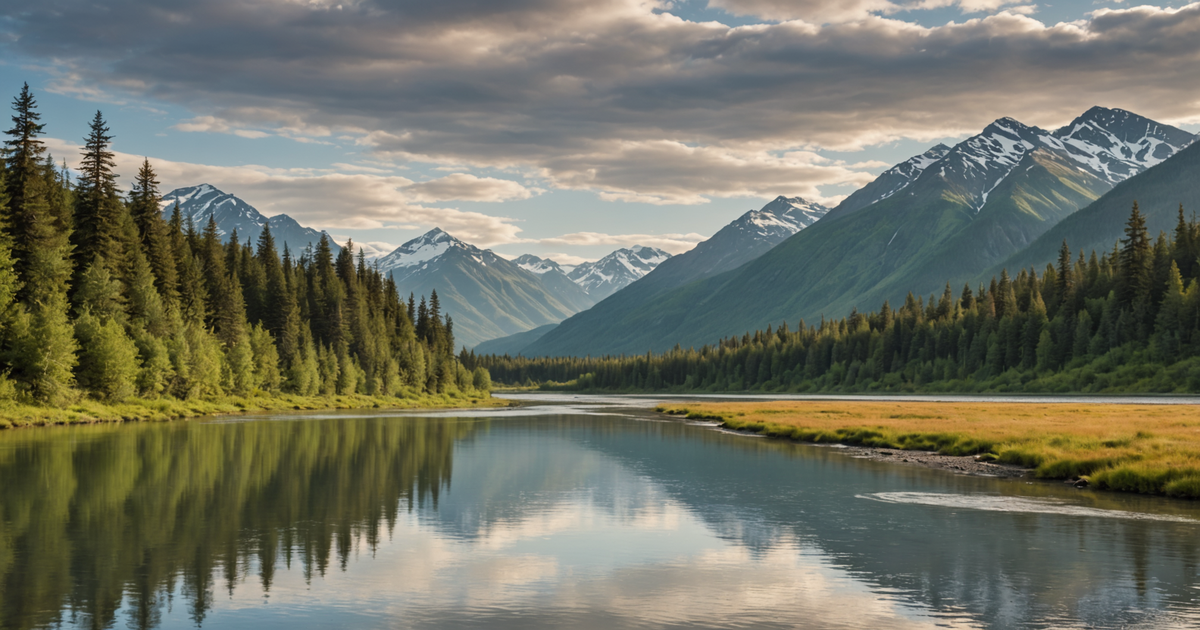
Pacific Salmon Varieties | Fish Alaska. For more detail, see official guidance.
Introduction
The Pacific Ocean is home to a plethora of marine life, with salmon being one of its most iconic inhabitants. Among the salmon species, the Pacific varieties are particularly renowned, especially in Alaska. Known for their diverse characteristics and ecological significance, these salmon play a crucial role in both the ecosystem and the fishing industry. In this guide, we delve into the different Pacific salmon varieties, focusing on their unique features and the best fishing practices in Alaska. For more detail, see further information.
King Salmon (Chinook)
The King Salmon, or Chinook, is the largest of the Pacific salmon varieties. Distinguished by their deep blue-green backs and silvery sides, they are a prized catch for both commercial and recreational fishermen. King Salmon are celebrated for their rich taste and high fat content, making them a culinary delight. For more detail, see detailed advice.
Habitat and Lifecycle. For more detail, see planning resources.
King Salmon are anadromous, migrating from the ocean to freshwater rivers to spawn. The Alaska Department of Fish and Game regulates fishing to ensure sustainable populations, given their importance to both humans and wildlife. For more detail, see local insights.
Fishing Tips
Catching King Salmon requires skill and patience. Anglers often use large jigs and baitfish imitations. For a comprehensive understanding of fish jig head sizes and setups, visit our detailed guide.
Sockeye Salmon (Red)
Known for their striking red bodies during spawning, Sockeye Salmon are smaller than King Salmon but equally important. They are valued for their firm, rich flesh, ideal for grilling and smoking.
Migration and Diet
Sockeye Salmon primarily feed on zooplankton and are known for their long migrations. They can travel hundreds of miles upstream to spawn. These journeys are a testament to their endurance and are a key focus of sustainable fishing practices.
Popular Fishing Locations
In Alaska, Bristol Bay is a renowned spot for Sockeye fishing. The area supports one of the largest Sockeye runs in the world, drawing anglers from across the globe.
Coho Salmon (Silver)
Coho Salmon, or Silver Salmon, are known for their aggressive behaviour and acrobatic displays when hooked. These features make them a favourite among sport fishermen.
Characteristics and Habitat
Typically weighing between 8 and 12 pounds, Coho Salmon are identifiable by their silver sides and dark blue backs. They prefer coastal streams and rivers with abundant cover, making them a staple of recreational fishing activities.
Effective Fishing Techniques
For best results, anglers often use spinners and spoons. Fly fishing for Coho can also be rewarding, as they readily take to various fly patterns.
Pink Salmon (Humpy)
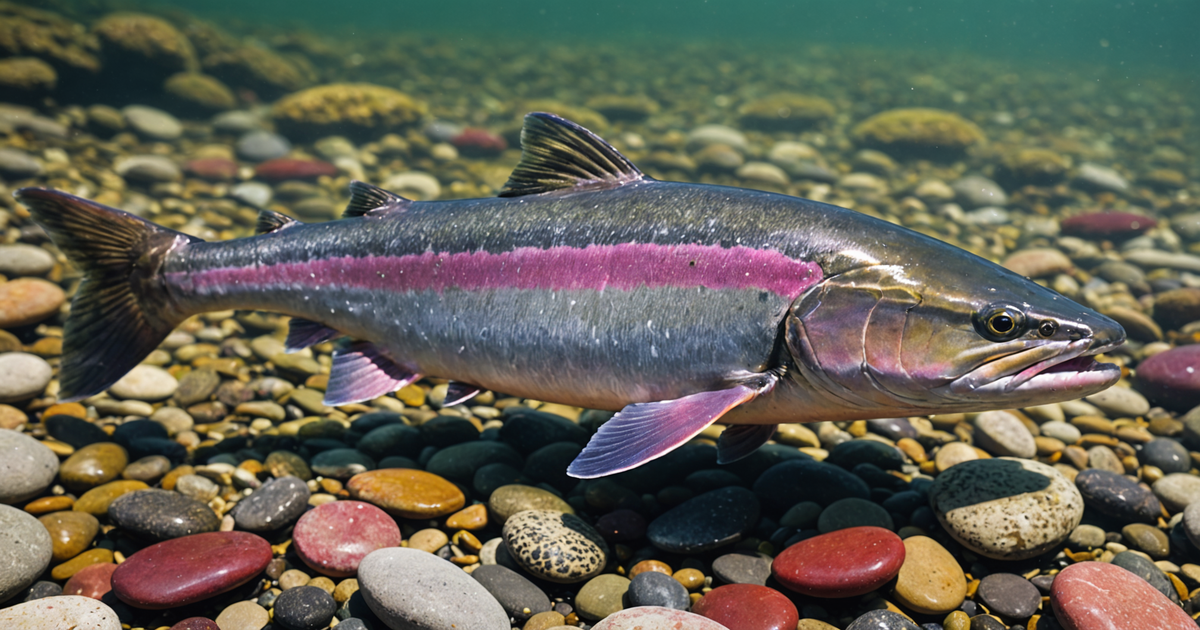
Pink Salmon, or Humpies, are the smallest and most abundant of the Pacific salmon varieties. They are named for the distinctive hump that males develop during spawning.
Spawning and Lifecycle
Pink Salmon have a relatively short lifecycle of two years, spawning in freshwater and maturing quickly in the ocean. Due to their abundance, they are a vital part of the Alaskan fishing ecosystem.
Fishing Essentials
Fishing for Pink Salmon is an excellent introduction for beginners, as they are plentiful and often found in large schools. Light tackle and small lures are typically effective.
Chum Salmon (Dog)
Chum Salmon, also known as Dog Salmon, are often overshadowed by their more glamorous relatives. However, they play an important role in the ecosystem and offer a unique fishing experience.
Identification and Diet
Chum are identifiable by their calico bands of green and purple during spawning. They primarily feed on plankton and small fish, contributing to the intricate food web of the Pacific.
Fishing Recommendations
Often found in estuaries and lower river areas, Chum Salmon require different techniques. Anglers typically use bait and lures that mimic their natural prey.
Conclusion
The diverse species of Pacific salmon in Alaska offer a variety of challenges and rewards for anglers of all levels. Understanding each species’ unique characteristics and preferred habitats can greatly enhance your fishing experience. Whether you’re targeting the mighty King or the plentiful Pink, Alaska is a premier destination for those seeking the thrill of the catch.
For further exploration of Alaska’s outdoor offerings, consider taking a guided hiking tour or venturing into other fishing opportunities.
FAQ
What is the best time to fish for Pacific salmon in Alaska?
The best time varies by species. King Salmon are typically fished from late May to early July, while Sockeye runs peak in late June through July. Coho are best caught from late July to September.
What equipment do I need for salmon fishing in Alaska?
Basic equipment includes a robust fishing rod, appropriate line, and lures or bait tailored to the salmon species. For more specialised gear, check our guide on fishing gear essentials.
Are there regulations I should be aware of when fishing in Alaska?
Yes, fishing regulations in Alaska are enforced to protect fish populations and habitats. You can find detailed information on regulations and permits on the Alaska Department of Fish and Game’s website.
Can beginners try salmon fishing in Alaska?
Absolutely, Pink Salmon are particularly suitable for beginners due to their abundance and accessibility. There are many guided fishing tours available for novices.
What is the difference between Pacific and Atlantic salmon?
Pacific salmon are native to the Pacific Ocean and include species like King, Sockeye, and Coho. Atlantic salmon are primarily found in the Atlantic Ocean and are less diverse in species.
How does climate change affect Pacific salmon?
Climate change impacts salmon migration patterns, spawning success, and food availability. It’s crucial to support sustainable practices to mitigate these effects.
Is salmon fishing in Alaska expensive?
Costs can vary depending on the type of trip and equipment needed. However, there are options to fit most budgets, from DIY fishing trips to luxury guided tours.
Where can I learn more about Alaska’s salmon species?
For comprehensive resources, the Alaska Department of Fish and Game and Fish Alaska Magazine offer extensive information on salmon species and fishing tips.