
Introduction
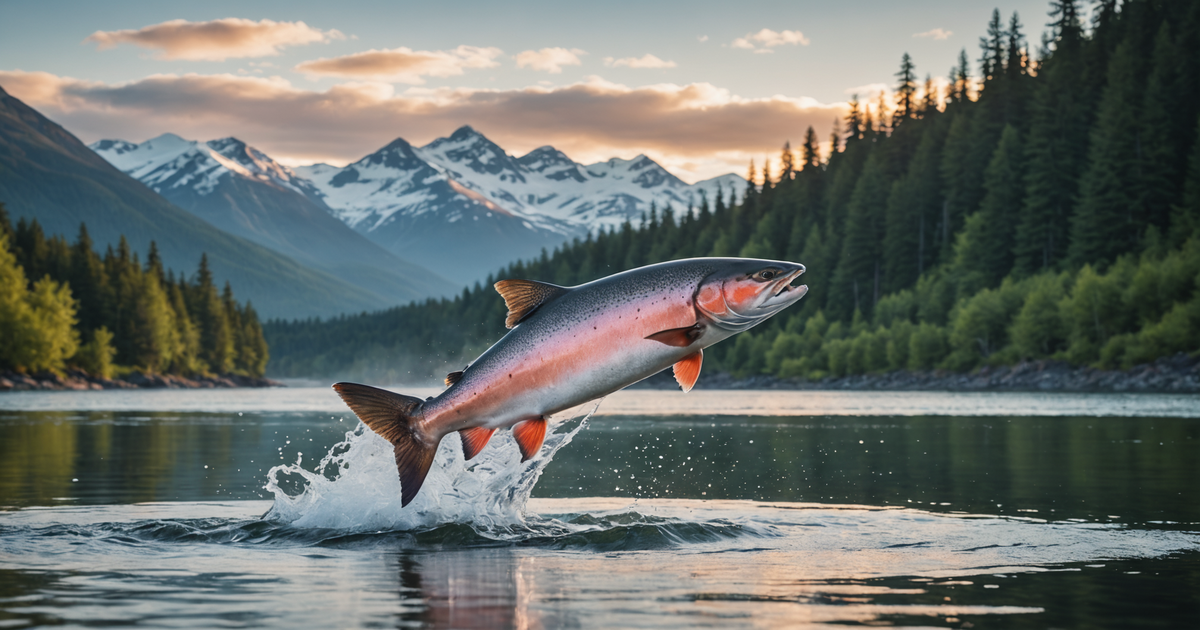
When one thinks of Alaska, images of vast wilderness, towering mountains, and pristine rivers often come to mind. But among these natural wonders, the Pacific salmon stands out as an emblem of the region’s rich biodiversity and cultural heritage. Fishing enthusiasts and nature lovers alike flock to Alaska to experience the thrill of catching these remarkable fish. This article delves into the various Pacific salmon varieties that inhabit Alaska’s waters, offering insights into their unique characteristics and habitats. Whether you’re planning a fishing trip or simply wish to learn more about these magnificent creatures, read on to explore the diversity of Pacific salmon in Alaska. For more detail, see official guidance.
Pacific Salmon Varieties
Alaska is home to five main species of Pacific salmon: Chinook (King), Coho (Silver), Sockeye (Red), Pink (Humpy), and Chum (Dog). Each species has distinct features, life cycles, and preferred habitats, contributing to the rich tapestry of Alaska’s aquatic ecosystems. For more detail, see further information.
Chinook Salmon. For more detail, see detailed advice.
The Chinook salmon, often referred to as the King salmon, is the largest of the Pacific salmon varieties. Known for their impressive size and strength, Chinook are a prized catch for anglers. They can weigh over 100 pounds, although the average size is between 20 and 30 pounds. Their rich, red flesh is highly sought after for its flavour and nutritional value. For more detail, see planning resources.
Chinook salmon are typically found in larger river systems and are known to migrate vast distances during their life cycle. This species spawns in late spring to early summer, with juvenile salmon spending up to two years in freshwater before heading to the ocean. For more detail, see local insights.
Coho Salmon
Coho salmon, or Silver salmon, are renowned for their acrobatic prowess and fighting spirit, making them a favourite among sport fishers. Coho salmon usually weigh between 8 and 12 pounds, although larger specimens can be found.
These fish prefer smaller streams and rivers for spawning and are typically found in coastal areas. They return to freshwater in late summer to fall, with a spawning period extending into early winter. Coho salmon’s bright red flesh is highly prized for its taste and culinary versatility.
Sockeye Salmon
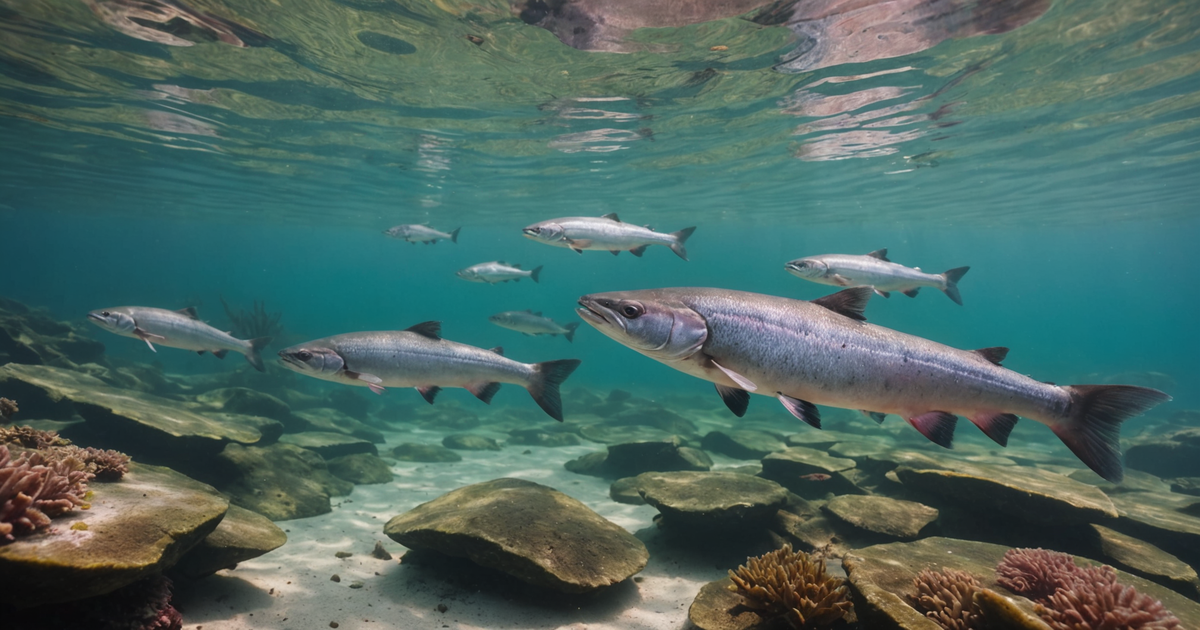
Sockeye salmon, known for their striking red bodies during spawning season, are also called Red salmon. They are smaller than Chinook and Coho, averaging around 5 to 7 pounds. Despite their size, they are an essential part of Alaska’s fishing industry due to their abundance and delectable flavour.
Unlike other salmon, Sockeye are heavily reliant on lakes for their early life stages. They spawn in rivers connected to lakes, where their young spend one to three years before migrating to the ocean. Sockeye are known for their long migrations and return to freshwater from late spring to early summer.
Pink Salmon
Pink salmon, or Humpy salmon, are the smallest and most abundant of the Pacific salmon varieties. They average 3 to 5 pounds and are easily recognisable by the pronounced hump males develop during spawning season.
These salmon have a relatively short life cycle, typically two years, which contributes to their abundance. Pink salmon spawn in late summer, and their young head to the ocean soon after hatching, spending about 18 months at sea before returning to their natal streams.
Chum Salmon
Chum salmon, also known as Dog salmon, are noted for their distinctive calico pattern during spawning. They are similar in size to Coho salmon, generally weighing between 10 and 15 pounds.
Chum salmon are highly adaptable, spawning in a variety of freshwater habitats, from large rivers to small streams. They return to freshwater in late summer and fall, spawning in a wide range of locations across Alaska. While not as popular for sport fishing, Chum salmon play a crucial role in the ecosystem and local economies.
Conservation and Fishing in Alaska
Alaska’s commitment to sustainable fishing practices ensures that its salmon populations remain robust and healthy. The Alaska Department of Fish and Game oversees regulations to manage fishing pressures and preserve these vital resources. For those planning a fishing trip, it’s essential to familiarise oneself with sport fishing regulations to ensure compliance and conservation.
For anglers seeking guided fishing experiences, Alaska offers numerous guided fishing tours that provide expertise and local knowledge, enhancing the fishing adventure. These tours are an excellent way to explore the diverse fishing opportunities in the Anchorage area and beyond.
Conclusion
The Pacific salmon varieties in Alaska offer not only a thrilling fishing experience but also an opportunity to connect with the natural beauty and ecological richness of the region. From the mighty Chinook to the plentiful Pink salmon, each species contributes uniquely to the ecosystem and cultural heritage of Alaska. Whether you’re an experienced angler or a curious observer, the world of Pacific salmon in Alaska promises an unforgettable adventure.
FAQ
What is the best time to fish for Pacific salmon in Alaska?
The ideal fishing season varies by species, with Chinook fishing peaking in late spring and early summer, while Coho and Chum are best caught in late summer to early winter. It’s advisable to consult local fishing charters for specific timing.
How can I differentiate between the Pacific salmon varieties?
Each species has distinct characteristics: Chinook are the largest, Coho are known for their fighting spirit, Sockeye have bright red bodies during spawning, Pink salmon are small with a pronounced hump, and Chum have a calico pattern during spawning.
Are there any specific regulations for salmon fishing in Alaska?
Yes, Alaska has specific sport fishing regulations to ensure sustainable practices. Anglers should review these regulations before fishing to understand catch limits, licensing requirements, and protected areas.
Can I go salmon fishing without a guide in Alaska?
While it’s possible to fish independently, hiring a local guide can enhance your experience with expert knowledge and insight into the best fishing spots.
What gear is recommended for salmon fishing in Alaska?
The recommended gear varies by species and fishing method. For detailed setups, you can refer to resources on fishing gear and techniques tailored to Alaska’s conditions.
Where can I learn more about salmon fishing techniques?
There are many resources available, including articles on how to fish with specific baits and tips from seasoned anglers to improve your skills.
What measures are in place to protect Alaskan salmon populations?
Alaska implements strict conservation measures, including habitat protection, regulated fishing seasons, and careful monitoring of fish populations, as outlined by the NOAA Fisheries.
How do Pacific salmon contribute to Alaska’s ecosystem?
Salmon play a crucial role in nutrient cycling, supporting a wide range of wildlife and plant species. Their spawning migrations bring essential nutrients from the ocean to freshwater ecosystems, underscoring their ecological importance.